What Does It Cost to Make Raw Land Buildable in Eastern North Carolina?
By Carroll Harrod · Salt & Soil Realty Group

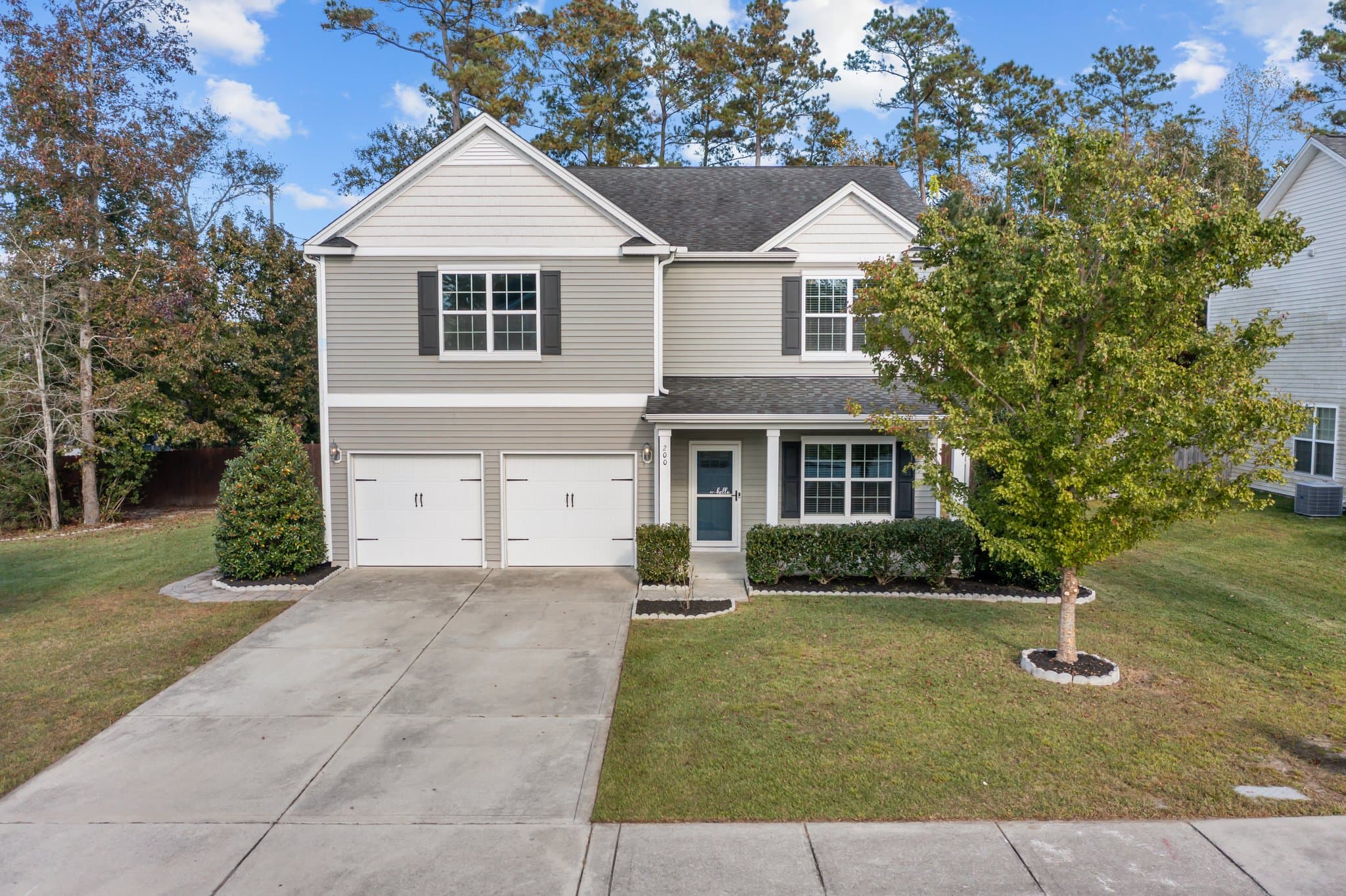
A cleared homesite with good road access, an active septic permit, and power close to the proposed house is one kind of project. A wooded tract that needs a driveway, grading, a well, septic, and a long electrical run is another. Land that requires permitted wetland impacts and mitigation belongs in a completely different cost category. That is why price per acre can be misleading. Buyers need to compare the cost of the land after it is ready for the intended use. For the larger due-diligence process, start with Buying Land in Eastern North Carolina: What to Check Before You Make an Offer. Scenario 1: A Mostly Build-Ready Homesite Picture a parcel with: Public-road frontage An existing driveway entrance Salt & Soil Realty Group is a real estate brokerage, not a surveyor, engineer, septic installer, or environmental consultant. This post is educational; confirm land, wetland, septic, and access questions with licensed professionals before closing. See **buying land with septic, **usable vs total acreage, and what is NRCS for NC landowners. Carroll Harrod with Salt & Soil Realty Group helps buyers of land and rural property in **Jacksonville, NC**, Onslow County, and Coastal North Carolina—including septic, wetlands, and access due diligence. ---
A cleared and reasonably level homesite
A current septic permit
Public water or a well already in place
Power on the same side of the road with a short run to the house
This is the kind of property where the remaining site work may stay in the low thousands or low five figures, depending on what still needs to be completed. The buyer may only need a survey update, minor driveway work, utility connection charges, permit fees, final grading, or small changes to the site layout. Even here, “build-ready” should be verified rather than assumed. A septic permit needs to match the intended bedroom count. The driveway must work for construction traffic. The power provider still needs to confirm the meter location and any contribution toward construction. Jones-Onslow EMC explains that a contribution toward construction may be required for new service, with the amount based partly on the distance from the power source to the meter and whether the service will be overhead or underground. (Jones-Onslow EMC) Still, a parcel with these pieces already in place can save a buyer considerable time and money. Paying more for it may be reasonable because much of the site risk has already been removed.
Scenario 2: A Typical Raw Rural Tract
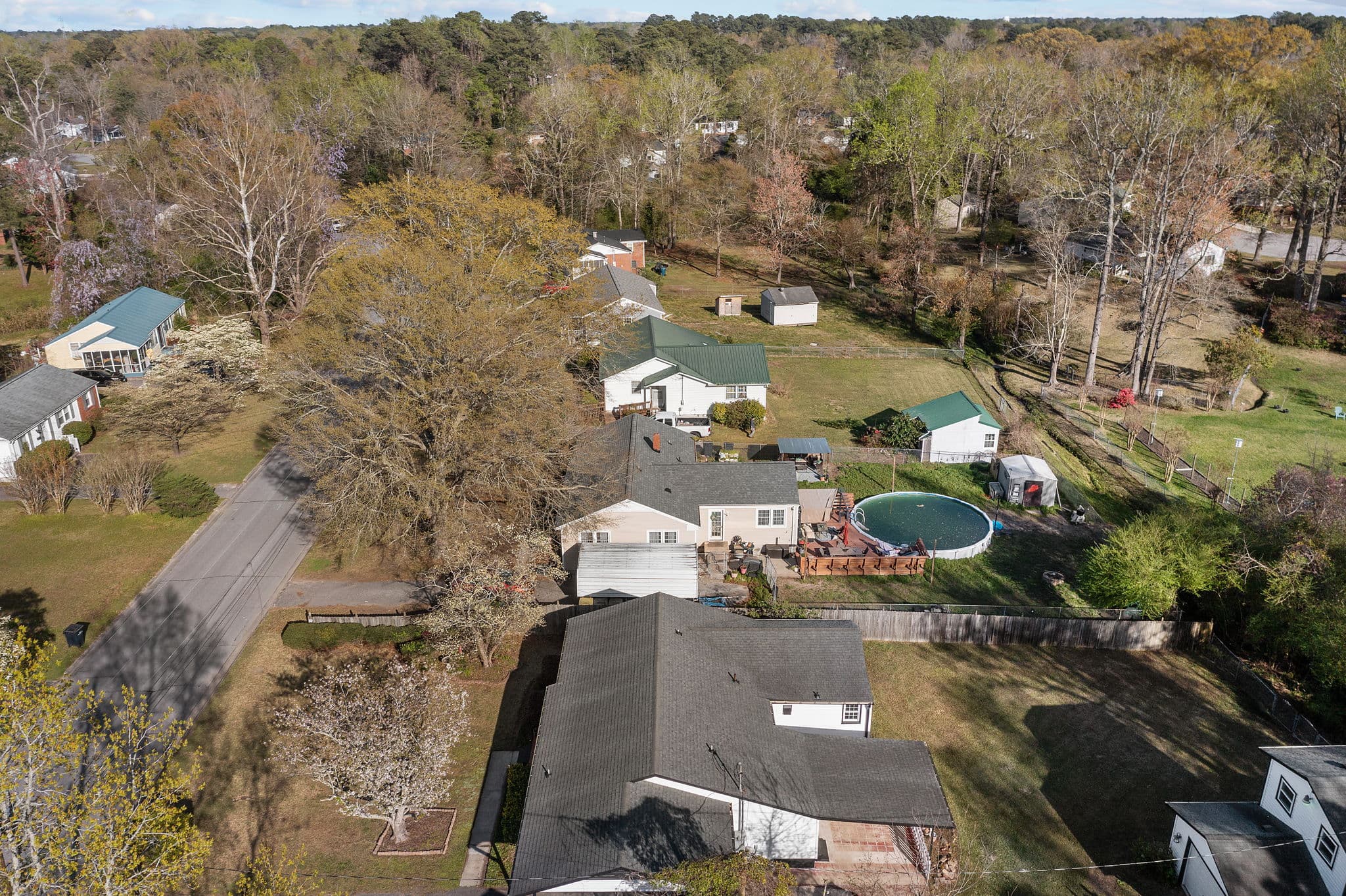
Now picture five or ten wooded acres with road frontage but no established homesite. The buyer wants to clear roughly an acre for the house and yard, build a driveway, install septic and a well, and extend power several hundred feet. A rough site budget might include:
- Clearing and stump removal
- Grading the house and yard area
- Driveway and culvert construction
- Soil evaluation and septic installation
- Well drilling and equipment
- Power extension
- Surveying and permits
- Drainage work
A contingency for conditions found during construction
Current Eastern North Carolina clearing estimates can range from roughly $2,500 to $15,000 or more per acre, depending on tree density, stump removal, debris handling, access, and the finish required. That is clearing alone, not the entire homesite. (DC Tree Cutting and Land Service) A conventional septic system may cost several thousand dollars. Systems required for difficult soil or high-groundwater conditions can reach $20,000 or considerably more, depending on the approved design. Current North Carolina cost guidance shows a broad range from approximately $3,000 for simpler systems to more than $70,000 for certain specialized designs. (Septic & Well Pro) A completed private well may add another $4,000 to $18,000, depending on depth, drilling conditions, pump equipment, trenching, and the connection to the house. (Septic & Well Pro) Once the driveway, clearing, grading, septic, well, and power are combined, it is easy for a raw homesite to require $25,000 to $75,000 or more before the foundation begins. That is an illustrative range, not a local quote. A straightforward site may cost less, while difficult access, specialized septic, extensive drainage, or long utility runs can push the total substantially higher. This is where a cheaper parcel can stop being the cheaper project. Our related guides explain how to evaluate septic and soil, legal access and easements, and water, power, and internet on rural land before those costs are locked in.
Scenario 3: Land That Requires Wetland Impacts
The most expensive situation is not simply land that contains wetlands. A parcel can have wetlands and still offer enough usable upland for the house, driveway, septic system, and outbuildings. In that case, the buyer may be able to design around the regulated areas. The expensive situation is when the project depends on filling, crossing, draining, or otherwise affecting wetlands or regulated waters—and the agencies require permits and compensatory mitigation. The U.S. Army Corps of Engineers first looks for ways to avoid or minimize impacts. When unavoidable impacts are authorized, the Corps may require mitigation credits to offset the loss of aquatic resources. (Sawbones) The cost can escalate quickly. North Carolina DEQ’s published rates effective July 1, 2026 list:
- Freshwater wetland mitigation: $98,105.66 per credit Coastal wetland mitigation: $795,168.94 per credit (NC Department of Environmental Quality) The number of credits is not automatically equal to the acreage disturbed. The Corps has historically used a two-to-one ratio as a common starting point for some wetland impacts, but the final requirement can be adjusted based on the resource and project. (Sawbones) For illustration, if a permitted half-acre freshwater wetland impact required one full mitigation credit, the mitigation payment alone would be about $98,000 under the July 2026 state rate. That would be before delineation, engineering, permit applications, construction, fill, drainage, or road work. A coastal wetland impact can reach the hundreds of thousands of dollars even when the affected area is relatively small. Credit availability and the applicable service area can also affect how mitigation is handled. This is not a normal expense for every rural homesite. Most individual buyers should first ask whether the project can be redesigned to avoid the wetland impact entirely. Moving the house, shortening the driveway, changing the entrance, or choosing another part of the parcel may save an extraordinary amount of money. Salt & Soil’s guide to wetlands in Coastal North Carolina explains how mapped wetlands, professional determinations, usable upland, and proposed improvements fit together.
Use Ranges to Compare Properties, Not Predict a Final Bill
Early numbers are useful, but they should be used to compare scenarios. For example:
- Parcel condition
- Illustrative site-cost scale
- Cleared homesite, permitted septic, short utility runs
- A few thousand to the low five figures
- Wooded raw tract needing access, utilities, septic, and a well
- Often tens of thousands
- Difficult soil, extensive drainage, or specialized septic
- Tens of thousands more
- Permitted wetland impacts requiring mitigation
Potentially $100,000 to several hundred thousand or more
These are planning examples, not quotes. The actual cost depends on the parcel, house location, contractors, utility providers, approved system design, and regulatory decisions. The value of using examples is not that they predict the final number perfectly. It is that they show why two similarly priced tracts can be completely different investments.
Get the Largest Unknowns Answered First
During due diligence, focus first on the questions that can move the budget the most:
- Can the planned house and septic system fit?
- Is legal and construction access workable?
- Where will water and power come from?
- How much clearing and grading are actually needed?
- Can wetlands and low ground be avoided?
- Are there unusual drainage, permitting, or utility costs? A buyer does not always need firm bids for every item before closing. But there should be enough information to distinguish a straightforward homesite from a project that requires serious infrastructure or regulatory work.
Bottom Line
Raw land can be an excellent value, but the buyer has to price the property that will exist after the driveway, septic, water, power, and site work are complete. A parcel that is already cleared, permitted, and close to utilities may need only a few thousand dollars of additional preparation. A typical wooded rural homesite can require tens of thousands. A project that depends on permitted wetland impacts can move into six figures before construction of the house begins. Salt & Soil Realty Group helps buyers compare those scenarios when evaluating land in Onslow County and Eastern North Carolina. Carroll Harrod can help identify the large cost variables early and determine which questions need answers before the due-diligence period ends.
Frequently Asked Questions
Can site preparation really cost more than the land?
Yes. A low-priced parcel may require extensive clearing, a long driveway, specialized septic, a well, utility extensions, drainage work, or environmental permitting. Buyers should compare the finished homesite cost rather than the purchase price alone.
A parcel with confirmed access, a clear homesite, suitable soil, an active septic permit or sewer connection, nearby water, and a short power run will usually present fewer site costs. The purchase price may be higher because some of the expensive groundwork has already been completed.
Current Eastern North Carolina estimates can range from approximately $2,500 to $15,000 or more per acre. Dense trees, large stumps, poor access, debris removal, grading, and the required finished condition can all raise the price. (DC Tree Cutting and Land Service)
The amount depends on the permitted impact and number and type of credits required. North Carolina’s rates effective July 1, 2026 are approximately $98,106 per freshwater wetland credit and $795,169 per coastal wetland credit. Avoiding impacts is usually the first and most economical option. (NC Department of Environmental Quality)
It may not be possible to obtain complete contractor bids before an offer, but buyers should investigate the costs most likely to change the decision. Preliminary visits or estimates for septic, access, power, water, clearing, and drainage can provide valuable context. --- Questions about land or rural property in Coastal North Carolina? **Contact Salt & Soil Realty Group**.