What Is NRCS and How Can It Help North Carolina Landowners?
By Carroll Harrod · Salt & Soil Realty Group
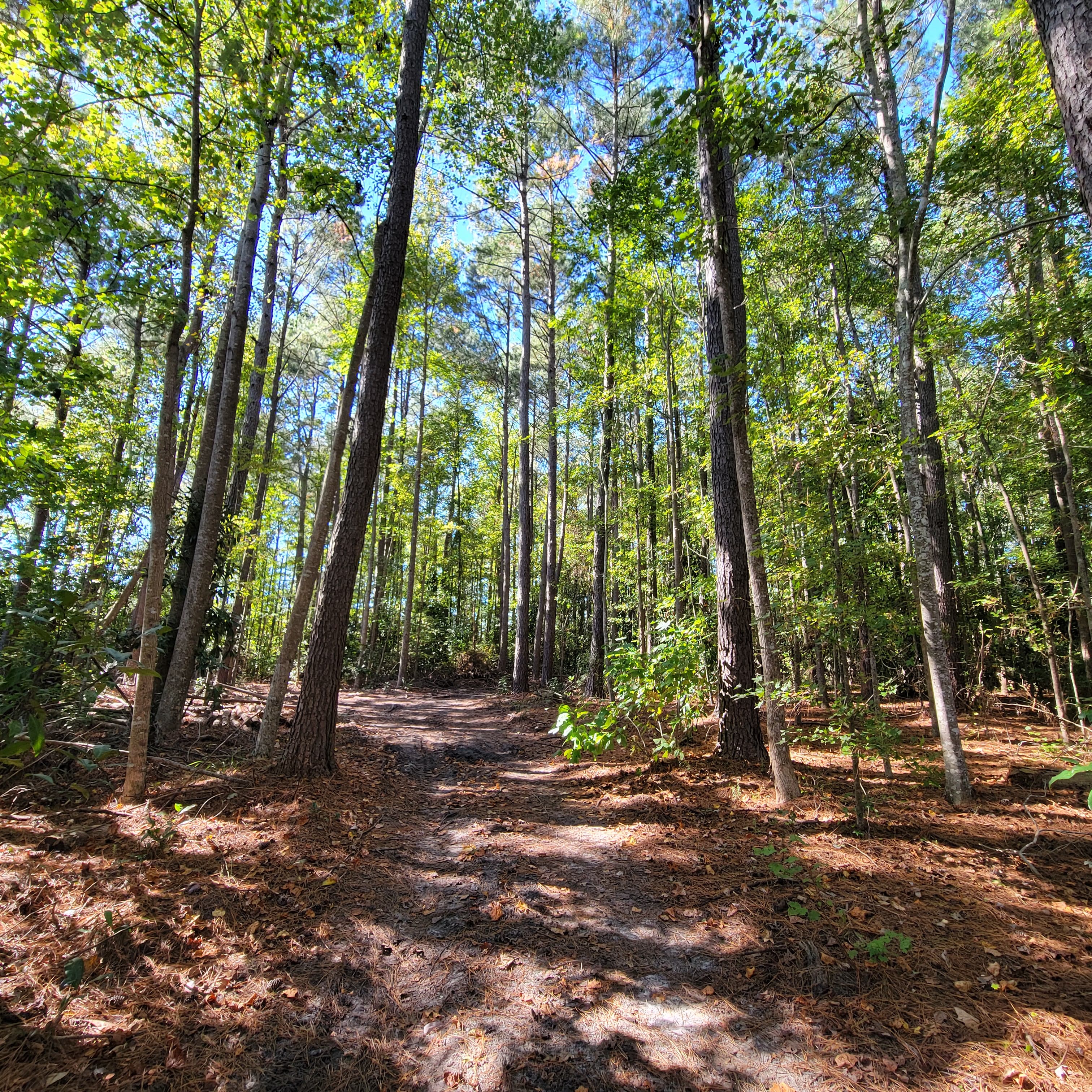
If you own land in North Carolina and have started looking into soil health, erosion control, wildlife habitat, farm improvements, timber management, or conservation programs, you may have come across the letters NRCS. That acronym stands for the Natural Resources Conservation Service. It is part of the United States Department of Agriculture, often shortened to USDA. In plain English, NRCS is the USDA office that helps eligible farmers, forest landowners, ranchers, and other land managers plan and carry out conservation work on private land. That help may be as simple as walking a property with a conservation planner and identifying resource concerns. In some cases, it may also include financial assistance for approved conservation practices. For a North Carolina landowner, NRCS can be a helpful starting point when the question is something like:
- “How do I stop this field from washing?”
- “What can I do with this wet area?”
- “How do I improve wildlife habitat without guessing?”
- “Is there a program that can help with fencing, water, trees, cover crops, or forest work?”
- “What should I do first if I want to manage this land better?” NRCS is not just for large farms. But it is also not a general landscaping service or a guaranteed grant source. The best way to think of NRCS is this: it helps eligible landowners and producers match conservation goals with practical, site-specific steps. Salt & Soil Realty Group is a real estate brokerage, not a law firm, tax preparer, forester, or environmental consultant. This post is educational; confirm easements, wetlands, permits, and program eligibility with qualified professionals and official agencies. Related reading — land & conservation
- What is conservation? A guide for NC land owners
- NC Wildlife Resources Commission guide
- North Carolina Coastal Land Trust
- Conservation easements in North Carolina
- Wetlands for coastal NC land buyers
- Wildlife habitat management in coastal NC
- Prescribed fire in Eastern North Carolina Also helpful
- Buying land in coastal North Carolina
- Coastal flood zones and insurance
- Land buyer services Carroll Harrod with Salt & Soil Realty Group helps buyers and sellers of land and rural property in **Jacksonville, NC**, Onslow County, and Coastal North Carolina—including due diligence on wetlands, easements, and conservation features before you list or close. ---
Why NRCS Exists
NRCS grew out of one of the hardest land lessons in American history: the Dust Bowl. In the 1930s, severe drought, wind, and poor land management caused massive soil loss across parts of the country. In response, Congress created the Soil Conservation Service in 1935. That agency later became today’s Natural Resources Conservation Service. (NRCS history) That history still matters. NRCS has always been rooted in a simple idea: soil, water, plants, animals, and working land need to be managed together. For North Carolina landowners, that mission shows up in everyday concerns. Erosion on a farm road. Bare soil in a field. Poor pasture condition. Timberland that needs a plan. A pond edge that keeps sloughing off. A wet area that should not be treated like dry ground. A hunting tract that needs better habitat structure. NRCS is built around voluntary conservation. It does not come onto private land and tell every owner what to do. A landowner or operator starts the conversation.
What NRCS Helps With in North Carolina
NRCS North Carolina says its conservation programs help people reduce soil erosion, improve water quality, increase wildlife habitat, enhance water supplies, and reduce damage from floods and natural disasters. (NRCS North Carolina) That sounds broad, so let’s bring it down to the ground.
Soil and Erosion
Soil is the foundation of a farm, forest, pasture, garden, or homesite. When soil leaves the property in a storm, it is not just dirt moving around. It can mean lost productivity, clogged ditches, muddy ponds, damaged roads, and poorer water quality downstream. NRCS may help eligible landowners identify where erosion is happening and what practices could address it. That might involve ground cover, better field layout, grassed waterways, streamside buffers, pasture management, or other practices depending on the land.
Water Quality and Drainage
In Coastal North Carolina, water is often the main issue. Some land is too dry in one season and too wet in another. A ditch, culvert, low field, stream edge, pond, or wetland can shape what is practical on the property. NRCS can help landowners think through water-related conservation concerns. That does not mean NRCS replaces permitting agencies or engineering professionals. But it can help landowners understand how water, soil, plants, and land use fit together before they start spending money.
Wildlife Habitat
Wildlife habitat is not just about putting out feed or planting a food plot. Good habitat usually depends on cover, water, plant diversity, forest structure, field edges, fire history, and how the land is managed over time. NRCS programs can include wildlife habitat practices on eligible agricultural or forest land. In the right situation, a landowner may also want to talk with the North Carolina Wildlife Resources Commission, a consulting forester, or a qualified wildlife professional.
Forestry and Timberland
Many North Carolina landowners do not think of timberland as “conservation land,” but forest management is one of the places where NRCS can be relevant. A forested property may need help with site preparation, tree planting, thinning, invasive plant control, firebreaks, prescribed fire planning, stream protection, or wildlife habitat. The right path depends on the stand, soils, access, water, and landowner goals. NRCS is not a substitute for a consulting forester, but it can be part of the team when a landowner is trying to connect forest management with soil, water, and habitat goals.
Farms, Pastures, and Working Land
For farmers and livestock owners, NRCS may be involved in conservation planning for cropland, pasture, water systems, fencing, heavy-use areas, cover crops, nutrient management, and related practices. The word “producer” comes up often in USDA language. For everyday readers, a producer usually means the person or business actively producing crops, livestock, forestry products, or another agricultural product. A landowner may own the land but not be the operator. That distinction can matter when applying for programs, so it is worth clarifying early with the local USDA Service Center.
What Is a Conservation Plan?
A conservation plan is simply a roadmap for improving land. It is not just a stack of government paperwork. At its best, it connects a landowner’s goals with the actual conditions on the property. NRCS describes conservation planning as science-based assistance that considers soil, water, plants, animals, land, air, energy, wildlife habitat, and invasive species or pests. (Conservation Planning) For example, a landowner may say, “I want better wildlife habitat.” A conservation planner may help identify that the property lacks native groundcover, has poor field edges, or needs forest thinning before wildlife benefits can improve. Another landowner may say, “This field washes every time we get a hard rain.” A conservation planner may look at slope, soil type, drainage, ground cover, and land use before recommending possible practices. The value of a conservation plan is that it helps landowners move from a general concern to a practical next step.
Technical Assistance vs. Financial Assistance
NRCS offers two broad types of help. These are easy to mix up, so it is worth slowing down.
Technical Assistance
Technical assistance means advice, planning help, resource assessment, practice design, and follow-up. NRCS says it provides farmers, ranchers, and forest managers with free technical assistance for their land, including resource assessment, practice design, and resource monitoring. (Get Started with NRCS) This is often the most useful first step. Even if a landowner never applies for funding, good technical guidance can help avoid wasted time and poor decisions.
Financial Assistance
Financial assistance means a program may help pay part of the cost for approved conservation practices. This is often called cost-share. Cost-share does not mean NRCS pays for anything a landowner wants to do. It also does not mean every applicant gets funded. Applications are reviewed for eligibility, ranked, and selected based on program rules, available funds, and how well the proposed work addresses resource concerns. NRCS explains that applications for most programs are accepted continuously but considered for funding during ranking periods. (How to Apply) That is one of the most important things for landowners to understand: apply before you build, install, clear, plant, or purchase materials if you are hoping for program assistance. Starting work too soon can create problems for eligibility.
Common NRCS Programs Landowners May Hear About
NRCS has many programs, and the names can get confusing quickly. Here are the big ones North Carolina landowners are most likely to hear about.
Environmental Quality Incentives Program
The Environmental Quality Incentives Program, usually shortened to EQIP, is one of the most common NRCS programs. EQIP provides technical and financial assistance to address natural resource concerns. In North Carolina, NRCS describes EQIP as helping with environmental benefits such as improved water and air quality, conserved water, reduced erosion and sedimentation, and improved or created wildlife habitat. (EQIP in North Carolina) For a landowner, EQIP may be relevant for certain farm, forest, pasture, wildlife, soil, or water practices. The exact options depend on eligibility, local priorities, the land use, and current NRCS guidance.
Conservation Stewardship Program
The Conservation Stewardship Program, usually shortened to CSP, is different from EQIP. EQIP often helps address specific resource concerns. CSP is generally for agricultural producers who are already managing conservation on their land and want to improve, maintain, and build on those efforts. NRCS describes CSP as a voluntary program that encourages producers to improve conservation systems by maintaining existing conservation activities and adding more conservation activities. (CSP in North Carolina) A simple way to think about it: EQIP may help with specific improvements; CSP is more about taking an existing conservation-minded operation to the next level.
Agricultural Conservation Easement Program
The Agricultural Conservation Easement Program, usually shortened to ACEP, is about long-term land protection. ACEP helps landowners, land trusts, and other entities protect, restore, and enhance wetlands or protect working farms and ranches through conservation easements. (ACEP) This is a more permanent and legal type of conservation tool. A conservation easement can affect future land use, resale, development options, taxes, and family planning. Landowners should not enter that process casually. It should involve NRCS or the land trust, an attorney, a tax professional, and any other needed advisors.
Is NRCS Only for Farmers?
No, but NRCS is focused on working lands and natural resource concerns. A row-crop farmer, cattle producer, small-scale grower, woodland owner, or longleaf pine landowner may all have reasons to contact NRCS. USDA also says small-scale producers can use NRCS assistance for conservation planning and installing practices specific to their natural resource needs and business goals. (Small-scale producer resources) That said, an ordinary residential lot with no agricultural, forestry, or working-land connection may not be the best fit for NRCS programs. A homeowner who wants native plants, pollinator habitat, or backyard wildlife guidance may be better served by Cooperative Extension, North Carolina Wildlife Federation resources, local native plant groups, or county stormwater guidance. The line is not always obvious. If you own acreage, have a small farm, manage timber, lease land to a farmer, run livestock, or want to improve wildlife habitat on working land, it may be worth calling the local USDA Service Center and asking.
What Happens When You Contact NRCS?
The process is less mysterious than it sounds. NRCS recommends starting at the local NRCS field office, where staff can discuss your vision for the land, provide free technical assistance, and help determine whether financial assistance may be appropriate. (How to Apply) A typical first path may look like this:
- You contact your local USDA Service Center.
- You explain the land, your goals, and the problem you are trying to solve.
- NRCS may review maps, land use, soils, and resource concerns.
- A conservation planner may schedule a site visit.
- If a program fits, NRCS can explain the application steps.
- If selected for funding, the landowner follows the contract requirements before receiving payment. This is not instant. It can take time, especially when funding deadlines, ranking periods, eligibility paperwork, site visits, and practice designs are involved.
What Is a USDA Service Center?
A USDA Service Center is a local office where landowners and producers can connect with USDA agencies, including NRCS and the Farm Service Agency. Farmers.gov explains that a USDA Service Center can help people connect with Farm Service Agency, Natural Resources Conservation Service, or Rural Development staff. The Farm Service Agency, often shortened to FSA, is another USDA agency. One thing FSA handles is farm records. If you want to apply for many USDA programs, you may need a farm number or customer record. Farmers.gov explains that a farm number allows participation in USDA programs, including conservation programs through NRCS. For a first-time landowner, this can feel like a lot of alphabet soup. A simple way to remember it is: NRCS helps with conservation planning and conservation programs. FSA helps with farm records and certain farm program requirements. Both may be located through your local USDA Service Center.
What Should You Bring or Know Before Calling?
You do not need to have everything figured out before contacting NRCS. But you will have a better conversation if you can explain the basics. Helpful information may include:
- The property address or location.
- Whether you own, lease, or manage the land.
- Approximate acreage.
- Current use, such as cropland, pasture, timber, hunting land, or mixed use.
- The problem you want to solve.
- Any maps, surveys, deeds, leases, farm records, timber plans, or past conservation plans.
- Photos of erosion, drainage problems, poor pasture areas, damaged streambanks, or other concerns.
- Your long-term goal for the land. The goal is not to impress anyone. The goal is to help the conservation planner understand the property.
What NRCS Does Not Do
NRCS can be very helpful, but it is important not to expect the wrong things. NRCS does not guarantee funding. It does not approve every application. It does not replace a surveyor, attorney, engineer, appraiser, tax professional, wetland consultant, burn boss, or consulting forester. It does not automatically make a property buildable, exempt from permits, or eligible for a program. NRCS also does not remove the landowner’s responsibility to understand contracts. If you sign a conservation program contract, you need to know what work is required, when it must be completed, how payments work, how long the commitment lasts, and what happens if ownership or land use changes. That does not mean landowners should be afraid of NRCS. It just means they should treat program participation like any serious land decision: ask questions, read the paperwork, and make sure the practice fits the property.
Why NRCS Matters in Coastal North Carolina
Coastal North Carolina land is shaped by water, soil, forests, farms, wetlands, hurricanes, sandy ground, ditch systems, and working landscapes. That makes NRCS especially relevant for many rural landowners in Eastern North Carolina. A conservation plan can help a landowner understand why one field erodes, why one pine stand is not producing good groundcover, why a pasture stays muddy, or why a wet area should be handled carefully. For acreage buyers and sellers, NRCS history can also matter. Existing conservation plans, program contracts, easements, wetland restorations, tree plantings, or cost-share practices may affect how land can be used or transferred. Those details should be reviewed during due diligence. Salt & Soil Realty Group often encourages land buyers and sellers to look beyond the listing photos. Soil, water, access, timber, habitat, drainage, and conservation history can all affect how a property functions.
Common Misunderstandings About NRCS
“NRCS is only for big farms.”
Not necessarily. NRCS may work with small-scale producers, forest landowners, and other eligible land managers. The question is not just acreage. The question is land use, resource concerns, eligibility, and program fit.
“NRCS gives out free money.”
That is not the right way to think about it. Some NRCS programs provide financial assistance for approved conservation practices, but applications are ranked and funding is limited. Landowners should not buy materials or start work assuming they will be reimbursed.
“If my neighbor got funding, I will too.”
Not automatically. Program priorities, ranking scores, land conditions, eligibility, and available funding can vary. Similar properties may receive different answers.
“NRCS will tell me everything I need for permits.”
NRCS can help with conservation planning, but landowners may still need to check with county offices, NC DEQ, the Division of Coastal Management, the U.S. Army Corps of Engineers, or other agencies depending on wetlands, streams, buffers, floodplains, construction, drainage, or coastal rules.
“A conservation plan means I cannot use my land.”
A conservation plan is usually a management roadmap, not a permanent restriction by itself. Program contracts and easements can carry obligations, so landowners should understand the difference before signing anything.
Who Should Contact NRCS?
You may want to contact NRCS if you:
- Own or manage farmland, pasture, timberland, or other working land.
- Have erosion, drainage, soil, water, or habitat concerns.
- Want to improve wildlife habitat on agricultural or forest land.
- Are considering cover crops, buffers, fencing, water systems, tree planting, or related practices.
- Want to know whether cost-share assistance may be available.
- Need help turning a broad land goal into a practical conservation plan. If your property is mainly residential and your goal is backyard habitat, native plants, or general landscaping, Cooperative Extension or local habitat organizations may be a better first call. But if you are unsure, your local USDA Service Center can help point you in the right direction.
Bottom Line
NRCS is one of the most useful conservation resources available to North Carolina landowners, especially those managing farms, timberland, pasture, wildlife habitat, or other working lands. It can help landowners understand what is happening on the ground, build a conservation plan, and, when eligibility and funding line up, apply for financial assistance for approved conservation practices. The key is to start with the land, not the program. Know what problem you are trying to solve. Ask what options fit the property. Confirm current eligibility and deadlines with the local NRCS office before making decisions. For landowners in Coastal North Carolina, the right next step often depends on the property itself. Carroll Harrod and Salt & Soil Realty Group can help buyers, sellers, and landowners think through the real estate side of land use, conservation history, access, habitat, wetlands, marketability, and long-term stewardship.
Frequently Asked Questions
What does NRCS stand for?
NRCS stands for Natural Resources Conservation Service. It is part of the United States Department of Agriculture and helps eligible landowners and producers with conservation planning and conservation programs.
Sometimes. NRCS has financial assistance programs that may help pay part of the cost for approved conservation practices. Funding is not guaranteed, and landowners should confirm eligibility, deadlines, and contract rules with their local NRCS office before starting work.
Not always, but NRCS is mainly focused on agricultural land, forest land, pasture, and other working lands. Small-scale producers and forest landowners may also be eligible for certain assistance depending on their operation and resource concerns.
The first step is usually contacting your local USDA Service Center or NRCS field office. Be ready to explain where the property is, how it is used, what concern you want to address, and what your long-term goal is.
NRCS may help with conservation planning and certain wetland or water-related programs, but it does not replace permitting agencies or qualified consultants. Before clearing, filling, ditching, draining, building, or changing water flow, landowners should confirm current rules with the proper agency or professional.
Sources and References
- USDA Natural Resources Conservation Service, NRCS history and origin as the Soil Conservation Service. (NRCS history)
- USDA NRCS North Carolina, state programs and conservation priorities. (NRCS North Carolina)
- USDA NRCS, Get Started with NRCS and technical assistance overview. (Get Started with NRCS)
- USDA NRCS, How to Apply for conservation assistance. (How to Apply)
- USDA NRCS, Conservation Planning. (Conservation Planning)
- USDA NRCS North Carolina, Environmental Quality Incentives Program. (EQIP in North Carolina)
- USDA NRCS North Carolina, Conservation Stewardship Program. (CSP in North Carolina)
- USDA NRCS, Agricultural Conservation Easement Program. (ACEP)
- Farmers.gov, USDA Service Centers and farm numbers. (USDA Service Centers)
- Farmers.gov, small-scale producer conservation resources. (Small-scale producer resources) --- Questions about land or rural property in Coastal North Carolina? **Contact Salt & Soil Realty Group**.