Water, Power, and Internet on Rural Land in Eastern NC: What “Available” Really Means
By Carroll Harrod · Salt & Soil Realty Group
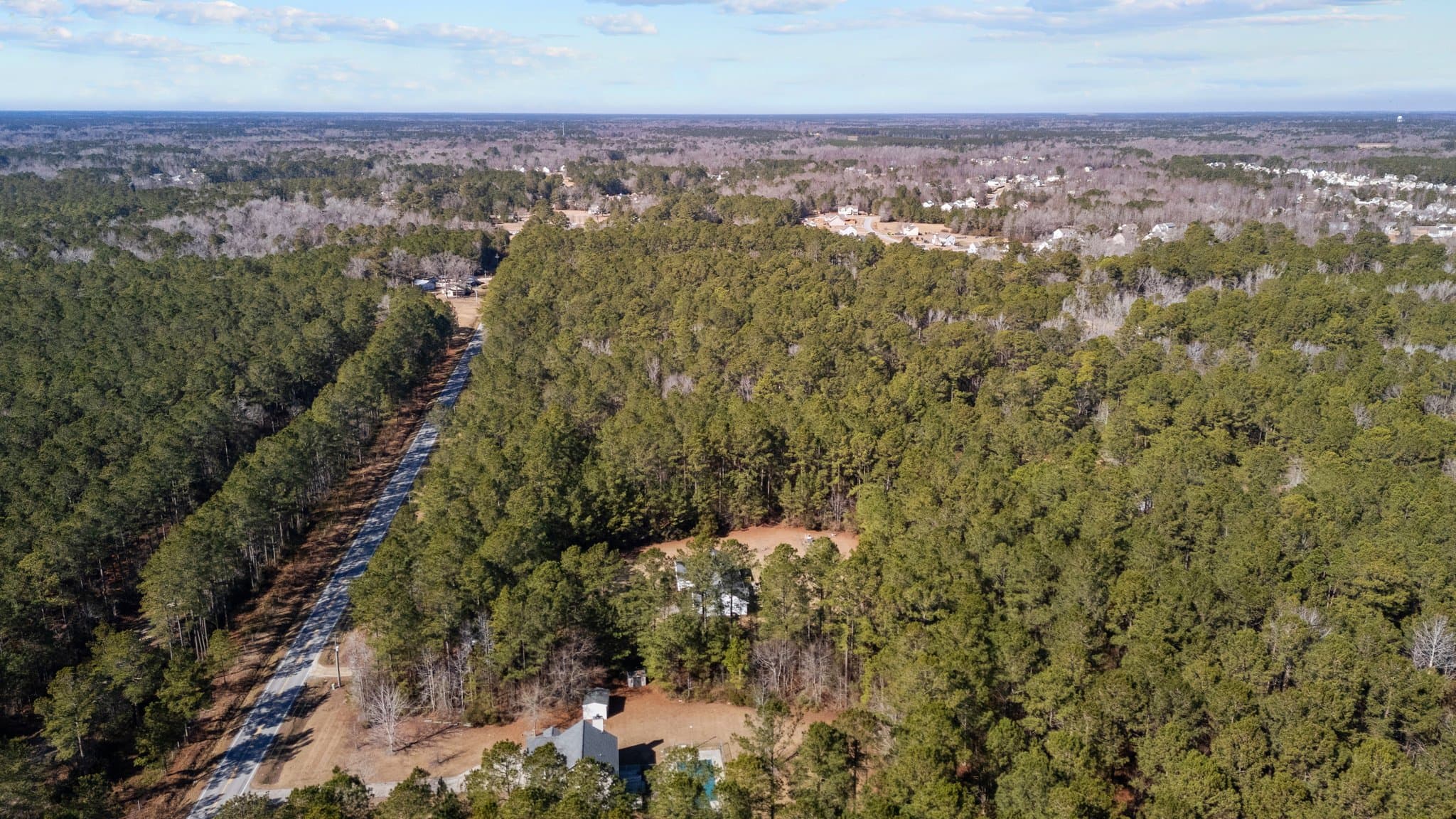
None of those situations automatically makes the land a poor choice. They simply affect the cost and layout of the project. Before making an offer, find out what is already connected, what can be connected, and what it will take to bring each service to the place where you actually intend to build. For the full land-buying framework, begin with Buying Land in Eastern North Carolina: What to Check Before You Make an Offer. Salt & Soil Realty Group is a real estate brokerage, not a surveyor, engineer, septic installer, or environmental consultant. This post is educational; confirm land, wetland, septic, and access questions with licensed professionals before closing. See **buying land in Eastern North Carolina, **cost to make raw land buildable, and usable vs total acreage. Carroll Harrod with Salt & Soil Realty Group helps buyers of land and rural property in **Jacksonville, NC**, Onslow County, and Coastal North Carolina—including septic, wetlands, and access due diligence. ---
Public Water and a Private Well Are Two Different Plans
Some rural parcels have access to public water. Others need a private well. When public water is nearby, ask the provider whether service is available to the specific parcel—not just the road or surrounding area. You may still need a tap, meter, easement, road crossing, or private service line running from the meter to the house. The distance to the homesite matters. A house placed far back from the road may require a much longer private line than a home built near the frontage. When public service is not available, a private well may be a practical solution. Onslow County Environmental Health handles applications for new wells and provides local guidance on permitting and siting. (Onslow County) The well location should be considered with the rest of the property plan. It needs to work alongside the house, septic system, driveway, drainage, and future buildings. A larger parcel may give you several possible well locations. A smaller or unusually shaped lot may require more careful coordination.
Public Water Does Not Necessarily Mean Public Sewer
Water and sewer are often discussed together, but they may come from different systems. ONWASA notes that its sewer territory is smaller than its water territory. Some customers receive ONWASA water while relying on another sewer provider or an onsite septic system. (Onslow Water and Sewer Authority) That means a listing described as having public water may still need septic. Ask separately:
- Is public water available to this parcel?
- Is public sewer available?
- Where are the connection points?
- Are taps or capacity confirmed?
- What fees and private installation costs apply? When sewer is not available, the soil and septic plan become part of the building decision. Our guide to buying land with septic in Eastern NC explains how soil evaluations, bedroom counts, and drainfield placement can affect the homesite. Do not assume sewer is available because a line appears nearby on a map. The provider should confirm whether the parcel can connect and what work would be required. “Power at the Road” May Still Leave Work to Do Power lines along the frontage are a good sign, but they do not tell you what it will cost to serve the house. The electric provider first needs to confirm that the parcel is inside its service territory. In parts of Onslow County, that may be Jones-Onslow EMC; other areas may be served by a different utility. For new construction, the provider may need a valid address, a site plan, the proposed meter location, and information about whether service will be overhead or underground. Jones-Onslow EMC notes that new-construction service may require electric lines to be built to the site and asks applicants to coordinate before the projected completion date. Duke Energy likewise uses a separate application process for new residential service. (Jones-Onslow EMC) The cost and difficulty can depend on:
- How far the house sits from the existing line
- Whether poles or underground lines are needed
- Trees and clearing along the route
- Road or driveway crossings
- Transformer needs
Easements across land owned by someone else
A homesite deep into the parcel may offer privacy, but it can also increase the cost of bringing in power. That tradeoff is worth understanding before the house location is finalized.
Utility Access May Require Its Own Easement
The right to drive across a private road does not always include the right to install power, water, or communications lines in the same corridor. Sometimes the recorded easement covers both access and utilities. Sometimes utility rights are addressed separately. In other cases, the documents are unclear. This matters when the planned service route crosses neighboring property. Have the easement language reviewed and ask the utility provider whether the proposed corridor meets its requirements. It is much easier to adjust a route or address an easement before construction begins. Our guide to legal access and easements on Eastern NC land explains how road rights, maintenance agreements, surveys, plats, and utility access fit together.
Check Internet at the Address, Not the ZIP Code
Internet access can vary from one rural road to the next—and sometimes from one end of a road to the other. The FCC National Broadband Map lets buyers search by address and see which providers report serving that location, along with the type of service and advertised speeds. (Broadband Map) That is a useful starting point, but follow up with the provider before relying on it. Ask whether:
- The exact parcel can receive service
- A new address must be assigned first
- A line extension or construction charge applies
- The service is fiber, cable, fixed wireless, DSL, or satellite
- A site visit is needed
Trees or terrain affect wireless service
This can be especially important when the homesite is far from the road. A provider may serve nearby houses but still require additional work to reach a new structure. Buyers who work from home, operate equipment that depends on connectivity, or plan to install security systems should treat internet as part of the property investigation—not as something to solve after moving in.
Get Parcel-Specific Answers Before Comparing Costs
Utility questions become much easier once you have the parcel number, proposed homesite, and rough site plan. Instead of asking, “Do you serve this area?” ask:
- Can this parcel receive service, where would the connection be, and what work would be the owner’s responsibility?
- Then compare the full setup. One parcel may cost more upfront but already have a water tap and power near the homesite. Another may be cheaper but require a well, a long underground power run, and a costly internet extension. Neither setup is automatically wrong. The better value depends on the finished cost and what the buyer wants from the property.
Bottom Line
Utilities on rural land are rarely as simple as yes or no. Public water may be available without sewer. Power may be at the road but far from the homesite. Internet may be reported nearby without being ready to connect. A private well and septic system may be the most practical setup on one parcel, while public utilities make more sense on another. Confirm each service with the provider, tie the answer to the actual parcel, and consider how the utility routes fit with the driveway, house, septic system, and future improvements. Salt & Soil Realty Group helps buyers evaluate land and acreage throughout Onslow County and Eastern North Carolina. Carroll Harrod can help identify the utility questions that need answers and keep those costs connected to the larger property plan before an offer is made.
Frequently Asked Questions
How can I tell whether public water is available to vacant land?
Contact the water provider with the parcel number or proposed address. Ask whether the parcel can connect, where the connection point would be, and which tap, meter, extension, and private-line costs would be the owner’s responsibility.
No. ONWASA’s sewer territory is smaller than its water territory, so some properties may have public water but still require septic or use another sewer provider. Verify the two services separately. (Onslow Water and Sewer Authority)
There is no dependable flat amount. Cost depends on the provider, distance, terrain, overhead versus underground service, transformer needs, clearing, road crossings, and easements. Request a property-specific estimate before relying on a budget.
Sometimes, but not always. The recorded language may cover access, utilities, or both. Have the documents reviewed and confirm that the utility provider will accept the proposed route.
Start with the FCC National Broadband Map, using the closest valid address when necessary. Then contact the reported providers and ask whether they can serve the planned homesite, whether construction charges apply, and what connection type and speeds are available. (BDC Help Center)
Research References
Onslow County Wells ONWASA: Who’s My Sewer Provider? ONWASA: Establishing Service Jones-Onslow EMC Service Request Duke Energy: Apply for Electric Service FCC National Broadband Map How to Use the FCC National Broadband Map --- Questions about land or rural property in Coastal North Carolina? **Contact Salt & Soil Realty Group**.