What Is Spring Weather Like in Jacksonville, NC?
By Carroll Harrod · Salt & Soil Realty Group
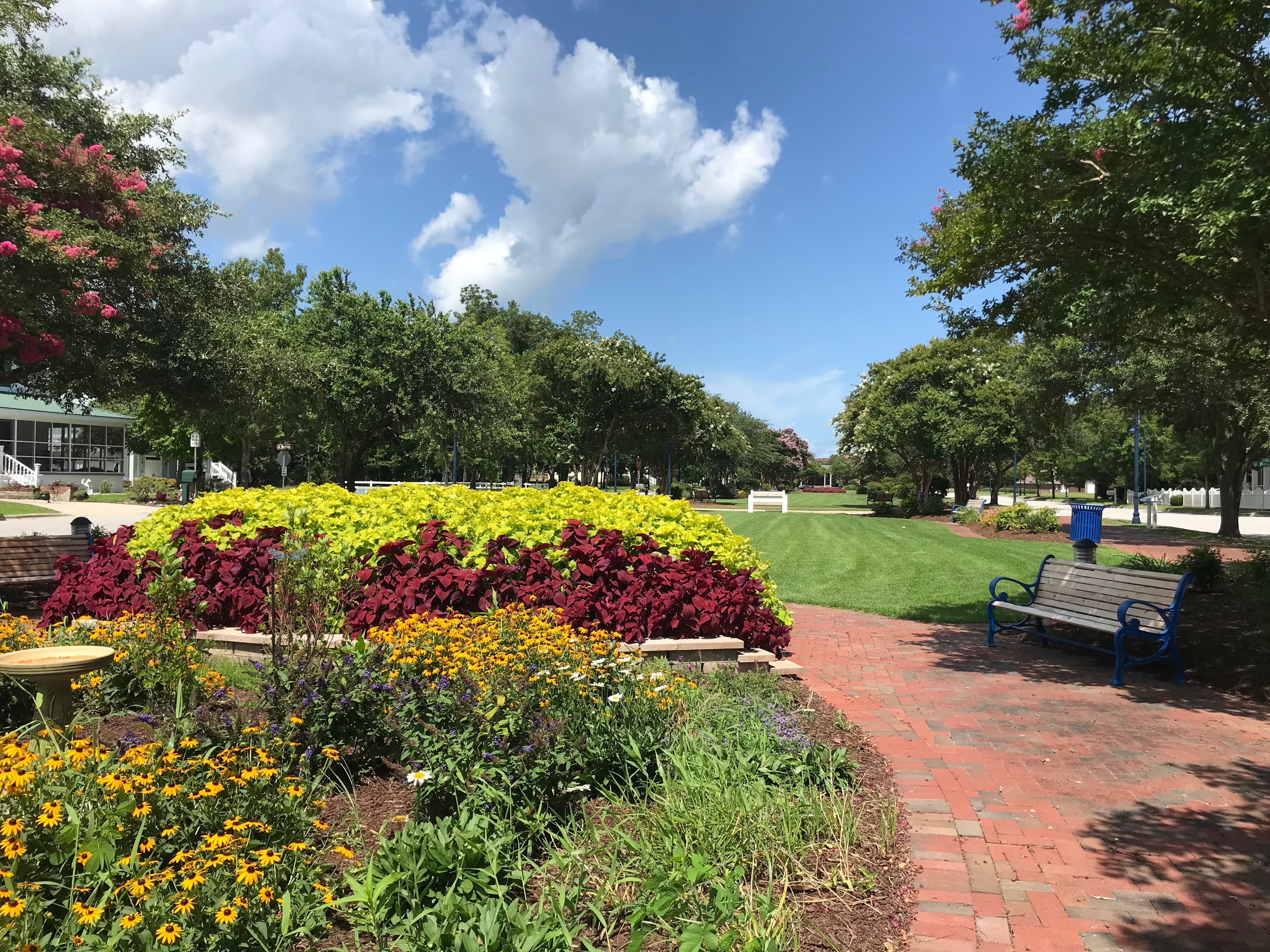
Spring in Jacksonville, NC doesn’t arrive all at once. March can still feel chilly in the morning, April usually brings some of the nicest afternoons of the year, and May gives you a pretty good idea of what summer will feel like.
You’ll probably use both the heat and air conditioning at some point during the season. You may leave home in a sweatshirt and be carrying it by lunch. You’ll also see pollen on the car—and everything else—grass that suddenly needs mowing again, and thunderstorms that weren’t in the plan when the day started.
Spring is warm, changeable, and good for getting outside. Checking the forecast before leaving home is still a good habit.
Salt & Soil Realty Group is a real estate brokerage. This post is educational local weather and lifestyle context; confirm forecasts and emergency guidance with official sources.
See year-round weather, summer weather, and winter weather.
Carroll Harrod with Salt & Soil Realty Group helps people relocating to Jacksonville, NC understand local climate, seasons, and neighborhood fit before they buy.
March Can’t Quite Make Up Its Mind
March afternoons in Jacksonville are usually mild, with normal highs in the mid-60s. Mornings and nights are much cooler, with normal lows in the low 40s.
That can make getting dressed a little awkward. A jacket feels right at 7 a.m., but the same jacket may be tied around your waist by midafternoon. Jeans, long sleeves, light layers, and a rain jacket tend to work well.
Cold fronts still come through in March, so a warm weekend isn’t proof that winter is finished. Frost and freezing temperatures become less common as the month goes on, but they’re still possible.
March is also when outdoor chores start piling up. Grass begins waking up, weeds show up before you’re ready for them, and trees start dropping pollen on porches, vehicles, and outdoor furniture.
April Is Often the Sweet Spot
April is warmer without usually having the full heat and humidity of summer. Normal highs are in the mid-70s, while nights commonly fall into the low 50s.
For many people, this is the easiest part of spring to enjoy. It’s warm enough for fishing, hiking, paddling, yard work, and beach walks, but you’re less likely to feel worn out after an hour in the sun.
April weather still has its mood swings. One day may feel almost summery, followed by a cooler, windy day after a front passes. Rain can settle in for several hours, or a quick storm may move through and leave the rest of the afternoon clear.
A light jacket still comes in handy at night, especially near the water.
May Starts Looking a Lot Like Summer
By May, normal afternoon highs are around 80 degrees, and nighttime temperatures average near 60. The warmer days become more consistent, and the humidity starts hanging around longer.
Early May may still bring cool mornings. By the end of the month, shorts, ceiling fans, and air conditioning are usually part of the routine.
May is also when outdoor work starts feeling different. Mowing at noon may have been comfortable in April, but it can feel much hotter a few weeks later. People often start moving yard work, exercise, and longer outdoor projects to the morning.
Thunderstorms become more common as warm, humid air settles in. A storm chance in the forecast may only affect part of the day or part of the county, so keeping an eye on the radar helps when you’re heading to the water or working outside.
For a closer look at where the season is headed, read what summer is like in Jacksonville.
Spring Rain Usually Comes and Goes
Jacksonville gets rain throughout the spring, but it’s rarely a three-month stretch of gray skies.
Some systems bring steady rain for much of the day. Other times, the sky darkens, rain comes down hard for 20 or 30 minutes, and the sun is back out before dinner.
Those heavier showers can be useful when you’re evaluating a home or piece of land. They may show you where water collects, whether gutters overflow, how runoff moves across a driveway, or whether low areas stay soggy.
One wet afternoon isn’t enough to diagnose a drainage problem. It can still point out areas worth examining more closely, including the grading, ditches, downspouts, driveway, and crawlspace.
Then There’s the Pollen
You don’t have to check an app to know when pollen season has arrived, the yellow coating on your vehicle will tell you.
Tree pollen is usually the biggest issue in March and April. Grass pollen becomes more noticeable as the season moves into May. The exact timing changes from year to year depending on temperature, rain, and wind.
Loblolly pines are common across the area, and they release large amounts of pollen into the air. Instead of relying on insects to move pollen between trees, pines depend on the wind. During the heaviest stretches, yellow dust can settle over cars, porches, boats, driveways, and anything else left outside.
Dry, breezy days tend to spread pollen around. Rain may rinse it off the driveway and porch, but another dry day can bring the yellow coating right back.
Homeowners may find themselves washing outdoor furniture more often, changing HVAC filters, and keeping windows closed during the heavier stretches. People with significant allergy or breathing concerns should follow advice from their healthcare provider rather than relying only on general pollen reports.
Some Spring Storms Can Become Severe
Most spring thunderstorms pass without causing serious problems. Stronger storms are possible, especially when warm, humid air is followed by an approaching cold front.
Spring severe weather in eastern North Carolina can include damaging wind, hail, frequent lightning, heavy rain, and tornadoes. Most cloudy afternoons remain uneventful, but official warnings should be taken seriously.
It helps to have more than one way to receive alerts. A phone notification is useful, but a weather radio or local alert system provides a backup if cell service is unreliable.
Before severe weather arrives, decide where everyone in the home would go. An interior room on the lowest floor, away from windows, is generally the best option.
Lightning can interrupt boating, beach plans, sports, military training, and yard work even when the rain itself is brief. Once thunder is close enough to hear, it’s time to move indoors.
Lawns and Gardens Get Busy
Once the ground warms up, things grow quickly.
Lawns may go from barely needing attention to needing regular mowing. Shrubs put on new growth, gardens get started, and weeds seem to appear everywhere at once.
Spring maintenance around a Jacksonville property may include:
- cleaning gutters and checking downspouts
- watching how water drains during a storm
- checking the crawlspace for dampness or musty odors
- trimming dead or damaged branches
- inspecting fences and outdoor structures
- servicing the HVAC system before summer
- preparing mowers and other lawn equipment
- checking outdoor faucets and irrigation systems
Gardeners should use planting guidance for Eastern North Carolina rather than a general statewide calendar. Coastal areas may warm earlier than other parts of the state, but individual plants still have different tolerances for cool nights.
Acreage and rural properties may need additional attention. Pasture growth, fencing, muddy access areas, drainage, shade, and water for outdoor animals can all become part of the spring routine.
Spring Beach and Boating Weather
Spring can be a great time to head toward the coast. The air may feel warm and comfortable before summer heat sets in, particularly in April and May.
Water conditions often lag behind the air temperature. A warm afternoon may still come with cold water, gusty wind, rough surf, or a higher rip-current risk. Check the water temperature, wind, tides, thunderstorm chances, and beach forecast before swimming or launching a boat.
Spring is also a good time to inspect boating equipment that may have been sitting through the winter. Batteries, fuel systems, lines, trailers, life jackets, lights, and emergency gear all deserve a look before the first full day on the water.
What Newcomers Often Find Surprising
One of the first surprises is how quickly spring moves.
March can still feel like winter in the morning. April brings a stretch of pleasant weather that makes everyone want to be outside. Then May arrives, and suddenly the grass is growing fast, the humidity is back, and afternoon storms are showing up in the forecast.
The pollen catches plenty of people off guard too. Even someone who expects seasonal allergies may be surprised by the yellow film that settles over vehicles, porches, boats, and anything left outside.
Conditions can also change several times in one day. A cool or foggy morning may turn warm and sunny before clouds and wind arrive later in the afternoon.
Frequently Asked Questions
Is March cold in Jacksonville, NC?
March is usually mild during the afternoon, but mornings and nights can still be cold. Normal highs are in the mid-60s, and lows are in the low 40s. Frost and an occasional freezing night are still possible.
April usually brings comfortable afternoons in the mid-70s and cooler nights in the low 50s. Rain, pollen, changing temperatures, and thunderstorms are all possible.
May is warm, with normal highs around 80 degrees. Some days are comfortable, while others bring an early taste of summer heat and humidity.
Tree pollen is usually most noticeable during March and April. Grass pollen becomes more active later in spring, often continuing through May.
Yes, especially for walking, fishing, and spending time on the sand. Before swimming, check the water temperature, wind, waves, thunderstorms, and rip-current forecast.
Spring in Jacksonville Moves Fast
March still brings cold mornings. April often offers comfortable afternoons. By May, heat, humidity, faster lawn growth, and afternoon storms have returned.
Spring is also a useful time to see how a property handles rain and new growth. Gutters, drainage, crawlspaces, trees, fencing, landscaping, and HVAC systems can all offer clues about the maintenance a home or parcel may need.
For the bigger picture, read our complete guide to Jacksonville, NC weather. From there, continue to what summer is like in Jacksonville to learn how residents handle heat, humidity, afternoon storms, mosquitoes, and tropical-weather season.
Carroll Harrod and Salt & Soil Realty Group can help buyers look beyond a pleasant spring showing and think through the year-round ownership questions that come with homes, land, acreage, and coastal property around Jacksonville and Onslow County.
Suggested Internal Links
Our complete guide to Jacksonville, NC weather/blog/weather-in-jacksonville-nc-year-round
What summer is like in Jacksonville/blog/summer-weather-jacksonville-nc
Sources Used
NOAA National Centers for Environmental Information, 1991–2020 Monthly Climate Normals for New River MCAF.
North Carolina State Climate Office, Severe Pollen, Severe Drought, and Severe Storms Ramp Up in March.
North Carolina State Climate Office, April Had Transient Temperatures, Plentiful Pollen—but No Tornadoes.
National Weather Service Newport/Morehead City, Rip Current and Beach Safety Guidance.
NC State Extension, Eastern North Carolina Planting Calendar for Annual Vegetables, Fruits, and Herbs.
Questions about living in Jacksonville, NC? Contact Salt & Soil Realty Group.