Buying Land With Septic in Eastern NC: Soil Evaluations, Bedroom Counts, and Site Planning
By Carroll Harrod · Salt & Soil Realty Group

A rural parcel can have plenty of acreage and still leave only a few sensible places for the house. The septic system is often the reason. On land without public sewer, the soil evaluation helps determine what kind of septic system the property can support, how many bedrooms it can serve, and where the drainfield can go. That information affects more than plumbing. It can shape the location of the house, driveway, well, shop, pool, and future additions. This does not make septic land a poor choice. Septic is normal throughout much of Eastern North Carolina. The important part is making the septic plan fit the property plan before you commit to a house design. For a broader look at access, utilities, usable acreage, restrictions, and site costs, begin with Buying Land in Eastern North Carolina: What to Check Before You Make an Offer. Salt & Soil Realty Group is a real estate brokerage, not a surveyor, engineer, septic installer, or environmental consultant. This post is educational; confirm land, wetland, septic, and access questions with licensed professionals before closing. See **buying land in Eastern NC, **legal access on rural land, and land buyer services. Carroll Harrod with Salt & Soil Realty Group helps buyers of land and rural property in **Jacksonville, NC**, Onslow County, and Coastal North Carolina—including septic, wetlands, and access due diligence. ---
A Soil Evaluation Is More Than a “Perk Test”
Buyers commonly ask whether a parcel has passed a perk test. In Onslow County, the official process is described as a soil evaluation. The evaluation is used to determine whether the site can support an onsite wastewater system and what type of system may be appropriate. The county’s permitting process then moves through three stages:
- Improvement Permit
- Construction Authorization
Operation Permit
The Improvement Permit comes first. It states the approved system type and number of bedrooms. The Construction Authorization covers installation of the approved design, and the Operation Permit follows the final inspection of the installed system. (Onslow County) For a buyer, the Improvement Permit often provides the most useful early information. It begins to answer two practical questions:
- Can the property support the planned house?
- Where will the system need to go?
Pay Attention to the Bedroom Count
A septic permit is generally tied to bedroom count rather than the house’s total square footage. That distinction matters. A large open floor plan with three bedrooms may have different wastewater requirements from a smaller home designed with five bedrooms. Calling a room an office on a floor plan does not necessarily settle how the permitting authority will view the layout. NCREC advises brokers and buyers to compare the number of bedrooms represented for a property with the number shown on its septic permit. (NCREC Bulletins) When looking at vacant land, decide early how many bedrooms you are likely to need. A permit for three bedrooms may work perfectly for one buyer and fall short for another. Do not assume that more acreage automatically means approval for a larger system. The soil and available system area matter more than the total parcel size.
Plan the House and Septic Area Together
One of the easiest mistakes to make is choosing a house location first and treating septic as something that can be worked out later. The septic system needs an initial drainfield area, appropriate setbacks, and space for future repair or replacement. North Carolina’s onsite wastewater rules define the system site as including the repair area, not just the part installed on day one. (Environmental Health Section) That reserved ground may affect where you can place:
- The house
- Driveway
- Well
- Detached garage or workshop
- Pool
- Barn
- Future addition
Second dwelling
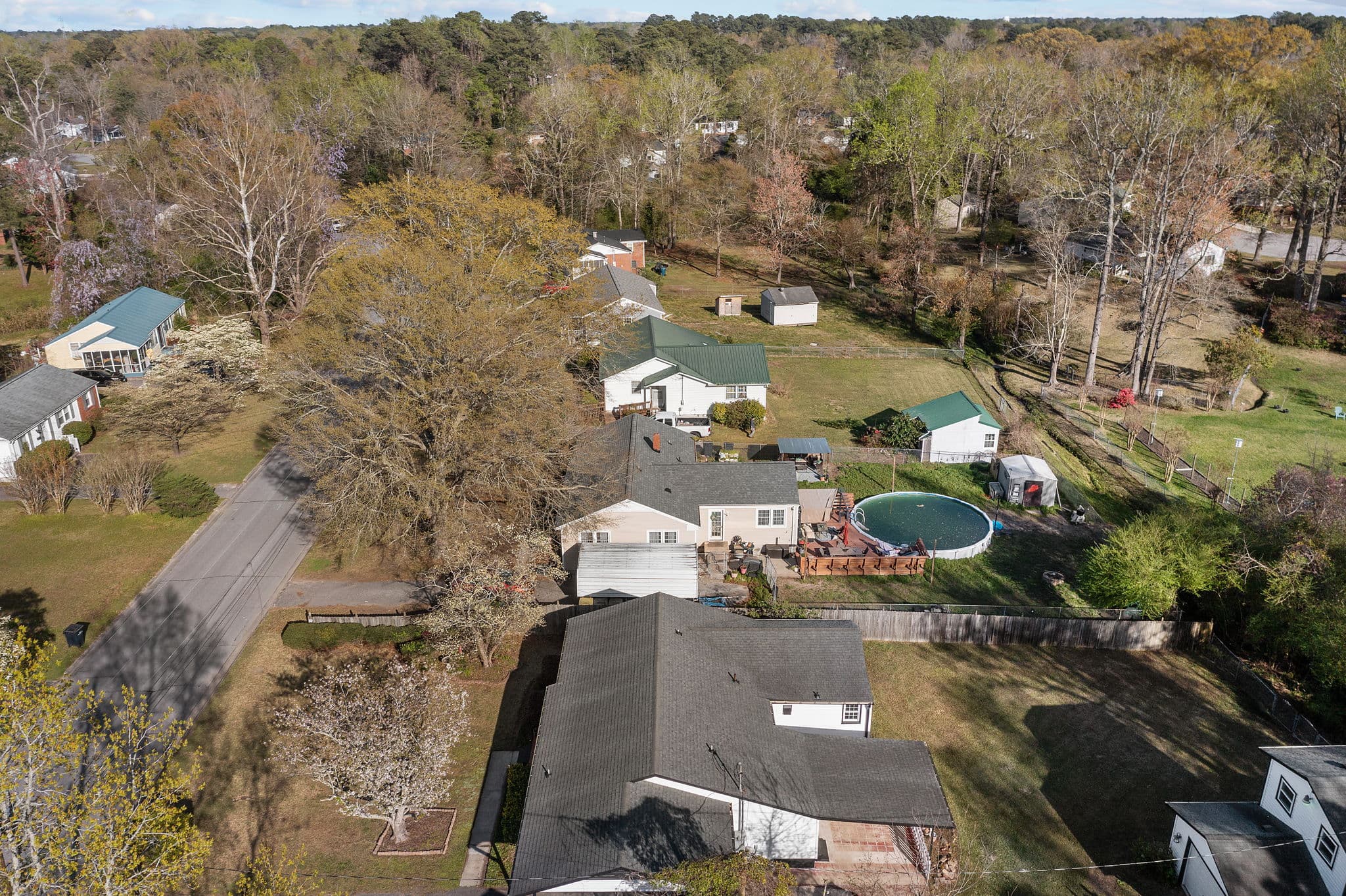
Imagine a buyer who wants the house centered on the prettiest open section of a five-acre parcel. That may work. But if the best soil is also in that open area, the smarter layout might place the house slightly to one side and preserve the suitable ground for the drainfield and repair area. That is why a simple concept sketch can be useful before the evaluation. It does not need to be a finished construction plan. It should show the general location and size of the house, driveway, well, septic area, and any major outbuildings.
An Existing Permit Is Helpful, but Read What It Actually Says
A prior septic permit can save time and reduce uncertainty, but it should not be treated as a blanket approval for any future plan. Check:
- The approved bedroom count
- The system type
- The permit date and status
- The approved system location
- Whether the parcel boundaries have changed
Whether the proposed house still fits the approval
Onslow County provides public access to many Environmental Health records that may be useful during a real estate transaction. (Onslow County) If a property already has a septic system and the buyer wants to add onto the house, the county may require an Existing System Authorization. Onslow County states that when the bedroom count is not increasing and the addition does not encroach on the septic system or well, the application includes a floor plan and site plan for county review before the building permit is issued. (Onslow County) That is another reason to locate the existing system rather than relying on a seller’s general recollection of where it sits.
A Nonconventional System Is Not Automatically Bad
Not every parcel supports a basic conventional septic layout. Some sites may require a different design because of soil conditions, available space, groundwater, or the proposed wastewater load. That does not automatically make the land a bad purchase. A different system may still support the buyer’s plan, but it can affect:
- Installation cost
- Design and engineering
- Maintenance
- Electrical use
- Inspection needs
Long-term ownership expenses
The right comparison is not simply “conventional versus alternative.” It is whether the approved system, total cost, and maintenance requirements make sense for the property and the buyer’s budget.
Wet Ground Deserves a Closer Look
Soil suitable for septic is not determined by whether the surface looks dry during one visit. Seasonal groundwater, drainage patterns, soil characteristics, and low areas can all affect where a system is placed. If part of the parcel appears wet or mapped wetland areas are close to the proposed homesite, that deserves a closer review before the house and driveway locations are finalized. Wetlands do not automatically make a parcel unusable, and they are not the same as a septic determination. A tract may contain wet areas while still offering suitable upland for the house and wastewater system. Salt & Soil’s guide to wetlands in Coastal North Carolina explains how wet ground, mapped wetlands, usable upland, and professional determinations fit together. (Salt & Soil Realty Group)
Use the Due-Diligence Period Deliberately
In North Carolina, the due-diligence period is the buyer’s opportunity to investigate the property and decide whether to proceed. NCREC specifically identifies septic inspections and related property research as possible parts of that investigation. (NCREC Bulletins) Before making an offer, find out:
- Whether septic records already exist
- Whether a new evaluation is needed
- Who must authorize the application
- How the proposed house plan will be described
Whether the evaluation can be completed before the deadline
The due-diligence fee is generally nonrefundable if the buyer terminates, aside from limited exceptions. The amount and length of the due-diligence period should reflect how much still needs to be confirmed. (NCREC Bulletins) The goal is not to delay the purchase. It is to avoid designing a house around assumptions the land cannot support.
Bottom Line
A good septic approval does more than tell you that a house can be built. It helps show what size house the land can support and how the different pieces of the property can fit together. Confirm the bedroom count. Locate the proposed drainfield and repair area. Make sure the driveway, well, shop, and future plans do not compete for the same ground. If an older permit exists, verify that it still matches the parcel and the home you want to build. Salt & Soil Realty Group helps buyers evaluate land and acreage throughout Onslow County and Eastern North Carolina. Carroll Harrod can help you identify the septic questions that need answers, organize the due-diligence timeline, and keep the full property plan in view before you make an offer. For additional help with vacant land and rural property, visit Salt & Soil’s land and acreage services.
Frequently Asked Questions
Is a soil evaluation the same as a perk test?
“Perk test” is the common phrase many buyers use, but Onslow County refers to the official process as a soil evaluation. The review is used to determine whether an onsite wastewater system can be permitted and what type of system and bedroom count the site may support.
A three-bedroom permit generally supports a home permitted for three bedrooms. Do not assume that extra rooms can simply be labeled as offices without further review. Confirm the planned floor plan with the permitting authority before finalizing the design.
Structures and other improvements generally should not encroach on the septic system or required repair area. Confirm the mapped system location and applicable setbacks before placing a garage, shop, driveway, pool, or addition.
Not necessarily. Acreage can provide more options, but soil conditions and the amount of suitable ground are what matter. A smaller parcel with good soil may offer a simpler septic plan than a much larger tract dominated by wet or unsuitable areas.
When a home will depend on septic, completing the evaluation during due diligence can remove a major uncertainty. The decision depends on the existing records, contract terms, intended house, timeline, and amount of risk the buyer is willing to accept.
Research References
Onslow County Soil Evaluations Onslow County Septic Systems Onslow County Existing Septic Systems Onslow County Environmental Health Records North Carolina Onsite Wastewater Rules NCREC: Due Diligence Questions and Answers NCREC: Septic Permits—A Refresher --- Questions about land or rural property in Coastal North Carolina? **Contact Salt & Soil Realty Group**.