What Is Fall Weather Like in Jacksonville, NC?
By Carroll Harrod · Salt & Soil Realty Group
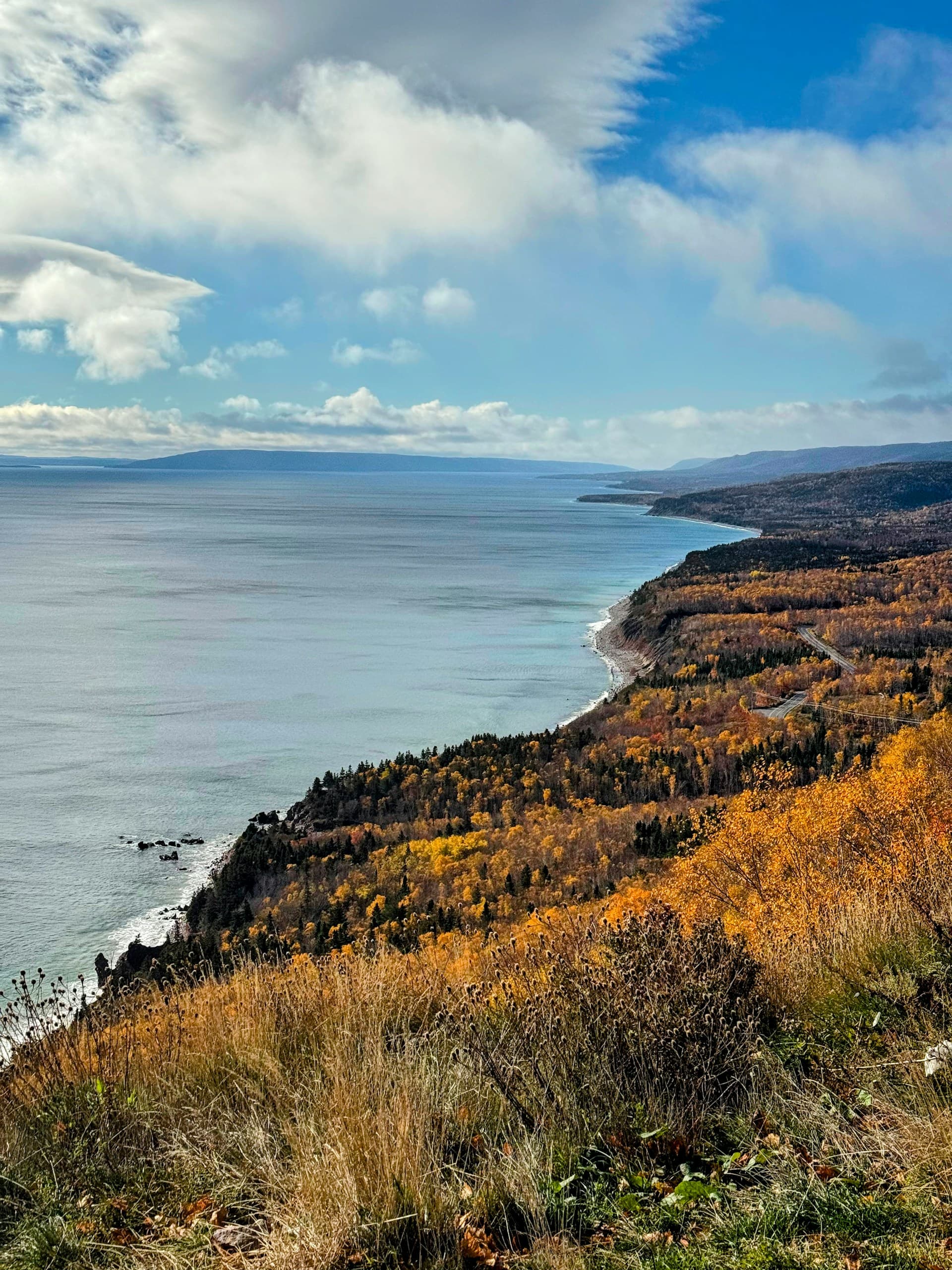
Fall in Jacksonville, NC arrives in stages. September still feels a lot like summer, October usually brings the first dependable break from the heat, and November is when jackets and chilly mornings become part of the routine.
The humidity gradually eases, evenings become more comfortable, and outdoor work gets easier. Hurricane season is still active, though, especially during September and October.
Anyone picturing crisp air and changing leaves as soon as Labor Day passes may need to be patient. Coastal Eastern North Carolina takes its time getting there.
Salt & Soil Realty Group is a real estate brokerage. This post is educational local weather and lifestyle context; confirm forecasts and emergency guidance with official sources.
See year-round weather, hurricane preparedness, and summer weather.
Carroll Harrod with Salt & Soil Realty Group helps people relocating to Jacksonville, NC understand local climate, seasons, and neighborhood fit before they buy.
September Is Still Summer by Local Standards
September has “fall” on the calendar, but the weather often says otherwise.
Normal afternoon highs at New River Marine Corps Air Facility are around 83 degrees, and nighttime lows average in the mid-60s. Early in the month, hotter days and muggy nights are common enough that air conditioning, shorts, and summer yard routines usually continue.
The ocean and nearby waterways are still warm, so beach trips, boating, paddling, and fishing remain popular. The tradeoff is that tropical weather requires attention. September falls near the busiest part of Atlantic hurricane season, and it is also one of the wettest months in Jacksonville’s climate record.
Rainfall can be uneven. A typical thunderstorm may soak one part of town and miss another. A tropical system can bring a much longer stretch of wind and rain.
The lawn may still need frequent mowing, mosquitoes are still active, and humidity can make an afternoon outside feel hotter than the number on the forecast.
October Usually Brings the First Real Break
October is when fall starts to feel believable.
Normal highs drop to around 75 degrees, with nighttime lows in the mid-50s. The air often feels less heavy, and mornings become comfortable enough for outdoor work without trying to finish everything before the heat builds.
This is the month when open windows start sounding appealing again. You may still run the air conditioner during a warm afternoon, then reach for a sweatshirt after sunset.
October weather is usually well suited for:
- fishing and boating
- walking or hiking
- yard cleanup
- outdoor home projects
- beach walks
- working with fences, gardens, or pasture
- moving without the worst summer heat
Cold fronts become more noticeable as the month goes on. They can bring gusty wind, rain, and a sharp temperature drop behind them. A warm afternoon may be followed by a morning that feels much cooler than expected.
Hurricane season is still underway in October, so storm supplies and outdoor preparations should not be packed away too early.
November Feels Like Fall
November brings cooler afternoons, colder nights, and a much better chance of needing a jacket.
Normal highs are in the mid-60s, while average nighttime lows fall into the mid-40s. Warm days still happen, but cold fronts become stronger and overnight temperatures can drop into the 30s.
Frost and freezing temperatures are possible, especially later in the month. Gardeners, livestock owners, and anyone with tender outdoor plants should keep an eye on the nighttime forecast.
November is also when heating systems begin getting regular use. Jacksonville may have an afternoon warm enough for short sleeves, followed by a night cold enough to turn on the heat. That back-and-forth is fairly common during the transition into winter.
For more on what comes next, read preparing for winter in coastal North Carolina.
Fall Rainfall Can Change Quickly
September averages considerably more rain than October or November. Long-term climate normals show about seven and a half inches in September, compared with roughly four inches in October and three and a half inches in November.
Those averages only tell part of the story. Tropical systems can push a monthly total much higher, while a quiet October or November may turn dry.
Dry fall stretches can make yard work and outdoor projects easier, but newly planted gardens, shrubs, and trees may still need water. After a wet summer, ditches and low areas may also take time to dry even when rain becomes less frequent.
For buyers looking at homes or land, fall can show a different side of a property. Summer growth may have hidden drainage paths, fence damage, dead limbs, or low spots. As leaves begin dropping, it may be easier to see the shape of the lot and how the surrounding land lays.
Hurricane Season Continues Through November
Atlantic hurricane season officially runs through November 30. September is near the historical peak, while activity generally becomes less common later in the fall.
There is no need to spend the season watching every disturbance in the Atlantic. Pay attention when official forecasts show a system that may affect the region.
Fall storm preparation may include:
- keeping emergency supplies stocked
- signing up for local alerts
- clearing gutters and drainage paths
- checking trees for damaged or hanging limbs
- securing loose outdoor items
- reviewing plans for pets or livestock
- checking boats, docks, trailers, and waterfront equipment
- knowing the property’s flood and evacuation information
The City of Jacksonville provides emergency notifications through Jacksonville Connect. Local officials also direct residents to Know Your Zone for evacuation information.
Storm effects depend heavily on the individual property. Elevation, drainage, trees, roof condition, flood zone, distance from water, and surrounding land all matter.
Fall Color Comes Later Near the Coast
Jacksonville gets fall color, but it arrives later and is usually less dramatic than the mountain displays in western North Carolina.
The Coastal Plain has lower elevation, milder fall temperatures, and a large number of evergreen pines. Those factors give the area a different look from the Blue Ridge.
Color often becomes more noticeable in November. Maples, sweetgums, oaks, and other deciduous trees can produce reds, yellows, and oranges, while the pines stay green. Weather affects the timing and quality each year. Warm nights may delay the change, while wind or dry conditions can make leaves drop early.
You will still see color along roads, yards, rivers, and wooded areas. It tends to be scattered rather than the broad mountain views that draw fall visitors to western North Carolina.
Fall Is a Good Time to Work Outside
Once the humidity backs off, projects that felt miserable in July become much easier.
Fall is a good time to clean gutters, trim damaged limbs, inspect fencing, clear overgrown drainage areas, and catch up on exterior repairs. It is also worth checking the roof and siding after summer thunderstorms and before winter cold fronts arrive.
Around the home, fall maintenance may include:
- servicing the heating system
- replacing HVAC filters
- cleaning leaves from gutters and downspouts
- checking crawlspace moisture
- sealing exterior gaps
- inspecting weather stripping
- putting away or securing seasonal equipment
- clearing leaves from ditches and drainage paths
Leaves can block drains and hide low areas, particularly after heavy rain. Keeping water routes open is more useful than waiting until a storm is already underway.
Boats and outdoor equipment may also need end-of-season attention, even if they will still be used through the winter. Batteries, fuel, exposed metal, upholstery, lines, and trailers all hold up better with routine care.
Fall Gardens Can Keep Producing
The growing season in coastal North Carolina lasts longer than it does in many parts of the state. Fall gardens may include collards, kale, cabbage, carrots, lettuce, mustard greens, radishes, spinach, and turnips.
Timing matters. Some crops need to be started while September is still warm so they can mature during cooler weather. NC State Extension’s Eastern North Carolina planting calendar is a better reference than a general national garden schedule.
Landowners may also be thinking about pasture condition, cool-season forage, fencing, water access, and muddy areas before winter. The right approach depends on the soil, drainage, acreage use, and animals on the property.
What People Wear in Fall
September is mostly summer clothing. Shorts, lightweight shirts, and sandals remain common, especially during the day.
October calls for layers. A short-sleeved shirt may work in the afternoon, while a light jacket or sweatshirt is useful in the morning and after sunset.
By November, long sleeves, jeans, jackets, and closed-toe shoes become more common. Heavier coats may come out during a strong cold front, but they are not needed every day.
Keeping an extra layer in the vehicle is usually easier than trying to guess how the temperature will feel several hours later.
What Newcomers Often Find Surprising
The September heat surprises many people. Someone arriving from a cooler state may expect football weather and find another month of air conditioning instead.
Fall color is another adjustment. Leaves change much later here than they do in the mountains or northern states. Some trees may still be mostly green when November begins.
The temperature swings can also be surprising. You may use the air conditioner and heat within the same week. Warm afternoons can make a cold evening feel even sharper.
Hurricane season lasting through the end of November is also worth remembering. The risk drops as the season goes on, but official forecasts still matter until it closes.
Frequently Asked Questions
Is September hot in Jacksonville, NC?
Yes. Normal highs are in the low 80s, and humid summer-like weather often continues through much of the month. Hotter days are still possible.
October usually brings mild afternoons around the mid-70s and cooler nights in the mid-50s. Humidity often declines, making outdoor activities and yard work more comfortable.
Yes, although the color arrives later and is generally less dramatic than in western North Carolina. Coastal Plain color often becomes more noticeable during November.
Yes. September and October remain part of the more active portion of Atlantic hurricane season, which continues through November 30.
Freezing temperatures are possible in November, particularly later in the month. Many nights remain above freezing, so plants and outdoor animals should be managed according to the actual forecast.
Fall Is Worth Waiting For
Fall in Jacksonville starts with one more stretch of summer and ends with chilly mornings, late leaf color, and the first hints of winter.
September calls for patience and storm awareness. October brings comfortable outdoor weather. November is cooler, quieter, and better suited for preparing the home and land for winter.
For a wider view, read our complete guide to Jacksonville, NC weather. The next article covers preparing for winter in coastal North Carolina, including frost, freezing temperatures, damp cold, pipes, plants, and occasional winter precipitation.
Carroll Harrod and Salt & Soil Realty Group can help buyers evaluate how a particular home, parcel, or coastal property may handle trees, drainage, crawlspace moisture, storm exposure, and other year-round ownership concerns around Jacksonville and Onslow County.
Suggested Internal Links
Our complete guide to Jacksonville, NC weather/blog/weather-in-jacksonville-nc-year-round
Preparing for winter in coastal North Carolina/blog/winter-weather-jacksonville-nc
Sources Used
NOAA National Centers for Environmental Information, 1991–2020 Monthly Climate Normals for New River MCAF.
National Hurricane Center, Tropical Cyclone Climatology and Atlantic Hurricane Season Dates.
City of Jacksonville, Emergency Preparedness and Jacksonville Connect.
North Carolina State Climate Office, Fall Color Timing Across the Mountains, Piedmont, and Coastal Plain.
NC State College of Natural Resources, Fall Foliage in North Carolina.
NC State Extension, Eastern North Carolina Planting Calendar and Vegetable Gardening Guidance.
Questions about living in Jacksonville, NC? Contact Salt & Soil Realty Group.