What Is Winter Weather Like in Jacksonville, NC?
By Carroll Harrod · Salt & Soil Realty Group
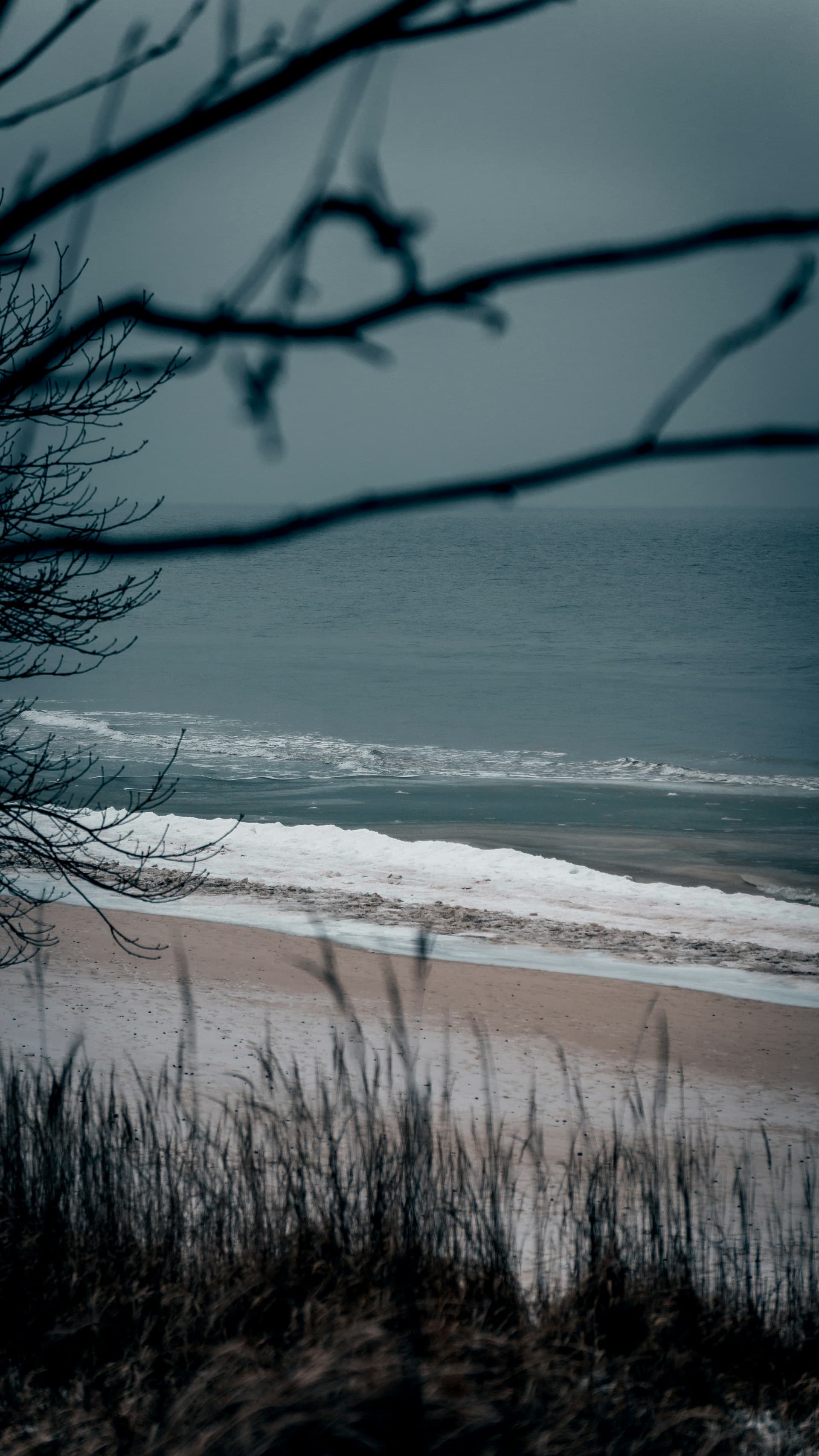
Winter in Jacksonville, NC is generally mild, but cold weather still shows up. Most afternoons reach the 50s, while nighttime temperatures regularly fall into the 30s. Frost and freezing mornings are common enough to plan for, and an occasional storm may bring snow, sleet, or freezing rain.
The temperature can change quickly. You might scrape frost from the windshield before work and be comfortable in a light jacket by afternoon. A few days later, cold rain and wind can make the same temperature feel much colder.
People moving from northern states may find the winter easy overall. People arriving from warmer climates may be surprised by how often they use the heat.
Salt & Soil Realty Group is a real estate brokerage. This post is educational local weather and lifestyle context; confirm forecasts and emergency guidance with official sources.
See year-round weather, spring weather, and fall weather.
Carroll Harrod with Salt & Soil Realty Group helps people relocating to Jacksonville, NC understand local climate, seasons, and neighborhood fit before they buy.
December Is Often Mild During the Day
December afternoons normally reach the upper 50s, with nighttime lows averaging in the upper 30s.
Some days are comfortable for walking, fishing, working in the yard, or spending time at the beach. Once the sun goes down, the temperature can drop quickly. A light jacket that felt unnecessary at lunch may be needed by dinner.
Cold fronts become more frequent during December. They may bring a period of rain, gusty wind, and much colder air behind them. Freezing nights are possible, especially later in the month.
December is a good time to disconnect garden hoses, check outdoor faucets, find the pipe insulation, and make sure the heating system is working properly. Waiting until the first hard freeze is in the forecast usually turns a small job into a rushed one.
January Is Usually the Coldest Month
January has the lowest normal temperatures of the year around Jacksonville. Afternoon highs average in the mid-50s, and nighttime lows are normally in the mid-30s.
There are still plenty of mild afternoons, but cold snaps can push temperatures well below the monthly averages. Clear, calm nights are often the coldest, particularly in open or rural areas away from pavement and buildings.
Frost is common during January. Outdoor faucets, exposed plumbing, tender plants, animal water containers, and equipment with water inside all need attention when temperatures are expected to fall below freezing.
A sunny January afternoon can feel pleasant, especially in a spot protected from the wind. Cloudy days with rain are another story. The combination of damp air, wind, and temperatures in the 40s can feel raw.
February Can Go Either Way
February begins with winter still in place, but signs of spring may show up before the month ends.
Normal highs rise toward the upper 50s, and nighttime lows remain in the upper 30s. Warm stretches can bring afternoons in the 60s or higher. A strong cold front can send the area right back into freezing weather.
That back-and-forth can make gardening tricky. A few warm days may encourage new growth, while a later freeze damages plants that came out too early. Keeping frost cloth or another plant cover handy is useful through the end of the season.
By late February, daylight is noticeably longer and outdoor projects start picking up again. For more on the change ahead, read about spring weather in Jacksonville, NC.
Snow Is Rare, but It Happens
Jacksonville averages less than an inch of snow per year. Many winters pass without measurable snowfall.
When frozen precipitation does arrive, snow may be only part of it. Sleet and freezing rain are common concerns in eastern North Carolina winter storms because the temperature can sit close to freezing at different levels of the atmosphere.
A small amount of ice can cause more trouble than a light dusting of snow. Bridges, overpasses, shaded roads, steps, decks, and driveways may become slick. Ice can also collect on trees and power lines.
Local winter events sometimes change from rain to sleet, freezing rain, or snow within a short distance. Forecast updates matter, especially when temperatures are hovering near 32 degrees.
Winter Rain Can Feel Colder Than the Forecast Looks
Jacksonville receives rain during every month of winter. Much of it arrives with low-pressure systems or cold fronts moving through the region.
A forecast of 45 degrees may sound mild to someone used to snow and single-digit temperatures. Add steady rain, a northeast wind, and damp ground, and it feels much less comfortable.
Waterproof shoes, a rain jacket, and layers are often more useful than a heavy snow coat. The goal is to stay dry and adjust as the temperature changes through the day.
Winter rain also gives property owners another chance to check gutters, downspouts, drainage, and crawlspace conditions. Leaf buildup from fall may still be blocking water, and bare trees can expose rooflines or drainage areas that were harder to see during summer.
Protecting Pipes and Outdoor Equipment
Most Jacksonville homes are built for the local climate, but exposed plumbing can still freeze during a cold snap.
Before freezing weather arrives:
- disconnect hoses from outdoor faucets
- cover exposed spigots when needed
insulate vulnerable pipes
close or protect crawlspace openings as appropriate for the home’s design
learn where the main water shutoff is located
check plumbing in garages, sheds, barns, and other unheated spaces
follow reliable local guidance on allowing faucets to drip during severe cold
If a pipe freezes, avoid using an open flame to thaw it. A plumber can help when the location or extent of the freeze is unclear.
Pressure washers, pumps, irrigation equipment, livestock watering systems, boat plumbing, and recreational vehicles may also hold water. Draining or winterizing them can prevent cracked fittings and damaged components.
Plants, Pets, and Livestock Need a Cold-Weather Plan
Tender plants may need to be moved indoors or covered before a freeze. A cover works best when it reaches the ground and traps some of the soil’s warmth. Plastic resting directly on leaves can cause damage, so frost cloth, sheets, or another breathable cover may be a better choice for many plants.
Potted plants cool faster because their roots have less insulation than plants growing in the ground. Move them against a protected wall, into a garage, or indoors when appropriate.
Outdoor animals need dry shelter, unfrozen water, and protection from wind. Bedding, housing, health, age, coat condition, and species all affect how well an animal handles cold weather. Water containers and hoses may freeze overnight even when the afternoon was mild.
Bring household pets inside during winter weather whenever possible. Check paws after walks if roads or sidewalks have been treated with salt or deicing products.
Heating and Indoor Comfort
Heating needs vary from one home to another. Construction, insulation, windows, ductwork, ceiling height, shade, and HVAC condition all affect how comfortable a property feels.
Heat pumps are common in coastal North Carolina. During colder weather, they may run for longer periods than newcomers expect. A sudden increase in energy use or a system that struggles to maintain the set temperature deserves attention.
Before winter, replace dirty filters and have ongoing HVAC problems checked. Space heaters should be kept away from curtains, bedding, furniture, and other combustible materials. Plug them directly into a wall outlet rather than an extension cord.
Homes with fireplaces or wood stoves need appropriate inspection and maintenance before use. Carbon monoxide alarms and smoke alarms should also be tested.
What People Wear During a Jacksonville Winter
Winter clothing here is mostly about layers.
Jeans, long sleeves, sweaters, hoodies, and medium-weight jackets handle many days. A heavier coat, gloves, and a warm hat are useful during cold snaps or when spending several hours outside.
Waterproof shoes and a rain jacket come in handy during damp stretches. Near the water, wind can make an otherwise mild afternoon feel colder.
It is common to dress for a cold morning and carry a jacket by lunchtime. Keeping an extra layer in the vehicle works well when the day includes an early commute, outdoor work, or an evening near the coast.
There Are Still Plenty of Outdoor Days
Winter does not shut down outdoor life around Jacksonville.
Mild afternoons can be good for hiking, fishing, paddling, working on land, visiting the beach, or catching up on home projects. Mosquitoes and humidity are usually less bothersome, and trails or wooded areas may be easier to explore after summer growth dies back.
Boaters should check wind, water temperature, and marine forecasts carefully. Cold water raises the stakes if someone falls overboard, even on a sunny day.
Winter is also a useful season for looking at land. With fewer leaves and less undergrowth, buyers may get a clearer view of slopes, drainage paths, ditches, fencing, neighboring land, and the general shape of a parcel.
Rare Winter Weather Can Disrupt the Area
Snow and ice occur infrequently enough that even a modest event may affect roads, schools, government offices, deliveries, and base operations.
Onslow County Schools may use delays, early dismissals, remote-learning options, or closures when road and weather conditions warrant them. Announcements are made through official district communication channels. Military-connected residents should also check official Camp Lejeune, MCAS New River, command, and DoDEA updates.
Road conditions can vary across the county. Bridges and shaded roads may remain icy after other pavement has improved. North Carolina transportation officials often treat major routes before forecast winter storms, but drivers are still advised to limit unnecessary travel when snow or ice is present.
Keep enough food, medication, pet supplies, and other basics on hand to avoid a last-minute store trip. A vehicle emergency kit is also useful during cold weather.
What Newcomers Often Find Surprising
The biggest surprise is usually the temperature swing. A cold morning may turn into a mild afternoon, then drop below freezing again overnight.
The damp cold catches people too. Someone who has lived through much lower temperatures may still find a rainy, windy day in the 40s uncomfortable.
Winter-weather disruptions can also seem out of proportion to the amount of snow or ice. Local roads, school schedules, and services are managed around the conditions that actually occur here. Ice is often the bigger concern, and it does not take much to create slick roads.
Frequently Asked Questions
How cold does Jacksonville, NC get in winter?
Normal daytime highs are in the mid- to upper 50s, while nighttime lows are generally in the mid- to upper 30s. Cold fronts can bring temperatures well below those averages.
No. Many winters have no measurable snow. The long-term annual average at New River MCAF is about 0.6 inches.
Yes. Freezing rain and sleet are possible when cold air is in place near the ground while warmer air moves above it. Ice may affect roads, trees, steps, and power lines.
They can. Exposed plumbing, outdoor faucets, pipes in unheated areas, and vacant homes may be vulnerable during hard freezes.
Yes. Many winter afternoons are mild enough for hiking, fishing, beach walks, land work, and other outdoor plans. Check the wind, rain, and water temperature before heading out.
Jacksonville Winters Are Mild, Not Warm Every Day
Most of the season is manageable with layers, a working heating system, and a little preparation for freezing nights. Snow is rare, while frost, cold rain, and fast temperature changes are a regular part of winter.
For homeowners, the main jobs are straightforward: protect exposed plumbing, watch the overnight forecast, keep animals and plants prepared for cold snaps, and pay attention when ice is possible.
Read our complete guide to Jacksonville, NC weather for a look at the full year. When warmer days begin returning, spring weather in Jacksonville, NC covers pollen, thunderstorms, gardening, beach conditions, and the quick move toward summer.
Carroll Harrod and Salt & Soil Realty Group can help buyers consider how a particular home, acreage parcel, or coastal property may handle drainage, crawlspace moisture, heating, exposed plumbing, trees, and other year-round ownership concerns around Jacksonville and Onslow County.
Suggested Internal Links
Our complete guide to Jacksonville, NC weather/blog/weather-in-jacksonville-nc-year-round
Spring weather in Jacksonville, NC/blog/spring-weather-jacksonville-nc
Sources Used
NOAA National Centers for Environmental Information, 1991–2020 Monthly Climate Normals for New River MCAF, including temperature, precipitation, freezing-day, and snowfall normals.
National Weather Service Newport/Morehead City, Eastern North Carolina Winter Weather Resources and Awareness Guidance.
North Carolina Emergency Management, Winter Weather Preparedness, including guidance for homes, pipes, pets, and vehicles.
Onslow County Emergency Management, Winter Storm Safety and Local Winter Weather Tips.
Onslow County Schools, Inclement Weather Closing and Delay Information.
North Carolina Department of Transportation, Winter Storm Road Treatment and Travel Guidance.
Questions about living in Jacksonville, NC? Contact Salt & Soil Realty Group.