Wildlife Habitat Management for Coastal North Carolina Land Owners
By Carroll Harrod · Salt & Soil Realty Group
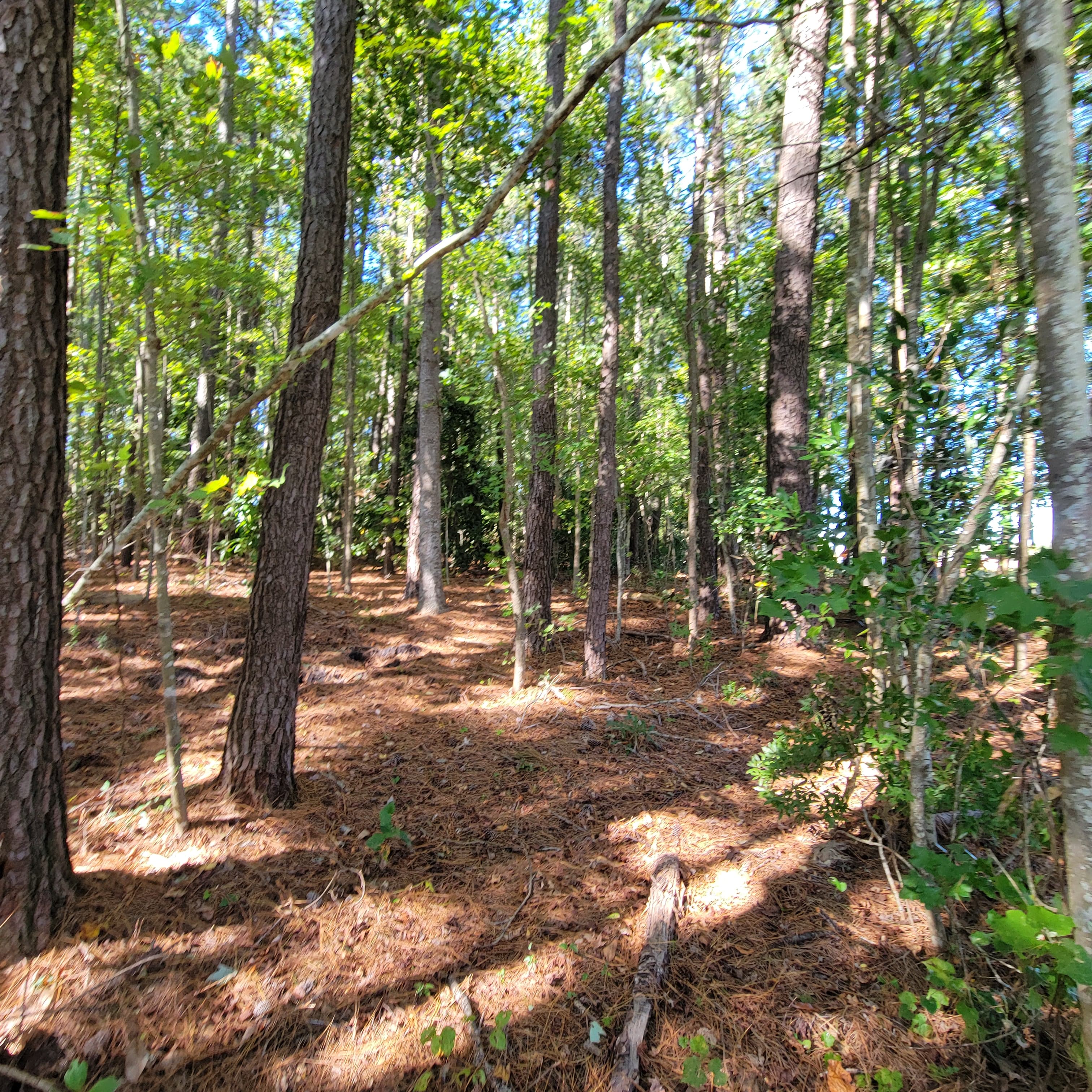
Most landowners who start asking about wildlife habitat have something practical in mind. They want better deer hunting. They want to hear more turkeys in the spring. They want ducks using a beaver pond or flooded timber. They want to understand why black bears pass through one property and not another. They want a tract that feels alive when they walk it. That is a good place to start. Wildlife habitat management is really about understanding what animals need from the land and then managing the property so those needs are met more consistently. For hunters, that may mean better hunting opportunity. For landowners, it may also mean healthier woods, better field edges, stronger wetland habitat, more pollinators, more small game, and a property that functions better over time. The basics are simple: Food, water, cover, and enough space for wildlife to use those resources. Every species uses those pieces differently. A whitetail deer does not use land the same way a wood duck does. A wild turkey poult needs different cover than a mature black bear. A rabbit needs different escape cover than a deer. But the foundation is the same. Before a landowner starts planting, clearing, mowing, burning, flooding, draining, or building, it helps to slow down and ask: What does this land already provide, what is missing, and what kind of wildlife use am I trying to improve? Salt & Soil Realty Group is a real estate brokerage, not a law firm, tax preparer, forester, or environmental consultant. This post is educational; confirm easements, wetlands, permits, and program eligibility with qualified professionals and official agencies. Related reading — land & conservation
- What is conservation? A guide for NC land owners
- What is NRCS and how can it help NC landowners?
- NC Wildlife Resources Commission guide
- North Carolina Coastal Land Trust
- Conservation easements in North Carolina
- Wetlands for coastal NC land buyers
- Prescribed fire in Eastern North Carolina Also helpful
- Buying land in coastal North Carolina
- Coastal flood zones and insurance
- Land buyer services Carroll Harrod with Salt & Soil Realty Group helps buyers and sellers of land and rural property in **Jacksonville, NC**, Onslow County, and Coastal North Carolina—including due diligence on wetlands, easements, and conservation features before you list or close. ---
Why Private Landowners Matter So Much
The North Carolina Wildlife Resources Commission says about 80 percent of North Carolina’s land is privately owned. That means wildlife habitat is shaped heavily by private landowners, not just public game lands, state parks, or conservation preserves. That matters in Coastal North Carolina because so much of our wildlife lives on farms, timberland, hunting tracts, wetlands, creek bottoms, cutover land, pine plantations, pocosins, and rural acreage. A landowner does not have to manage thousands of acres to make a difference. A small tract may benefit from better field edges and less mowing. A timber tract may need thinning, prescribed fire with qualified help, or better protection of mast-producing trees. A wet property may already have strong duck, bear, amphibian, and nongame habitat if it is managed carefully. Good wildlife habitat work starts by seeing the land clearly. A clean, shaded pine stand may look like "woods," but it may not offer much food or cover near the ground. A rough field edge may look messy, but it may be full of insects, seeds, browse, nesting cover, and escape cover. A beaver pond may look inconvenient, but it may be one of the best wildlife features on the property. The landowner’s job is not to make every acre look the same. It is to understand which parts of the property are already working for wildlife and which parts need better management.
The Basics: Food, Water, Cover, and Space
Wildlife habitat is not one single feature. It is the combination of things animals need to live. Food matters, but food alone is not enough. Water matters, but a pond with no cover may not hold much wildlife. Cover matters, but cover with no food nearby may only be used occasionally. Space matters because animals need room to move between feeding, bedding, nesting, loafing, and escape areas. For a hunting landowner, this is where the property starts to make sense. Deer may feed in an opening but bed in thick cover. Turkeys may strut in an opening but nest in cover and raise poults where insects are easy to find. Ducks may use a beaver pond when water depth, food, cover, and resting security line up. Black bears may travel through thick cover to reach mast, berries, crops, or wetland foods. The best habitat plans look at the whole property, not just one opening or one stand location.
Food: Native Forage First, Food Plots Second
This is where food plots enter the conversation. Food plots can be useful. They can create hunting opportunity, help with observation, and provide seasonal forage in the right place. A well-placed plot can make a property more huntable and give landowners a way to concentrate activity where access, wind, visibility, and safety make sense. But food plots should not be mistaken for the whole habitat plan. On many Coastal North Carolina properties, wildlife is already using native foods: acorns, greenbrier, blackberry, muscadine, honeysuckle, soft mast, young woody growth, sedges, grasses, insects, agricultural leftovers, and wetland plants. Deer, black bear, turkeys, ducks, rabbits, squirrels, songbirds, and pollinators all depend on native or natural food sources that may already be present. Often, the better question is not, "What should I plant?" The better question is:
- How do I manage the existing landscape so the native food, cover, and structure improve? That may mean letting more sunlight reach the ground. It may mean thinning timber. It may mean protecting mast trees. It may mean reducing mowing. It may mean managing field edges, wetland edges, or young growth more intentionally. Food plots have their place. But they work best when they are part of a larger habitat system, not a substitute for one.
Water: Useful Water Is More Than a Pond
Water matters, but it is not just about having a pond. In Coastal North Carolina, water shows up in many forms: ditches, branches, creeks, blackwater streams, beaver ponds, farm ponds, flooded timber, freshwater marshes, pocosins, wet flats, and low fields that hold water after storms. The question is not just whether water exists. The question is whether wildlife can use it. A deep, open pond with mowed edges may not support the same wildlife value as a beaver pond with wooded edges, shallow water, native vegetation, cover, and quiet loafing areas. NCWRC notes that beaver ponds can provide habitat for waterfowl, fish, furbearers, nongame wildlife, and endangered species, and can create quality duck habitat in many situations. (NC Wildlife) That does not mean every beaver pond is good in every location. Beavers can flood roads, timber, culverts, and fields. But before draining or removing a wet area, it is worth asking what wildlife value it already provides.
Cover: The Part Many Properties Are Missing
Cover is often the weak link. A property may have food and water, but if it lacks secure cover, wildlife may only pass through. Cover can mean bedding thickets for deer, nesting cover for turkeys, overhead screening for poults, brush piles for rabbits, cavities for wood ducks, swamp edges for bears, or thick travel corridors between feeding areas. NCWRC says white-tailed deer need browse within about four feet of the ground for much of the year, along with mast and cover. The agency also notes that disturbance such as timber harvest or burning can keep browse accessible. (NC Wildlife) That word "disturbance" matters, but it needs to be understood correctly. In habitat work, disturbance does not mean careless damage. It means planned management that resets vegetation and lets sunlight reach the ground. Timber thinning, prescribed fire, disking, mowing at the right time, or letting a cutover regrow can all create food and cover when done properly. A closed-canopy pine stand may look beautiful, but if the ground is bare and shaded, it may not offer much food or cover. A rough field edge, young cutover, thinned pine stand, or sunny native plant patch may look messy to people but be useful to wildlife.
White-Tailed Deer: Think Beyond the Food Plot
White-tailed deer are usually the first wildlife species on a hunting landowner’s mind. Deer use creek and river bottoms, oak ridges, pine forests, farmlands, and other habitats that provide food, water, and cover. For a Coastal North Carolina property, good deer habitat may include hardwood drains, oak flats, pine edges, cutover regrowth, crop fields, greenbrier thickets, blackberry, muscadine, bedding cover, and travel corridors. A food plot can help create a huntable location, but deer will not use the property well if the surrounding habitat is poor. NC State Extension’s Eastern North Carolina food plot guidance makes this point clearly: before planting a food plot, landowners should evaluate whether one is needed at all. The article notes that Eastern North Carolina often has abundant natural deer foods during much of the year, including acorns, blackberry, honeysuckle, holly, greenbrier, willow, and field crops. (Craven County Center) That is not an argument against food plots. It is an argument for putting food plots in their proper place. Use them to improve hunting opportunity, fill a seasonal gap, or concentrate observation. Do not treat them as a replacement for better native forage, cover, timber management, and low-disturbance bedding areas. Black Bear: Thick Cover, Seasonal Food, and Room to Move Black bears are a major part of the Coastal North Carolina landscape. NCWRC describes the black bear as the only bear species found in North Carolina and the eastern United States. The agency notes that black bears are now found across about 60 percent of North Carolina’s land area and are omnivores, eating both plants and animals. (NC Wildlife) For landowners, that means bear habitat is not just one thing. Bears may use pocosins, swamps, thick cutovers, hardwood bottoms, crop fields, bay forests, and pine cover. They feed on acorns, berries, fruits, insects, roots, seeds, agricultural crops, and many other seasonal foods. Good bear habitat often has three things close together: food, cover, and security. That may mean thick vegetation near mast. It may mean agricultural food near a swamp edge. It may mean a quiet travel corridor between bedding cover and feeding areas. For hunters, the temptation is to think only about bait or crops. But long-term bear use is shaped by landscape-scale habitat: connected cover, seasonal food, low human pressure, and secure places to move. Landowners should also be careful around homes, camps, barns, and trash. Habitat management should not become careless feeding around people. Bears that learn to rely on human food can become a serious problem.
Wild Turkeys: Bugs, Brood Cover, Open Woods, and Mast
Turkeys need more than a pretty field. Wild turkeys need large areas with open midstory forests, diverse mast, strategic openings, and brood habitat. Turkey poults rely heavily on insects early in life and need low-growing grasses and forbs that are open enough for young birds to move through. That last point is easy to miss. A turkey poult is small. It needs insects. It needs overhead cover. It needs to be able to walk through the vegetation. A field that is too clean may not produce enough insects or cover. A thicket that is too dense may be hard for poults to move through. A shaded pine stand may not grow enough groundcover. Good turkey habitat often comes from balance. Open woods, mast trees, native forbs, insects, nesting cover, roost trees, and well-managed openings all matter. In Coastal North Carolina, thinning, prescribed fire with qualified help, protected hardwood drains, and thoughtful edge management can improve turkey habitat where the site is suitable. A food plot may bring turkeys into a visible spot, but nesting and brood habitat usually determine whether the land is truly helping turkeys over time.
Ducks: Water, Food, Cover, and Resting Security
Ducks are different from deer, bears, and turkeys because water drives so much of their habitat use. In Coastal North Carolina, landowners may be working with beaver ponds, flooded timber, river swamps, freshwater marshes, moist-soil areas, managed impoundments, farm ponds, crop fields, or tidal-influenced wetlands. Wood ducks are one of the most familiar examples. NCWRC says wood ducks are most often found in wooded swamps, beaver ponds, freshwater marshes, and along streams and rivers near forests. They also nest in natural cavities, especially tree cavities. (NC Wildlife) NC State Extension adds that wood ducks depend on wetlands such as streamside forest, forested wetlands, and freshwater marshes for food and cover, and that broods need wetlands with emergent vegetation for overhead protection and slow-moving or still water. (NC State Extension) For a landowner, that means duck habitat is not just "water in a hole." Good duck habitat may depend on water depth, food plants, acorns, invertebrates, cover, access, and how much human pressure the area gets. Ducks may use a wetland more consistently when food, water, cover, and resting security all line up. There is research behind that idea. A USGS summary of GPS-tracked dabbling ducks found that human disturbance and hunting pressure changed duck movement and habitat use, including increased sanctuary use during hunting periods. A related peer-reviewed study reported that human-induced disturbance altered duck flight, energy use, and wetland habitat use. (USGS) That does not mean every private duck hole needs to become a formal refuge. It simply means pressure matters. If ducks are bumped constantly, shot at every time they arrive, or disturbed throughout the day, they may use the area differently or shift to safer places. Landowners should also be careful with waterfowl baiting rules. Managing natural wetland vegetation is not the same thing as baiting, and hunters should check current state and federal rules before hunting waterfowl over crops, manipulated vegetation, flooded fields, or managed wetlands. NCWRC’s waterfowl hunting guidance directs hunters to current waterfowl regulations and baiting information. (NC Wildlife)
Small Game Still Tells You a Lot
Deer, bears, turkeys, and ducks may be the main draw, but small game still matters. Rabbits need brushy cover, field edges, old field structure, and escape cover. Squirrels need mast-producing trees and den sites. Quail need early successional cover, bare ground, insects, seeds, and cover they can move through. Doves need seed-producing areas and open ground. When small game disappears, it may be a sign the property has become too clean, too shaded, too simplified, or too fragmented. Better small game habitat usually helps other wildlife too. Brushy edges help songbirds. Native forbs support insects. Insects help turkey poults and quail chicks. Mast trees feed deer, squirrels, turkeys, ducks, and bears. A property that supports small game often has more structure and diversity than one managed only for a single species.
Nongame Wildlife Is Not Separate From Hunting Habitat
Hunters sometimes think of nongame wildlife as a separate category. It really is not. Songbirds, frogs, turtles, salamanders, snakes, bats, pollinators, mussels, insects, and other nongame animals are part of the same habitat system that supports game species. NCWRC notes that private landowner habitat work can benefit common and rare species, game and nongame species alike. (NC Wildlife) That matters even on hunting land. A property with good insect production helps turkey poults. A wetland that holds ducks may also support frogs, turtles, and wading birds. Native plant diversity that helps pollinators can also produce deer browse, turkey insects, rabbit cover, and seed for birds. Good hunting land is usually good wildlife land.
Food Plots: Useful Tool, Not the Whole Toolbox
Food plots have a place. A well-planned food plot can create hunting opportunity, help with observation, provide seasonal forage, and add diversity to a property. NCWRC says food plots can provide browse for deer and turkeys, seeds for quail and doves, and insect habitat for turkey poults and quail chicks. (NC Wildlife) The mistake is treating food plots like the main source of wildlife nutrition. On many Coastal North Carolina properties, a food plot is more of a hunting and observation tool than a primary subsistence tool. It can help bring wildlife into a place where the landowner can see, photograph, or harvest animals. It can fill a gap. It can improve the usefulness of an opening. But it should not distract from managing native forage, cover, water, mast, timber structure, wetlands, and disturbance. Mississippi State University’s deer food plot guidance makes the same general point: there is no magic forage, and food plots are not a substitute for habitat management. (ScienceDirect) That is the right mindset. Plant where it helps. But manage the land first.
Better Management of the Existing Landscape
Many landowners already have the pieces of good habitat. They just need better arrangement or management. That may mean:
Letting sunlight reach the forest floor.
Keeping good mast trees. Creating or protecting thick cover. Managing field edges instead of mowing them clean. Controlling invasive plants.
Protecting wetland edges and hardwood drains.
Using prescribed fire where appropriate and with qualified help.
Thinking about hunting pressure and access.
Letting some areas be quiet. The goal is not to make the property look manicured. Wildlife does not need manicured. Wildlife needs usable. A good habitat plan may include food plots, but it should also ask what the existing woods, fields, wetlands, edges, and water are already doing.
Authoritative Resources for Landowners
A landowner does not need to figure all this out alone. The North Carolina Wildlife Resources Commission is one of the best starting points for private land wildlife habitat guidance in North Carolina. Its conservation biologists can help landowners think through habitat goals and property conditions. (NC Wildlife) The U.S. Fish and Wildlife Service’s Partners for Fish and Wildlife Program is another resource. The program works with private landowners on voluntary habitat restoration, and its current program page says all private landowners interested in restoring wildlife habitat on their land are eligible to participate. (U.S. Fish and Wildlife Service) For deer-specific learning, Mississippi State University Extension and the Mississippi State Deer Lab are useful because they focus on deer nutrition, native forage, and habitat science rather than food plot marketing. For turkey habitat, the National Wild Turkey Federation offers practical landowner resources. For deer hunters who remember the old Quality Deer Management Association name, the National Deer Association notes that it formed in 2020 through a merger of the National Deer Alliance and the Quality Deer Management Association. (Deer Association) Locally, NC State Extension, NC Forest Service, county Cooperative Extension offices, consulting foresters, and qualified wildlife professionals can help connect general habitat ideas to the actual land.
What Landowners Should Verify Before Starting Work
Before cutting, burning, planting, flooding, draining, spraying, disking, or building, landowners should slow down and ask a few practical questions. What wildlife am I managing for first?What does the property already provide?What is missing: food, water, cover, or space?Where are the best native food sources?Where is the secure cover?Where does wildlife travel?Where is hunting pressure helping or hurting my goal?Are wetlands, streams, floodplains, or permits involved?Do I need NCWRC, NRCS, NC Forest Service, Extension, or a qualified consultant involved? Some habitat practices are simple. Others involve forestry, prescribed fire, wetlands, herbicides, water control, contracts, or permits. Those topics need site-specific guidance.
Common Mistakes Landowners Make
Thinking food plots are wildlife management
Food plots are one tool. They are not the whole system. If the surrounding habitat is poor, a food plot may not solve the real problem.
Mowing everything clean
Many landowners accidentally remove cover, seed heads, insects, browse, and nesting habitat by mowing too much. Clean is not always better.
Ignoring native forage
Native plants often provide excellent forage for deer, bears, turkeys, ducks, rabbits, songbirds, and pollinators. Sometimes the best improvement is not planting something new, but managing what is already trying to grow.
Forgetting cover
Wildlife needs places to hide, bed, nest, loaf, raise young, and escape pressure. Food without cover often creates nighttime use instead of daytime opportunity.
Managing for only one animal
A deer-only plan may miss turkey brood habitat. A duck-only plan may ignore upland nesting or pressure. A clean turkey opening may not help rabbits or pollinators. Good habitat planning looks at how species overlap.
Not checking rules
Waterfowl baiting, prescribed fire, wetlands, timber work, cost-share programs, herbicides, and certain land alterations can involve rules, permits, contracts, or professional guidance. Landowners should verify before acting.
Bottom Line
Wildlife habitat management is not just planting food plots. For Coastal North Carolina landowners, good habitat starts with food, water, cover, and space. Deer, black bear, turkeys, ducks, small game, and nongame wildlife all need those basics, but they use them in different ways. Food plots can help create hunting opportunity. They can be useful. But they are usually a supplement to the real habitat system: native plants, mast trees, thick cover, wetlands, thinned woods, managed field edges, water, prescribed fire where appropriate, and thoughtful hunting pressure. If you are buying, selling, or managing hunting land in Coastal North Carolina, Carroll Harrod and Salt & Soil Realty Group can help you think through the real estate side of wildlife habitat: access, wetlands, timber, food plot potential, bedding cover, water, neighboring land use, marketability, and long-term property function.
Frequently Asked Questions
What are the basic needs of wildlife habitat?
Wildlife needs food, water, cover, and enough space to use those resources safely. Different species use those basics differently, but the foundation is the same.
Not always. Food plots can help create hunting opportunity, but many Coastal North Carolina properties already have strong natural forage. Better cover, native plant diversity, mast trees, timber management, and edge habitat may matter more than another plot.
Deer use many native and natural foods, including acorns, greenbrier, blackberry, honeysuckle, soft mast, vines, leaves, buds, mushrooms, and young woody growth. They may also use agricultural crops where available.
Wild turkeys need a mix of open woods, mast, insects, nesting cover, brood habitat, roost trees, and openings. Poults rely heavily on insects early in life, so brood cover should be open enough for movement and rich enough to support bugs.
Yes, in some situations. Beaver ponds, wooded swamps, freshwater marshes, moist-soil areas, and managed wetlands can all support ducks. Landowners should be careful with water control, wetland rules, hunting pressure, and baiting laws, and should seek guidance from NCWRC, U.S. Fish and Wildlife Service, or qualified professionals.
Sources and References
-
North Carolina Wildlife Resources Commission, private lands and landowner habitat resources. Used for private landowner role, NCWRC biologist assistance, and game/nongame habitat context. (NC Wildlife)
-
NCWRC, white-tailed deer habitat guidance. Used for deer browse, mast, cover, and disturbance-as-habitat-management context. (NC Wildlife)
-
NCWRC, white-tailed deer species profile. Used for deer habitat types and food-water-cover context. (NC State Extension)
-
NCWRC, black bear species profile. Used for black bear distribution, diet, and statewide habitat context. (NC Wildlife)
-
NCWRC, eastern wild turkey habitat guidance. Used for turkey food, brood habitat, insects, cover, openings, and forest structure context. (NC Wildlife)
-
NCWRC, wood duck species profile, and NC State Extension wood duck publication. Used for wood duck habitat, nesting cavities, wooded wetlands, and brood cover context. (NC Wildlife)
-
NCWRC, beaver management. Used for beaver pond wildlife and waterfowl habitat context. (NC Wildlife)
-
NCWRC, waterfowl hunting guidance. Used for waterfowl regulation and baiting caution. (NC Wildlife)
-
U.S. Fish and Wildlife Service, Partners for Fish and Wildlife Program. Used for voluntary private-land habitat restoration resource context. (U.S. Fish and Wildlife Service)
-
Mississippi State University Extension, native deer forage and food plot resources. Used for deer diet, native forage, and food plot limitations. (Craven County Center)
-
NC State Extension, "Planning a Deer Food Plot in Eastern NC." Used for Eastern North Carolina food plot context and the recommendation to evaluate whether a food plot is needed before planting. (Craven County Center)
-
National Wild Turkey Federation, landowner habitat guidance. Used for the food, water, cover, and space framework. (North Carolina Wildlife Federation)
-
USGS and Journal of Environmental Management, duck disturbance and sanctuary-use research. Used to support the carefully limited point that hunting pressure and human disturbance can affect duck movement and wetland use. (USGS)
-
National Deer Association, organization background. Used for the note that the former Quality Deer Management Association is now part of the National Deer Association. (Deer Association) --- Questions about land or rural property in Coastal North Carolina? **Contact Salt & Soil Realty Group**.