Conservation Easements in North Carolina: What Land Owners Should Know
By Carroll Harrod · Salt & Soil Realty Group
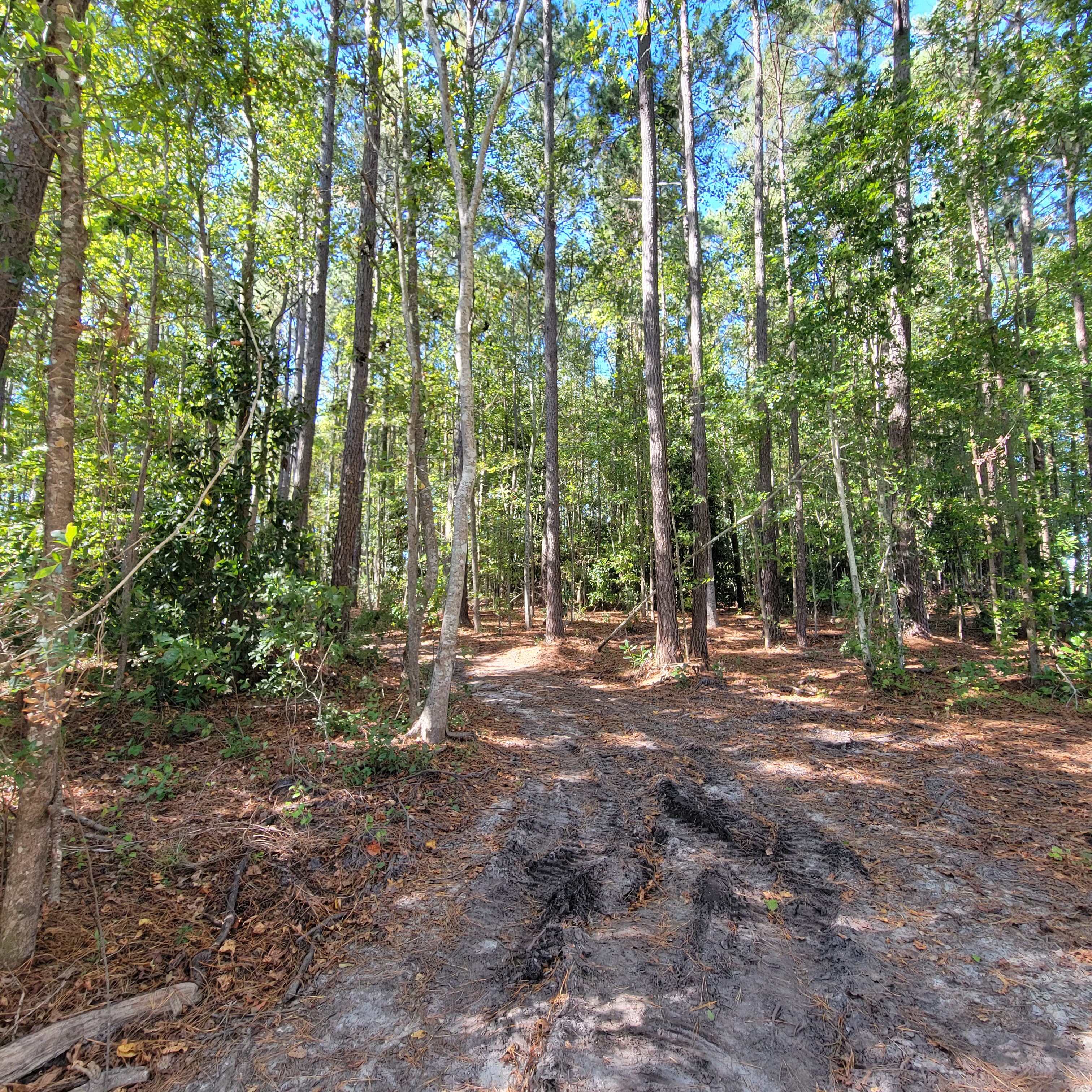
Some land owners look at their farm, timber tract, wetland, waterfront property, hunting land, or family acreage and think: "I want this land to stay the way it is after I’m gone." That is where a conservation easement may come into the conversation. A conservation easement is one of the strongest tools a private land owner can use to protect land long term. In many cases, it is designed to last beyond the current owner’s lifetime and apply to future owners as well. That long-term protection is the main reason people use it. But a conservation easement is not a simple handshake, and it is not right for every property or every family. It can protect land in powerful ways, but it can also limit future uses, affect resale, narrow the buyer pool, and shape what heirs or future owners can do with the property. The best way to think about it is this: A conservation easement can help keep land from being changed in ways the current land owner wants to prevent — but the written terms matter more than the general idea. Salt & Soil Realty Group is a real estate brokerage, not a law firm, tax preparer, forester, or environmental consultant. This post is educational; confirm easements, wetlands, permits, and program eligibility with qualified professionals and official agencies. Related reading — land & conservation
- What is conservation? A guide for NC land owners
- What is NRCS and how can it help NC landowners?
- NC Wildlife Resources Commission guide
- North Carolina Coastal Land Trust
- Wetlands for coastal NC land buyers
- Wildlife habitat management in coastal NC
- Prescribed fire in Eastern North Carolina Also helpful
- Buying land in coastal North Carolina
- Coastal flood zones and insurance
- Land buyer services Carroll Harrod with Salt & Soil Realty Group helps buyers and sellers of land and rural property in **Jacksonville, NC**, Onslow County, and Coastal North Carolina—including due diligence on wetlands, easements, and conservation features before you list or close. ---
- What Is a Conservation Easement? A conservation easement is a voluntary legal agreement that limits certain uses of land in order to protect conservation values. In North Carolina, conservation agreements are authorized under the state’s Conservation and Historic Preservation Agreements Act. State law provides for conservation agreements to be recorded in the county Register of Deeds office, which is one reason they can affect future owners, not just the person who signs the original agreement. (North Carolina General Assembly) In plain English, a land owner gives up or limits certain development rights, while keeping ownership of the land. The easement is usually held by a qualified organization, such as a land trust or public agency, that has the right to monitor and enforce the agreement. The land may still be privately owned. It may still be sold. It may still be inherited. It may still be farmed, forested, hunted, or managed in certain ways if the easement allows those uses. But the land is no longer unrestricted. "In Perpetuity" Means Beyond the Current Owner The most important word in many conservation easements is perpetuity. Perpetuity means the restrictions are meant to continue forever. Not just for the current land owner. Not just for the next buyer. Not just for one generation. The North Carolina Coastal Land Trust explains conservation easements as legal agreements that place permanent restrictions on land and its uses to protect the property’s special characteristics, and that those easements remain with the land regardless of future ownership. (NC Coastal Land Trust) NC State Extension similarly explains that conservation easement restrictions run with the land and apply to future owners. (NC State Extension) That is what makes conservation easements so useful for land owners who want long-term protection. A will can transfer land. A family conversation can express wishes. A management plan can guide current use. But a properly written and recorded conservation easement can keep certain protections attached to the land itself. For a land owner whose main goal is, "I do not want this farm divided into house lots after I’m gone," or "I want this wetland and timberland protected for the long run," a conservation easement may be worth exploring.
A Conservation Easement Does Not Always Take Land Out of Production
One of the biggest misunderstandings is that every conservation easement turns land into untouched wilderness. That is not true. Some easements are written to protect natural areas with very limited disturbance. Others are written to keep working land working. A farm easement may be designed to keep cropland, pasture, or farm soils available for agriculture. A forest easement may allow timber management under certain standards. A hunting property may continue to support wildlife management and recreation if the easement allows those uses. NRCS, the Natural Resources Conservation Service, describes Agricultural Land Easements as a way to protect cropland, grassland, pastureland, rangeland, and nonindustrial private forest land from conversion to non-agricultural uses. The program is specifically aimed at keeping working lands available for agriculture and related conservation values. (Natural Resources Conservation Service) For a land owner, that means a conservation easement can sometimes protect production instead of ending it. A cropland easement may keep land available for farming. A working forest easement may limit subdivision while still allowing timber management. A farm easement may allow barns, fences, farm roads, drainage maintenance, or other agricultural uses if those rights are clearly reserved. The key phrase is if the easement allows it.
The Written Easement Controls
A conservation easement is not based on what someone casually says it will allow. It is based on the recorded document. That document usually explains what is protected, what is prohibited, what is allowed, what requires approval, who monitors the property, and what happens if the agreement is violated. NC DEQ’s stewardship guidance tells landowners to review the recorded conservation easement for the rights specifically reserved to the landowner. It also notes that conservation easements are recorded with the Register of Deeds and remain in place with each change in land ownership. (NC Department of Environmental Quality) This matters because two easements can look very different. One easement may allow row crop production but limit subdivision. Another may allow timber harvesting only under a forest management plan. Another may protect a stream buffer and prohibit clearing inside that area. Another may allow hunting but limit permanent structures, roads, or motorized access in the easement area. The title "conservation easement" does not tell you enough. You have to read the terms.
Different Kinds of Conservation Easements
There is no single cookie-cutter conservation easement. Easements are usually built around the conservation values of the land and the goals of the land owner, easement holder, and any funding source involved. Here are common categories North Carolina land owners may encounter.
Agricultural Conservation Easements
An agricultural conservation easement is usually designed to keep farmland, pasture, or other working agricultural land from being converted to development. This type of easement may be a fit when the goal is to protect productive soils, open farm ground, grazing land, or a working farm landscape. Depending on the terms, the land may still be farmed, leased, improved for agriculture, or passed to another farm operator. This is the kind of tool a land owner may consider when the goal is not "stop farming," but rather "keep this land available for farming."
Working Forest Easements
A working forest easement can protect timberland from subdivision or development while allowing forestry to continue under certain conditions. For example, the easement may require timber management to follow an approved forest management plan. It may limit clearcut size, protect stream buffers, restrict conversion to non-forest uses, or require attention to soil and water quality. For a timberland owner, the goal may be to prevent the land from being broken apart while still allowing responsible timber income and forest stewardship.
Wetland and Restoration Easements
Some easements are focused on wetlands, streams, floodplain areas, or restoration projects. NRCS Wetland Reserve Easements are one example. NRCS says eligible land includes privately held farmed or converted wetlands that were previously degraded by agricultural uses and can be restored successfully and cost-effectively. The program is aimed at restoring, protecting, and enhancing wetland functions and values. (Natural Resources Conservation Service) These easements may be more restrictive than a working farm or forest easement because the purpose is often restoration or long-term protection of wetland functions. Hunting, fishing, and passive recreation may be allowed in some cases, but farming, timbering, clearing, grading, roads, or other uses may be limited depending on the agreement.
Wildlife Habitat Easements
A habitat-focused easement may protect longleaf pine, wetlands, pocosins, wildlife corridors, rare species habitat, riparian buffers, or other important natural areas. Some habitat easements may allow active management. That can matter in Coastal North Carolina, where certain habitats may need prescribed fire, thinning, invasive plant control, or other planned work to stay healthy. The important question is whether those management tools are allowed, required, or restricted by the easement.
Scenic, Historic, or Open Space Easements
Some easements protect scenic views, historic landscapes, river corridors, public-facing open space, or land near parks, military installations, or existing conserved areas. These easements may focus less on production and more on limiting visual change, subdivision, dense development, or uses that conflict with the protected character of the property.
- Can an Easement Allow Land Use Changes? Yes, sometimes. A conservation easement does not have to freeze every acre in its exact current condition unless that is how it is written. Some easements can allow reasonable land use changes that still fit the conservation purpose. For example, an easement on cropland might allow the land to remain in crop production, but also allow parts of the property to be converted to pasture, managed forest, pollinator habitat, field borders, or wildlife habitat. A forest easement might allow timber harvest, replanting, firebreaks, habitat improvements, or road maintenance under an approved plan. NC State Extension explains that conservation easement restrictions are tailored to the conservation values of the land, the landowner’s goals, the easement holder’s goals, and the requirements of funders. (NC State Extension) That flexibility needs to be written into the easement before it is signed. If a land owner wants the option to shift cropland into timber, create wildlife openings, maintain farm roads, build a future barn, keep a reserved homesite, or continue hunting improvements, those possibilities need to be discussed early with the land trust, attorney, agency, appraiser, and other professionals involved. Do not assume the flexibility will be there later.
What Easements Commonly Restrict
Every easement is different, but conservation easements commonly restrict the activities most likely to damage the protected conservation values. That may include subdivision, dense residential development, commercial development, industrial activity, mining, large impervious surfaces, dumping, unapproved road construction, wetland impacts, major grading, or certain types of timber harvest. NC State Extension gives examples of activities that may be prohibited or restricted, including industrial use, mineral exploration, soil excavation, subdivision, residential development, road and infrastructure expansion, and extensive timbering. (NC State Extension) That does not mean every easement prohibits all of those activities. It means those are the kinds of activities often addressed. For a land owner, the practical question is:
- What future uses do I want to prevent, and what future uses do I want to keep available?
- Permanent Easements vs. Temporary Agreements
- This is another place where people get confused. Not every conservation-related agreement lasts forever. But many conservation easements used for long-term land protection are meant to be permanent.
Permanent Conservation Easements
A permanent conservation easement is intended to protect land in perpetuity. This is the tool most land owners are thinking about when they say, "I want this land protected after I’m gone." Permanent easements are the strongest fit for legacy protection. They are also the most serious because future owners remain bound by the restrictions. This is why a land owner should not sign a permanent easement just because it sounds good. The agreement should match the land, the family’s long-term goals, the realistic future uses, and the market consequences.
Temporary or Term-Limited Easements and Agreements
There are also term-limited conservation tools. NRCS Wetland Reserve Easements include permanent easements, 30-year easements, term easements for the maximum duration allowed under state law, and certain 30-year contracts available only for acreage owned by Indian tribes. (Natural Resources Conservation Service) North Carolina also has Voluntary Agricultural District and Enhanced Voluntary Agricultural District programs. NC State Extension explains that these conservation agreements are different from perpetual conservation easements. In the Enhanced Voluntary Agricultural District context, conservation agreements are generally irrevocable for 10 years and automatically renew for 3 years unless timely notice is given. (Farm Law) North Carolina law also states that Enhanced Voluntary Agricultural District conservation agreements are irrevocable for at least 10 years and automatically renew for 3 years unless notice is given as prescribed by the local ordinance. (North Carolina General Assembly) For a land owner, the distinction is important. A temporary agreement may help keep land in agriculture or conservation use for a period of time. A permanent conservation easement is meant to shape the land’s future indefinitely. They are not the same planning tool.
Why Land Owners Use Conservation Easements
The strongest reason is usually legacy. A land owner may not want to see a farm divided. They may want a wetland, creek, or forest protected. They may want wildlife habitat to remain intact. They may want a working farm or forest to stay available for production instead of becoming a subdivision. A conservation easement can give those wishes legal weight. It can also help make future ownership clearer. Instead of heirs arguing over whether the land should be sold for development, the easement may already define what cannot happen. But it is not a substitute for estate planning. NC State Extension notes that a conservation easement does not determine who owns the property in the future; it restricts certain rights in the land, while ownership still passes through a will, trust, deed, intestate succession, or another transfer method. (NC State Extension) That means land owners who care about both protection and succession should talk with an estate attorney, not just a land trust.
How a Conservation Easement Can Affect Future Market Demand
A conservation easement can change the market for land. That is not automatically good or bad. It depends on the property and the buyer. A permanent easement may reduce demand from buyers who want subdivision potential, commercial use, dense residential development, unrestricted timber conversion, or maximum flexibility. At the same time, it may increase interest from buyers who want protected habitat, working farm ground, managed timberland, privacy, open space, hunting land, water resources, or a property that cannot easily be carved up around them.
The buyer pool becomes more specific.
That is why conservation easements can affect value and marketability. A protected farm may appeal strongly to conservation-minded farmers, rural land buyers, and buyers who want long-term stewardship. It may not appeal to a developer or a buyer who wants full control over future land use. A land owner should be honest about that tradeoff. The easement may protect what matters most, but it can also reduce the number of future uses available.
- Can Land Under Easement Still Be Sold? Yes, usually. A conservation easement does not normally stop the owner from selling the land. But the buyer takes the land subject to the easement. That means the buyer must understand the restrictions before closing. NC DEQ recommends that sellers provide buyers with a copy of the conservation easement and survey plat, and it recommends that prospective buyers review the easement documentation before purchasing a property with a conservation easement. (NC Department of Environmental Quality) For sellers, the goal is transparency. Do not hide the easement. Do not summarize it loosely. Do not say, "It just means it can’t be developed," if the document says much more than that. For buyers, the goal is due diligence. Read the easement. Review the survey. Understand the reserved rights. Ask what is allowed, what is prohibited, and who must approve future work.
- Does a Conservation Easement Require Public Access? Not necessarily. This is one of the most common concerns land owners have. Some conserved lands become public parks, preserves, trails, or boat access sites. But many private conservation easements do not require public access. NC State Extension notes that many conservation easements on private land do not require public access. (NC State Extension) If public access is allowed or required, that should be clearly addressed in the easement. If a land owner wants the property to remain private, that needs to be discussed before the agreement is written.
- Can a Permanent Easement Be Changed Later? Sometimes, but land owners should not rely on that. Permanent conservation easements are intentionally difficult to undo. That is part of why they work. North Carolina law has a process for modification or termination in certain situations involving public bodies, including conservation benefit analysis requirements. The statute also allows parties to include provisions requiring grantor or successor consent for termination or modification. (North Carolina General Assembly) NC State Extension cautions that landowners should not make easement decisions based on the assumption that the easement can later be revoked or modified. (NC State Extension) For a land owner, the practical advice is simple: Write the easement as if it will matter forever, because that is usually the point.
What Land Owners Should Think Through Before Pursuing an Easement
Before contacting a land trust or agency, it helps to get clear on your goals. Ask yourself:
- What do I most want to prevent?
- What do I want future owners to still be able to do?
- Should the land remain in crops, pasture, timber, hunting, wildlife habitat, or a mix of uses?
- Are there homesites, barns, roads, ponds, wells, utilities, or access routes that should be reserved?
- Would I ever want to divide the land?
- Do my heirs understand what permanent protection would mean?
- Would the land still be useful and marketable under the restrictions I am considering?
- What maintenance or management will the property need after the easement is recorded? The best easement conversations begin before the document is drafted.
Who Should Be Involved?
A conservation easement is a serious real estate and legal decision. A land owner should not handle it casually. Depending on the property, the team may include:
- A land trust or public agency that may hold the easement.
- A real estate attorney familiar with conservation easements.
- A CPA or tax professional.
- A qualified appraiser.
- A surveyor.
- A consulting forester, farm advisor, or wildlife professional.
- A lender, if the property has a mortgage.
- Family members or heirs who may be affected. A real estate advisor who understands rural land and future marketability. If the easement involves NRCS, state funding, a land trust, a county Soil and Water Conservation District, or another public program, there may be additional eligibility, title, appraisal, survey, and timing requirements.
Common Misunderstandings About Conservation Easements
"Every conservation easement takes land out of production."
No. Some easements are specifically designed to keep land in farming, grazing, forestry, or other working land uses. The permitted uses depend on the written easement.
"If I sign an easement, I no longer own the land."
Usually no. In many conservation easements, the land owner keeps ownership but gives up or limits certain rights. The easement holder has the right to monitor and enforce the restrictions.
"A conservation easement is just for rich landowners or huge properties."
Not always. Easements are more common on properties with strong conservation value, but the right fit depends on the land, the organization’s priorities, funding, and long-term stewardship capacity.
"I can always change it later."
Do not assume that. Permanent easements are meant to last. Amendments or terminations can be difficult and may require legal, agency, or conservation review.
"An easement automatically creates tax savings."
No. Some conservation transactions may involve payment, donation value, estate planning considerations, property tax effects, or federal income tax issues, but none should be assumed. Tax treatment depends on the land, transaction, appraisal, documentation, law, and the land owner’s situation.
Bottom Line
A conservation easement is one of the clearest tools a North Carolina land owner can use to protect land beyond their own lifetime. It can help keep a farm from being subdivided, protect timberland from development, preserve wetlands or wildlife habitat, maintain open space, or keep working land available for future generations. It can also be written to allow continued production, such as farming, forestry, hunting, or habitat management, when those uses fit the conservation purpose. But permanent protection comes with real consequences. A conservation easement can affect future use, future buyers, market demand, family decisions, financing, management, and resale. That is why the terms should be practical, clear, and carefully reviewed before they are recorded. If you are buying, selling, or considering conserving land in Coastal North Carolina, Carroll Harrod and Salt & Soil Realty Group can help you think through the real estate side of the decision: land use, marketability, buyer expectations, easement due diligence, habitat, access, and long-term property function.
Frequently Asked Questions
What is a conservation easement in North Carolina?
A conservation easement is a voluntary legal agreement that limits certain uses of land to protect conservation values. In many cases, it is recorded with the county Register of Deeds and applies to future owners.
Many conservation easements are permanent and are designed to last in perpetuity. Some conservation-related agreements or program easements are term-limited, such as certain 10-year farmland district agreements or 30-year wetland reserve options. The document and program rules control.
Sometimes, yes. Many easements are written to protect working farms, pasture, timberland, or managed forest land. Farming or forestry rights must be clearly reserved in the easement and may be subject to management plans or limits.
Usually, yes. A conservation easement does not normally stop a sale, but the buyer takes the property subject to the easement restrictions. Sellers should provide the easement and survey to buyers early in the process.
It depends. An easement may reduce value for buyers who want development rights or unrestricted future use. It may increase appeal for buyers who want protected land, habitat, farming, timber, privacy, or long-term stewardship. Landowners should consult an appraiser, attorney, CPA, and qualified real estate advisor before relying on any value assumption.
Sources and References
-
North Carolina General Statutes, Chapter 121, Conservation and Historic Preservation Agreements Act. Used for North Carolina conservation agreement recording, modification, termination, and tax-assessment context. (North Carolina General Assembly)
-
NC State Extension, "Conservation Easements and Agreements: Obligations, Modification and Termination." Used for North Carolina easement basics, perpetuity, future owners, working farm and forest land, restrictions, modification caution, and public access context. (NC State Extension)
-
North Carolina Coastal Land Trust, "How." Used for conservation agreement explanation, permanent restrictions, and land staying protected regardless of future ownership. (NC Coastal Land Trust)
-
USDA NRCS, Agricultural Land Easements. Used for working land easement purpose, eligible land types, long-term agricultural viability, and permanent or maximum-term duration. (Natural Resources Conservation Service)
-
USDA NRCS, Wetland Reserve Easements. Used for permanent, 30-year, term easement, wetland restoration, and enrollment option descriptions. (Natural Resources Conservation Service)
-
USDA NRCS North Carolina, Agricultural Land Easements. Used for North Carolina-specific eligibility, eligible partners, and application pathway context. (Natural Resources Conservation Service)
-
NC State Extension, "The VAD/EVAD Conservation Agreement Requirement." Used for temporary farmland agreement distinctions, 10-year terms, and automatic renewal context. (Farm Law)
-
North Carolina General Statutes, Chapter 106, Article 61. Used for Enhanced Voluntary Agricultural District conservation agreement term and renewal language. (North Carolina General Assembly)
-
NC DEQ Stewardship Program, "Living with your Conservation Easement." Used for recorded easement, reserved rights, stewardship, sale, and buyer review guidance. (NC Department of Environmental Quality) --- Questions about land or rural property in Coastal North Carolina? **Contact Salt & Soil Realty Group**.