Check septic, wetlands, access | ENC 2026
By Carroll Harrod · Salt & Soil Realty Group · Updated September 14, 2026
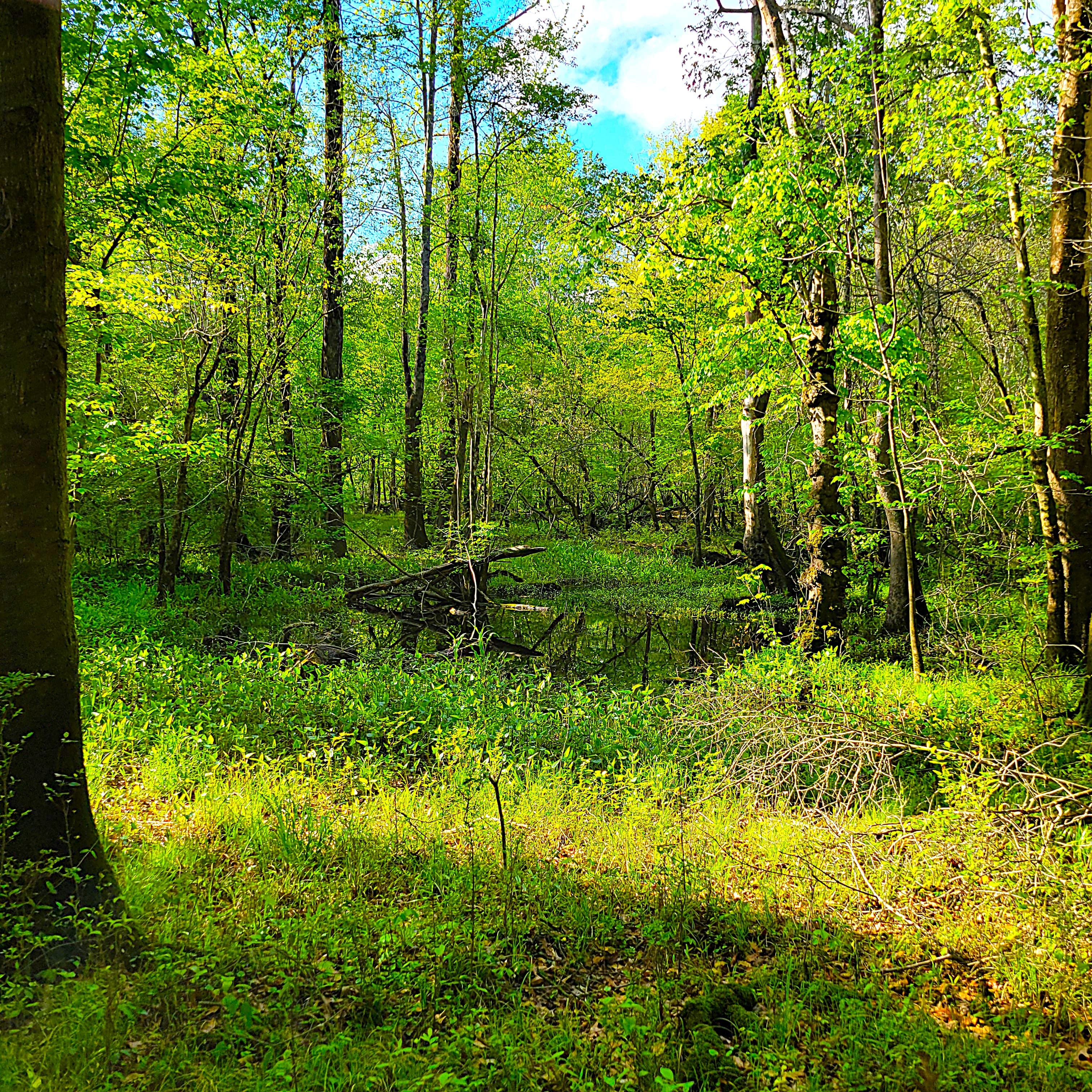
Buying land in Eastern North Carolina can feel simple at first.
You find a piece of ground that looks right. Maybe it has woods, road frontage, a cleared homesite, a creek, pasture, timber, or enough acreage for the kind of setup you have been picturing.
Then the real questions start.
Salt & Soil Realty Group is a real estate brokerage, not a surveyor, engineer, septic installer, or environmental consultant. This post is educational; confirm land, wetland, septic, and access questions with licensed professionals before closing.
See wetlands for coastal NC land buyers, buying land in coastal North Carolina, and land buyer services.
Carroll Harrod with Salt & Soil Realty Group helps buyers of land and rural property in Jacksonville, NC, Onslow County, and Coastal North Carolina—including septic, wetlands, and access due diligence.
Can it support a septic system?
- Is any of it wetlands?
- Can you legally access it?
- Is the road public or private?
- Is it in a flood zone?
- Can you build where you want to build?
- Can you clear it, fence it, farm it, hunt it, subdivide it, or place the type of home you want there?
This is where buying land gets very different from buying a standard house.
With a house, the basic use is usually easier to see. With land, you are often buying possibility.
Possibility needs to be verified.
Quick Answer: What Should You Check Before Buying Land in Eastern NC?
Before buying land in Eastern North Carolina, check septic suitability, legal access, road maintenance, wetlands, floodplain, zoning, deed restrictions, utilities, survey issues, easements, CAMA or coastal rules, and whether your lender can finance the property.
North Carolina’s due diligence process is designed to give buyers time to investigate the property and transaction. NCREC explains that due diligence is the buyer’s opportunity to look into anything that may affect the decision to move forward or terminate, including inspections, septic inspections, surveys, appraisal, title search, loan qualification, and repair negotiations. (NCREC Bulletins)
For land, that investigation is often more important than the first impression.
A pretty tract is only a good buy if it can actually do what you need it to do.
Do Not Fall in Love Before Due Diligence
Land buyers get in trouble when they fall in love with the idea of the property before they understand the property itself.
That does not mean you should be cold about it. Land is personal. It should make you excited.
But in Eastern NC, the prettiest part of a tract may not be the best build site. The dry-looking area may not support septic. The wet-looking area may be regulated. The driveway may need an easement. The road may not be state-maintained. The county may not allow the use you have in mind. The back acreage may be hard to access.
A good land purchase starts with one question:
- Can this property actually support my intended use?
- Everything else comes after that.
Septic Comes First for Many Rural Land Buyers
If the property does not have access to public sewer, septic becomes one of the most important questions in the entire purchase.
A lot of buyers look at acreage and assume there must be enough room for a house.
Maybe there is.
Maybe there is not.
Septic approval is not based on acreage alone. It depends on soil conditions, drainage, depth to seasonal high water table, setbacks, system design, repair area, and county review. North Carolina’s onsite wastewater rules address improvement permits, construction authorizations, operation permits, site and soil reports, and the responsibility of owners to comply with permit conditions. (Environmental Health Section)
In Eastern North Carolina, soils can vary across the same tract. One section may work. Another may be too wet, too low, too restrictive, or too close to a ditch, stream, wetland, or other limiting feature.
What to Ask About Septic Before You Make an Offer
Before buying land, ask:
- Is there an existing septic permit?
- Is there an old improvement permit?
- Has the permit expired?
- Was the property ever denied for septic?
- What size home was the permit designed to support?
- Where is the proposed septic area?
- Where is the repair area?
- Has a soil scientist or authorized evaluator reviewed the property?
- Is the property suitable for a conventional system, or would it need a more complex system?
- Is there enough usable land after setbacks?
- Are wetlands, ditches, ponds, or streams affecting the septic area?
- Does the buyer need more bedrooms than the permit supports?
- That last question matters.
Septic capacity is often tied to bedroom count, not just square footage. If a tract was permitted for fewer bedrooms than you need, do not assume it can automatically support a larger home.
A Septic Permit Can Shape the Whole Property Plan
A septic permit is not just a piece of paper.
It can affect:
- House placement
- Driveway layout
- Well location
- Garage or shop placement
- Future pool plans
- Barn location
- Fencing
- Tree clearing
- Drainage work
- Future additions
Resale value
The repair area matters too. Many properties need a designated area for a future replacement system. That area may limit where you can build, pave, plant, drive heavy equipment, add a shop, or install a pool.
Do not treat the unused part of the lot as free space until you know where the septic system and repair area are located.
Water, Sewer, Electric, and Internet Need to Be Confirmed
A land listing may say “water available.”
That phrase needs to be tested.
Does it mean public water is already at the road? Does it mean a tap is available? Does it mean a private well is needed? Does it mean a nearby property has water but this tract does not? Does it mean the buyer has to pay to extend a line?
For land in Onslow County and surrounding Eastern NC areas, utility availability can vary property by property.
Confirm:
- Public water availability
- Public sewer availability
- Septic requirement
- Well requirement
- Electric provider
- Cost to run power
- Internet availability
- Utility easements
- Distance from existing service lines
Tap fees or connection costs
Whether the property is inside city limits, in an ETJ, or in county jurisdiction
A cheap piece of land can become expensive if utilities have to be brought in from far away.
Wetlands Are Not Always Obvious
Some wetlands look wet.
Some do not.
You may see standing water, cypress, gum trees, low ground, marsh grass, or obvious drainage and immediately suspect wetlands. But other wetland areas can look like ordinary woods to an untrained eye, especially during a dry period.
The reverse can also happen. Land may be low or soggy without every square foot being regulated wetlands.
The point is simple:
- Do not guess. Verify.
NCDEQ’s 401 & Buffer Permitting Branch is responsible for state waters, wetlands, riparian buffer regulatory programs, and 401 certification programs for qualifying streams. NCDEQ also provides resources for 401 certification, isolated streams permitting, buffer authorization, and related water-quality permitting. (NC Department of Environmental Quality)
Wetlands can affect where you build, clear, fill, ditch, cross, drain, or improve.
What Wetlands Can Change
Wetlands may affect:
- Buildable area
- Driveway access
- Road crossings
- Clearing plans
- Fill dirt
- Drainage work
- Pond construction
- Timber plans
- Pasture conversion
- Subdivision potential
- Future resale
- Permitting timeline
Engineering costs
This does not mean wetlands make land worthless.
Some buyers value wetland areas for wildlife habitat, privacy, waterfowl, conservation, or natural character. But wetland acreage should not be valued the same as fully usable upland acreage unless the market supports that.
If a property is 20 acres but only two acres work for your intended use, you need to know that before closing.
CAMA and Coastal Rules Can Matter
In coastal North Carolina, CAMA can matter for certain properties, especially those near water, marsh, estuarine shorelines, sounds, rivers, inlets, or other coastal resources.
This is not limited to oceanfront property.
NCDEQ lists Onslow, Carteret, Craven, Pender, and several other Eastern NC counties as CAMA counties. NCDEQ says that if you are planning to develop in one of those counties, you should check whether the project is in an Area of Environmental Concern because a CAMA permit may be required. (NC Department of Environmental Quality)
Depending on the property and project, CAMA review may affect:
- Docks
- Bulkheads
- Shoreline work
- Land disturbance
- Fill
- Construction location
- Setbacks
- Marsh or estuarine areas
- Access paths
- Boat-related improvements
Coastal development permits
NCDEQ explains that CAMA permits may be major, general, or minor permits based on the size and potential impacts of the project. Minor permits may apply to projects such as single-family houses that do not require major or general permits. (NC Department of Environmental Quality)
A buyer should not assume, “It is my land, so I can build wherever I want.”
That is not how coastal property works.
Floodplain and Drainage Are Related, But Not the Same
Flood maps matter, but they do not tell the whole story.
A property can be outside a mapped high-risk flood zone and still have drainage problems. A tract can have a beautiful high homesite but a low driveway. A rural road can flood before the proposed homesite does. A parcel may include both usable uplands and wet back acreage.
FEMA’s Flood Map Service Center is the official public source for flood hazard information produced in support of the National Flood Insurance Program, and FEMA notes that flood maps are updated over time. (FEMA Flood Map Service Center)
When buying land in Eastern NC, look at both:
- Mapped flood risk
- Real-world drainage behavior
- Ask:
- Is any part of the property in a mapped flood zone?
- Where is the proposed build site?
- What is the elevation?
- Does the driveway route cross low ground?
- Are there ditches, streams, swales, or wetlands?
- Does water stand after rain?
- Are neighboring properties elevated differently?
- Has fill been brought in?
- Would flood insurance be required after building?
- Would future improvements need elevation certificates or permits?
Flood risk is not just about whether you can build.
It is also about access, insurance, cost, resale, and comfort.
Access Can Make or Break a Land Deal
Access is one of the most important land issues, and it is one of the easiest to overlook.
A property may appear to have access because there is a path, farm road, logging trail, or neighbor’s driveway.
That does not mean legal access is clear.
Before buying, confirm:
- Does the property touch a public road?
- Is there recorded deeded access?
- Is the road state-maintained, privately maintained, or informal?
- Is there a written road maintenance agreement?
- Can the buyer improve the road?
- Is the access wide enough for the intended use?
- Can emergency vehicles reach the homesite?
- Can a lender approve the access?
- Can utilities be run through the access?
- Are there gates, shared roads, or neighbor disputes?
A landlocked or access-complicated property may still be worth considering, but it needs to be priced and negotiated accordingly.
Do not treat access as a handshake issue.
Get it in writing. Get it reviewed.
Zoning, Land Use, and Restrictions
Land buyers often ask, “Is it unrestricted?”
That is a good question.
It is not the only question.
A property can be outside a subdivision and still be affected by:
- County zoning
- Municipal zoning
- ETJ rules, where applicable
- Recorded covenants
- Deed restrictions
- Road maintenance agreements
- Easements
- Watershed rules
- Floodplain rules
- CAMA rules
- HOA restrictions
- Minimum square footage rules
- Manufactured home restrictions
- Livestock restrictions
- Commercial use restrictions
Setback requirements
“Unrestricted” in a listing description should never be the end of the conversation.
Check the deed, county records, zoning office, GIS, recorded plats, easements, and any restrictions before assuming your intended use is allowed.
Manufactured Homes, Barndominiums, RVs, and Tiny Homes
Many Eastern NC land buyers are not looking for a standard stick-built home.
They may want a manufactured home, modular home, barndominium, RV setup, tiny home, camper pad, shop house, or phased homestead plan.
This is where due diligence matters.
Before buying, ask:
- Is this use allowed by zoning?
- Are manufactured homes allowed?
- Are there age restrictions on manufactured homes?
- Are modular homes treated differently?
- Are RVs allowed temporarily or long term?
- Can a camper be used while building?
- Are accessory dwelling units allowed?
- Can a shop or barn be built before the house?
- Are there minimum home size requirements?
- Are there architectural restrictions?
Will the lender finance the land and intended improvement?
Rural land does not automatically mean anything goes.
Some land is flexible. Some is not.
Timber, Clearing, and Dirt Work
Woods are part of the appeal of Eastern NC land.
But clearing land is not always simple when a tract has wetlands, drainage features, ditches, floodplain, protected areas, slope, access issues, or septic limitations.
Before assuming you can clear, grub, fill, or reshape the property, ask:
- Is any of the area wetlands?
- Are there streams, ditches, or buffers?
- Is a permit needed?
- Are there timber-value considerations?
- Is the land enrolled in any tax program?
- Are there erosion-control requirements?
- Are there CAMA concerns?
Will clearing affect drainage?
Will heavy equipment damage the proposed septic area?
- Are there stumps, debris, or old logging impacts?
- Is the soil stable enough for the planned work?
Cheap clearing can become expensive repair work if it is done in the wrong place or at the wrong time.
Rural Financing Is Different
Financing land is not the same as financing a finished house.
Depending on the property and intended use, buyers may need:
- Cash
- Land loan
- Construction-to-permanent loan
- Farm Credit-style financing
- Seller financing
- Conventional financing with a house already present
VA, FHA, or USDA financing if buying a qualifying improved property
Raw land can require a larger down payment, shorter loan term, higher rate, or different underwriting than a standard home purchase.
If the buyer plans to build, the lender may care about:
- Legal access
- Septic permit
- Well or water plan
- Buildability
- Appraisal
- Contractor
- Construction budget
- Survey
- Zoning
- Utilities
- Floodplain
Road maintenance
Do not wait until after you are under contract to ask whether the property can be financed the way you expect.
Surveys Matter More Than Online Maps
A survey is not always cheap, but guessing boundaries is risky.
GIS maps are helpful reference tools, but they are not a substitute for a survey. Many county GIS disclaimers make that point clearly. For example, Cumberland County states that GIS data, maps, applications, and services should not be interpreted as exact representations of property boundaries or other features, and users should cross-reference data and consult primary sources when making legal, property, or financial decisions. (Cumberland County NC)
A survey can help identify:
- Boundary lines
- Encroachments
- Road frontage
- Easements
- Access points
- Fence line issues
- Driveway location
- Overlaps or gaps
- Acreage discrepancies
Relationship between improvements and property lines
This matters especially when you are buying acreage, building near a boundary, fencing, adding a driveway, placing a home, or relying on shared access.
Easements Need to Be Read Before You Rely on Them
An easement can be helpful or problematic depending on how it is written.
If a property relies on an easement, find out:
- Is it recorded?
- Who benefits from it?
- Who is burdened by it?
- How wide is it?
- What uses are allowed?
- Does it allow utilities?
- Does it allow road improvements?
- Who maintains it?
- Can it be gated?
- Can it be used for residential access?
- Does it cross wetlands or low areas?
- Would a lender accept it?
- A vague easement can create problems later.
A clear easement can make a property much more usable.
What a Good Land Due Diligence Period Should Include
For land, due diligence often needs to be more detailed than a standard home purchase.
Depending on the property, a buyer may need time for:
- Survey review
- Septic application or permit review
- Soil evaluation
- Wetland review
- Floodplain review
- Zoning confirmation
- Road access review
- Easement review
- Utility availability
- Well feasibility
- CAMA review
- Deed restriction review
- HOA or covenant review
- Financing approval
- Builder consultation
- Driveway evaluation
- Insurance quote
Attorney review
The more complicated the intended use, the more careful the due diligence period should be.
NCREC notes that the amount of due diligence time is negotiable and that buyers should negotiate enough time to complete their inquiries, especially for items such as inspections, appraisal, loan approval, and other property investigations. (NCREC Bulletins)
Questions to Ask Before Making an Offer
Before you offer on land in Eastern NC, ask:
- What do I want to use the land for?
- Is that use allowed?
- Is there legal access?
- Is the road public or private?
- Is there a recorded road maintenance agreement?
- Is public water or sewer available?
Will the property need a septic system?
- Has the land been evaluated for septic?
- Is there a current septic permit?
- Is any of the land wetlands?
- Is any of the land in a flood zone?
- Is CAMA review needed?
- Are there deed restrictions or covenants?
- Are manufactured homes, RVs, animals, or accessory structures allowed?
- Is power nearby?
- Is internet available?
- Does the land need a survey?
- Are there timber, farm, or tax-program issues?
- Can my lender finance this property?
- What would make me walk away?
- That last question matters.
A buyer should know the deal-breakers before emotions take over.
Red Flags That Deserve a Closer Look
Not every red flag means “do not buy.”
It does mean slow down.
Be careful when you see:
- No clear road frontage
Access by old path only
Access described as “understood”
No septic permit
Prior septic denial
Very low land with no obvious high build site
Wetland indicators
Floodplain covering the proposed homesite
Restrictions you have not read
Shared road with no maintenance agreement
GIS acreage that differs from deed or survey
Unclear property corners
Power far from the homesite
Unknown water source
No internet provider confirmation
Listing language that puts nearly all verification on the buyer
Price far below similar land without a clear reason
A red flag is not always a stop sign.
It is never something to ignore.
What Salt & Soil Looks at With Land Buyers
When Salt & Soil Realty Group helps a land buyer evaluate a tract, the question is not just whether the property is attractive.
It is how the property actually works.
That means looking at:
- Where the driveway may go
- Where the likely build site may be
- Where septic and repair areas may go
- Whether there is enough usable land for the intended use
- Whether access is legal and practical
- How much acreage is actually usable
- What the flood map shows
- What the soil situation may suggest
- Whether wetlands are a concern
- Whether restrictions apply
- Which county or municipal rules may matter
- How financing may work
- What could affect resale later
- Land is not just land.
A 10-acre tract that is dry, accessible, buildable, and properly permitted is not the same as a 10-acre tract with unclear access, wet soils, no septic approval, and restrictions the buyer has not read.
Bottom Line
Buying land in Eastern NC can be one of the best decisions you make.
It can give you space, flexibility, timber, pasture, privacy, recreation, gardening, animals, or a future homesite that fits the life you are trying to build.
But land is not something to buy on first impressions alone.
Before you fall in love, check the practical pieces.
Septic. Soil. Wetlands. Floodplain. Access. Easements. Zoning. CAMA. Utilities. Restrictions. Survey. Financing.
That is the work that protects the dream.
A beautiful piece of land is only a good buy if it can actually do what you need it to do.
Carroll Harrod and Salt & Soil Realty Group help buyers evaluate land, acreage, rural homes, and homestead-friendly properties across Jacksonville, Onslow County, and broader Eastern North Carolina. If you are comparing tracts, a property-specific due diligence plan can help you separate a promising piece of land from one that only looks good online.
Frequently Asked Questions
What should I check before buying land in Eastern NC?
Check septic suitability, legal access, road maintenance, wetlands, floodplain, zoning, deed restrictions, utilities, survey issues, easements, CAMA concerns, and financing. Land purchases usually require more due diligence than a standard home purchase because the intended use still needs to be verified.
Not always, but if the land does not have public sewer and you plan to build, septic suitability should be checked early. North Carolina’s onsite wastewater rules address improvement permits, construction authorizations, operation permits, and site or soil evaluation issues. (Environmental Health Section)
No. Some wetlands are easy to see, but others may look like ordinary wooded land, especially during dry weather. Wetland concerns should be verified through the appropriate professionals and permitting agencies instead of guessed from appearance alone.
CAMA stands for the Coastal Area Management Act. NCDEQ lists Onslow, Carteret, Craven, Pender, and other coastal counties as CAMA counties, and some development in Areas of Environmental Concern may require a CAMA permit. (NC Department of Environmental Quality)
No. GIS maps can be useful for research, but they should not replace a survey. GIS data may not show exact property boundaries, easements, encroachments, or field conditions. A survey is often important when buying acreage, building, fencing, adding access, or relying on boundary lines.
Research References
North Carolina Real Estate Commission — Due Diligence Questions and Answers. (NCREC Bulletins)
North Carolina Department of Health and Human Services — North Carolina Onsite Wastewater Rules. (Environmental Health Section)
North Carolina Department of Environmental Quality — 401 & Buffer Permitting Branch. (NC Department of Environmental Quality)
North Carolina Department of Environmental Quality — CAMA Counties and CAMA permit types. (NC Department of Environmental Quality)
FEMA — Flood Map Service Center. (FEMA Flood Map Service Center)
Cumberland County GIS Disclaimer — GIS boundary and data limitations. (Cumberland County NC)
Questions about land or rural property in Coastal North Carolina? Contact Salt & Soil Realty Group.