What to Do After a Hurricane in Coastal North Carolina
By Carroll Harrod · Salt & Soil Realty Group
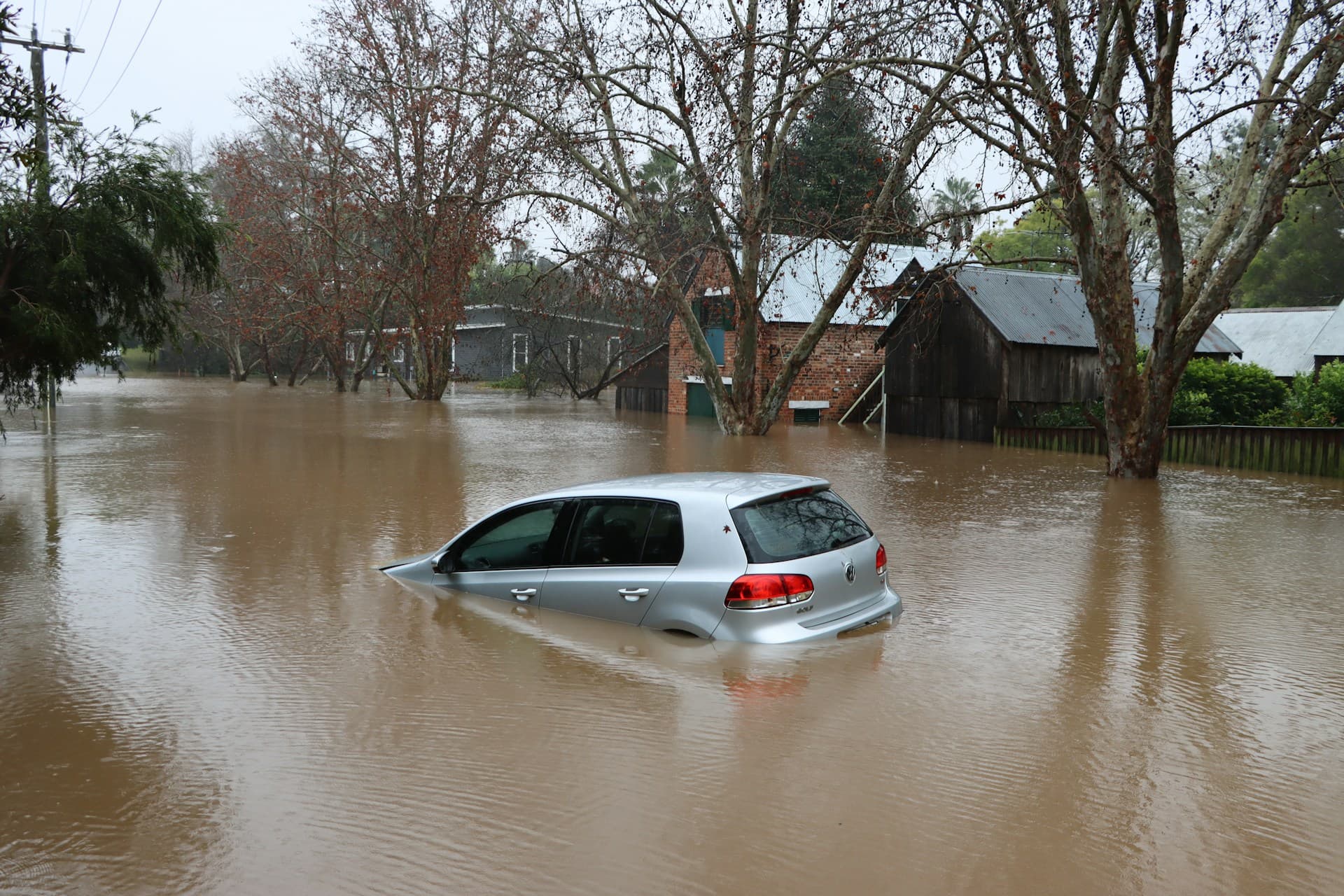
The first look outside after a hurricane can be misleading.
The rain may have slowed and the wind may sound calmer, but roads can still be flooded, trees may be unstable, and power lines can be hidden under limbs or standing water. Emergency crews may also need time to clear roads, inspect bridges, restore utilities, and reach people who need immediate help.
Before heading out to inspect the neighborhood, check the latest information from Onslow County Emergency Management, your city or town, ReadyNC, local utilities, and law enforcement.
Salt & Soil Realty Group is a real estate brokerage, not an insurance agency, emergency management office, or flood-plain manager. This post is educational; confirm hurricane, insurance, and evacuation guidance with official sources and licensed professionals.
See hurricane preparedness, power and water outages, and should you evacuate.
Carroll Harrod with Salt & Soil Realty Group helps homeowners and buyers in Jacksonville, NC and Coastal North Carolina prepare for storm season with practical local context.
Wait Until Officials Say It Is Safe to Return
If you evacuated, don’t start the drive home simply because the weather has improved where you are.
Your neighborhood may still be closed to residents. Roads can be washed out, covered by water, blocked by trees, or needed for emergency traffic. Bridges and road shoulders may have damage that is difficult to see from inside a vehicle.
Wait for official reentry guidance and check current road conditions before leaving. Let someone know when you depart, which route you expect to take, and when you arrive.
Keep a physical map in the vehicle. Mobile navigation is helpful when it works, but cellular service may be weak and the route suggested by an app may lead directly to a closed or flooded road.
Never drive through floodwater or around a barricade. The pavement beneath the water may be washed away, and downed electrical lines or debris may be hidden below the surface. ReadyNC and the CDC both advise waiting for official permission to return, avoiding flooded roads, and approaching damaged buildings carefully.
Look Around Before Entering the House
Stop at a safe distance and look at the outside of the property first.
Watch for:
- Downed or hanging power lines
- Trees leaning toward the house
- Broken or suspended limbs
- Roof, wall, porch, or foundation damage
- Standing water around electrical equipment
- The smell of gas
- Shifting, cracking, or unusual noises
Wildlife or displaced animals
Treat every downed power line as energized. Stay away from the line itself and from fences, trees, vehicles, puddles, or other objects that may be touching it. Report the location to the utility company or emergency services.
Don’t enter a building that appears structurally unstable. If you smell gas, hear movement, or see obvious structural damage, back away and contact the appropriate emergency service or qualified professional.
Floodwater should be treated as contaminated. It may contain sewage, fuel, chemicals, sharp objects, insects, snakes, displaced wildlife, and electrical hazards. Keep children and pets away from it.
Be Careful Clearing Trees and Limbs
Trees and limbs can block neighborhood streets, rural roads, driveways, and access to the house after a hurricane.
A hand saw or pruning saw may be useful for small, straightforward debris that can be removed without placing anyone near traffic, power lines, unstable trees, or overhead limbs. Wear gloves, sturdy footwear, eye protection, and clothing that protects your skin from broken branches, nails, glass, and other debris.
Chainsaws are useful after storms, but hurricane-damaged trees can behave very differently from ordinary firewood. Trunks and limbs may be twisted, bent, partially uprooted, suspended in other trees, or under tremendous pressure.
Use a chainsaw only when you have the training, protective equipment, physical ability, and judgment to handle the particular situation. Keep bystanders away, and never cut:
- Near a power line
- Beneath hanging or suspended limbs
- On an unstable ladder
- Above shoulder height
- A bent limb or trunk you don’t understand
A tree that may roll, split, fall, or spring toward you
Call a qualified tree professional when the work is beyond your experience. Storm cleanup already involves heat, exhaustion, poor footing, noise, and distractions. Those conditions leave very little room for a mistake with a chainsaw.
Check on Neighbors Without Creating Another Emergency
Once you know the immediate area is safe enough to move around, check on neighbors who may need help.
Older adults, people with medical conditions, families with infants, and residents who rely on electricity for medical equipment may need water, charging power, transportation, or help contacting relatives.
Stay within what you can safely do. Don’t enter floodwater, climb onto a damaged roof, approach a power line, or attempt a rescue that requires training or equipment you don’t have. Call emergency services when someone is injured, trapped, missing, or in immediate danger.
Text messages may go through when phone calls do not. An out-of-area contact can also help pass information between family members when local networks are overloaded.
Keep Following Water and Food-Safety Instructions
A water advisory may remain in place after electricity is restored and roads reopen.
Continue following the exact instructions from your water provider. A boil-water advisory, do-not-drink notice, and do-not-use notice each require a different response. Don’t assume that clear water is safe or that an ordinary household filter removes the contamination involved.
Homes with wells may also need the well inspected, disinfected, or tested after flooding.
Check refrigerated and frozen food carefully. A refrigerator or freezer coming back on does not make food safe again if it became too warm during the outage. Use appliance temperatures, the length of the outage, and current FDA or USDA guidance rather than relying on appearance, smell, or taste.
Photograph Damage Before Cleanup
Once the property is safe to approach, photograph and video the damage before moving things or beginning repairs.
Take wide photographs that show the affected room or part of the property, then move closer for details. Include:
- Roof and exterior damage
- Water lines and staining
- Damaged flooring and walls
- Furniture and personal property
- Appliances and electronics
- Fences, sheds, docks, and outbuildings
- Fallen trees and debris
Model and serial numbers when visible
Make a written list while the details are fresh. Keep damaged items unless the insurance company tells you they can be discarded or they present an immediate health or safety problem.
Contact the insurance company promptly. Ask what documentation it needs, whether an adjuster must inspect the damage, and what steps you should take next.
Take reasonable temporary measures to prevent additional damage, such as covering an opening when it can be done safely. Save receipts for tarps, materials, lodging, cleanup, meals, and other storm-related expenses. Don’t begin major permanent repairs until you have spoken with the insurance company and understand its process.
Salt & Soil Realty Group cannot determine whether a loss will be covered. Coverage depends on the policy, the cause of the damage, applicable deductibles, exclusions, and the insurance company’s investigation. North Carolina’s Department of Insurance recommends documenting damage before temporary repairs, protecting the property from further loss, keeping receipts, and contacting the insurer promptly.
Be Careful With Contractors Who Appear After the Storm
Reputable contractors may be extremely busy after a hurricane. That creates an opening for people who travel into damaged areas looking for fast deposits and easy targets.
Be cautious with anyone who appears at the door uninvited, pressures you to sign immediately, offers to handle the insurance claim for you, or wants a large cash payment before work begins.
Before hiring someone:
- Verify the contractor’s identity and business information
- Check licenses when the work requires one
- Ask for proof of insurance
- Request local references
- Get the scope of work and materials in writing
- Confirm the total price and payment schedule
- Read the cancellation and warranty terms
Avoid paying the entire amount upfront
Ask the insurance company whether it wants to inspect the damage before work begins. Don’t sign over insurance proceeds or other rights without understanding exactly what the document does.
The North Carolina Department of Insurance specifically warns homeowners about unsolicited roofing and repair offers after storms and recommends written proposals, verified insurance, references, and careful review of payment terms.
Take Recovery One Job at a Time
Storm recovery can be exhausting.
People may be dealing with heat, poor sleep, damaged property, insurance calls, cleanup, missed work, displaced animals, and concern for relatives at the same time. It is easy to rush into a job that should wait or make a major decision while tired and frustrated.
Handle immediate safety needs first. Then protect the property, document the damage, contact the insurer, and begin cleanup in a reasonable order. Rest, drink water, work with other people when possible, and get help with heavy or dangerous tasks.
Checking on your own stress matters too. Disasters can affect sleep, concentration, mood, and decision-making long after the weather clears. Family, friends, faith communities, counselors, and other support can all be part of recovery.
Prepare Before the Next Storm
This article completes our six-part hurricane-preparedness series, which began with Hurricane Preparedness in Jacksonville, NC: What Newcomers Should Expect.
The series covered household supplies, home and insurance preparation, evacuation planning, utility outages, and post-storm recovery. Most of the work is easier and less expensive when it is handled gradually instead of during the final days before landfall.
Homebuyers can also review our Jacksonville NC home inspection guide and our guide to Jacksonville flood zones and insurance costs when evaluating a property.
Salt & Soil Realty Group helps buyers, sellers, and people relocating to Jacksonville and coastal North Carolina understand the practical side of owning property here. For emergency instructions, insurance decisions, structural concerns, electrical hazards, tree removal, water safety, and repairs, rely on the appropriate public agencies and qualified professionals.
Sources
ReadyNC, Hurricane Guide, hurricane recovery guidance, flood safety, power-line hazards, damaged structures, debris, and returning home.
CDC, post-hurricane safety, floodwater hazards, damaged buildings, wildlife, cleanup, heat, and chainsaw safety.
Occupational Safety and Health Administration, storm-cleanup hazards involving power lines, falling limbs, damaged trees, and debris.
North Carolina Department of Insurance, documenting a claim, making temporary repairs, saving receipts, contacting the insurer, and avoiding contractor scams.
Ready.gov, emotional recovery and coping after a disaster.
Salt & Soil Realty Group’s current blog index and related articles on home inspections and coastal flood risk.
Questions about coastal living or storm preparedness in Jacksonville, NC? Contact Salt & Soil Realty Group.