Should You Evacuate for a Hurricane? Make the Plan Before the Storm
By Carroll Harrod · Salt & Soil Realty Group
Not every hurricane that threatens coastal North Carolina will require everyone in Jacksonville or Onslow County to evacuate. The decision depends on the storm, the property, expected flooding and storm surge, instructions from local officials, and personal choice. A household near the water may be told to leave while another neighborhood farther inland remains under no evacuation order. You can’t make that call months ahead of time. You can decide where you would go, how you would get there, and what you would take. Salt & Soil Realty Group is a real estate brokerage, not an insurance agency, emergency management office, or flood-plain manager. This post is educational; confirm hurricane, insurance, and evacuation guidance with official sources and licensed professionals. See **hurricane preparedness, **what to do after a hurricane, and flood zones. Carroll Harrod with Salt & Soil Realty Group helps homeowners and buyers in **Jacksonville, NC** and Coastal North Carolina prepare for storm season with practical local context. ---
Look Up Your Evacuation Zone
North Carolina’s Know Your Zone system divides vulnerable parts of 21 coastal counties into predetermined evacuation zones. Onslow County is included. Enter your home address into the state’s online lookup tool and save the result with your emergency information. It’s also worth checking the zone for your workplace, your children’s school, and relatives who live nearby. The zones help local officials organize evacuations based on the expected effects of a particular storm. Zone A will generally be considered before Zone B, followed by the remaining zones as conditions require. Officials may evacuate one zone, several zones, or none at all. An evacuation zone is not the same as a FEMA flood zone. Evacuation zones are used during emergencies, while flood zones are used for flood-risk mapping, lending, insurance, and property planning. Our guide to Jacksonville flood zones and insurance costs explains that side of the issue in more detail.
Decide Where You Would Go
Choose a primary destination outside the area expected to be affected, then choose a backup. Staying with friends or relatives is often the simplest option. Talk with them before hurricane season so everyone knows what to expect, especially if you’ll be bringing children, pets, or several vehicles. Hotels are another possibility, but nearby rooms may fill quickly once an evacuation appears likely. A reservation in Wilmington, New Bern, or another coastal community may not move you far enough from the same storm, and hotels further inland can book up fast. Look at the projected hazards and official guidance rather than choosing a destination only because it is outside Onslow County. Your backup plan matters because the first destination may lose power, fall within an expanded forecast area, or become difficult to reach. Public shelters may open during an emergency, but locations and opening times depend on the event. Onslow County announces which shelters are operating and when they will begin accepting residents. Shelters are meant to provide safety, not hotel-style accommodations, so residents should bring their own bedding, personal items, medication, chargers, and other necessary supplies.
Make a Plan for Pets, Livestock, and Medical Needs
Pets belong in the evacuation plan from the beginning. Have carriers, leashes, food, water, medication, vaccination records, waste bags, and identification ready. Ask your planned destination whether animals are allowed. Some hotels that normally restrict pets may change their policies during emergencies, but don’t count on that without confirming it. Onslow County identifies a pet-friendly shelter when shelter operations require one. Residents using it must remain with their animals and bring enough pet supplies for the stay. Check the county’s current shelter announcement before leaving because locations and procedures can change. Livestock usually takes more time and equipment to move. Identify a safe destination, transportation, loading help, feed, water, fencing, and animal records ahead of hurricane season. Waiting until the weather begins deteriorating may leave too little time to move them safely. Onslow County also maintains a Sheltering and Evacuation Registry for residents who may need assistance because of medical or functional needs. That can include limited mobility, help with daily activities, cognitive impairment, wheelchair use, wound care, or a need for close supervision. Applications are reviewed for eligibility, so this is something to address before a storm is approaching. Anyone who relies on oxygen, refrigerated medication, dialysis, electrically powered medical equipment, or regular in-home care should discuss an emergency plan with the appropriate provider.
Plan More Than One Route
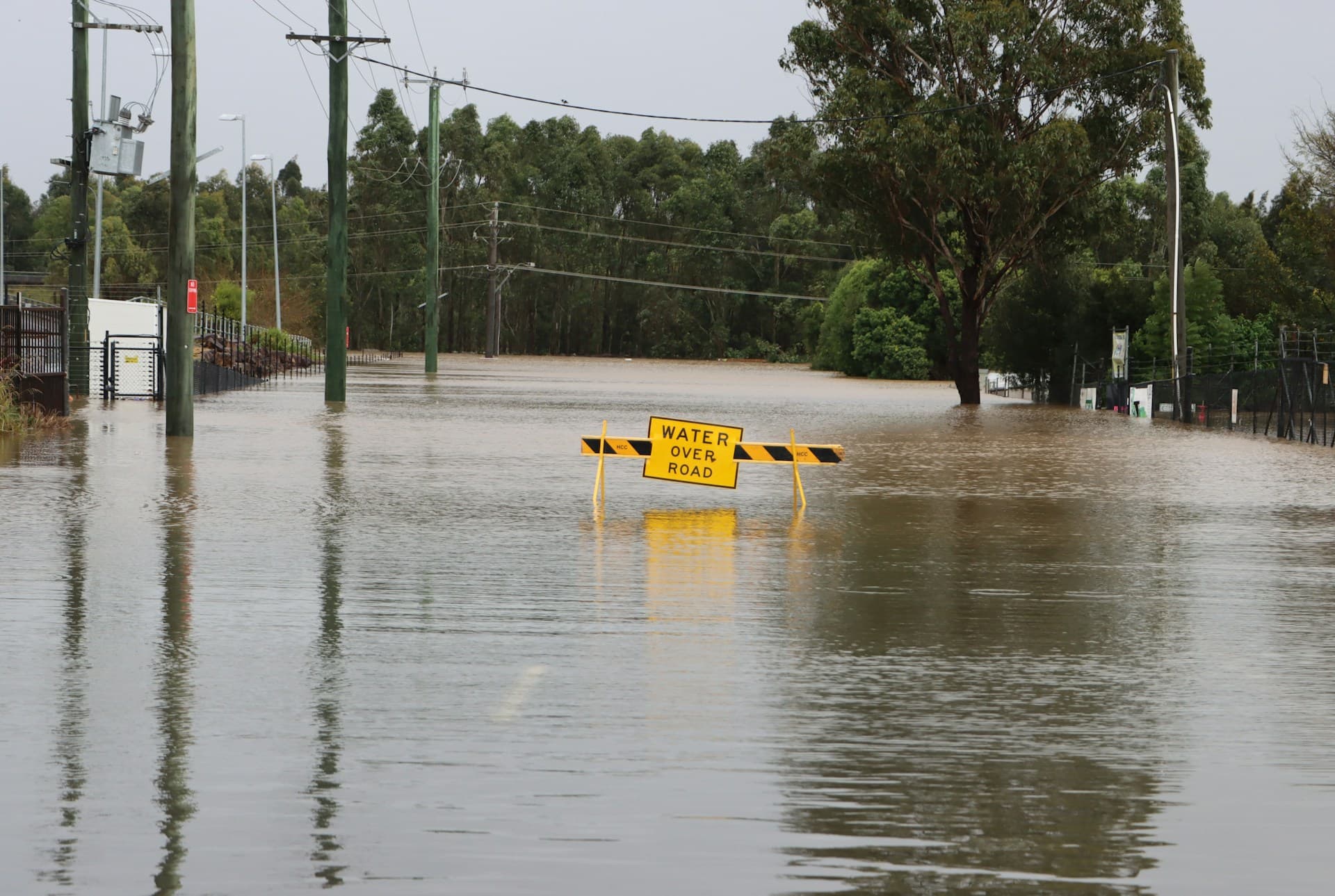
Know the main route from your home to your destination and at least one reasonable alternative. Use the evacuation routes recommended by local officials and NCDOT. Major routes can handle more traffic and are more likely to have law enforcement, transportation crews, and roadside assistance nearby. Familiar back roads may flood, become blocked by trees, or leave you stranded where help is harder to reach. Keep a paper road map in the vehicle. Mobile navigation is useful, but cellular data and service may be unreliable. A paper map also makes it easier to change routes when a road is closed or blocked by debris. Check current road conditions through DriveNC and official local updates before leaving. Conditions can change as rain falls, rivers rise, trees come down, and traffic increases. Never drive through floodwater or around a barricade. Water can hide a washed-out road, debris, power lines, or a hole deep enough to disable the vehicle. There is no reliable way to judge the depth or the condition of the pavement from the driver’s seat.
Fuel the Vehicles Early
Keep the vehicles fueled when a storm may approach during the coming week. Gas stations can become crowded, run low on fuel, lose power, or close as the weather worsens. An evacuation order is a bad time to discover that the tank is nearly empty. Check the tires, fluids, spare tire, and basic roadside equipment too. If two vehicles aren’t necessary, traveling together in one may reduce fuel use and keep the household from becoming separated in heavy traffic. Pack water and food for the drive. Restaurants and stores along the route may be closed, crowded, or without power.
Know What Goes in the Vehicle
Your evacuation supplies should be small enough to load quickly and useful enough to cover several days away from home. Bring:
- Identification and important documents
- Prescription medication and medical equipment
- Clothing and basic hygiene supplies
- Food and drinking water
- Phones, chargers, and charging banks
- Cash
- Pet food, carriers, leashes, and records
- A flashlight and weather radio
- Paper maps
- Insurance information
Bedding if you may use a shelter
Keep a written last-minute list near the bag. Include items that can’t remain packed all season, such as refrigerated medication, wallets, phones, glasses, pet carriers, and medical devices. Tell an out-of-area relative or friend where you’re going, which route you expect to take, and when you plan to arrive. That person can serve as the household contact if local calls become difficult.
Once You Decide to Leave, Go
Preparation and evacuation are two different decisions. Preparing to leave gives you options. Packing the vehicle or checking a route doesn’t commit you to evacuating for every storm. The final decision should be based on official instructions and the conditions affecting your household. Once an evacuation order is issued for your area—or you decide that your circumstances require leaving—delaying can make the trip harder. Traffic builds, fuel becomes less available, weather worsens, and roads may begin flooding or collecting debris. Leave promptly and follow the routes recommended by officials. After the storm, wait for official reentry guidance before returning. Roads may remain blocked or unsafe after the weather appears to have improved.
Plan Now, Decide With Current Information
A useful evacuation plan answers a few basic questions: Where will we go? How will we get there? What will we take? How will we move the pets or livestock? Who needs additional help?
Write the answers down and update them when something changes. Salt & Soil Realty Group helps buyers and people relocating to Jacksonville and coastal North Carolina evaluate flood information, location, property condition, insurance questions, and other practical parts of coastal homeownership. Emergency officials remain the proper source for evacuation orders, shelter openings, road conditions, and reentry instructions. Many Onslow County residents will shelter at home during at least some storms. The next article covers how to prepare for the power, water, internet, and cellular outages that can follow.
Sources
North Carolina Department of Public Safety, Know Your Zone, including the address lookup, tiered coastal evacuation system, and local evacuation process. ReadyNC, Evacuating, including guidance on following local orders, leaving early, fueling vehicles, planning destinations and routes, taking pets, and packing medication and documents. Onslow County Emergency Management, Sheltering & Evacuating, including shelter operations, bedding and personal supplies, and pet-friendly shelter procedures. Onslow County, Sheltering & Evacuation Registry, for residents with qualifying medical or functional needs. North Carolina Department of Transportation, evacuation routes, DriveNC travel information, designated-route guidance, and floodwater safety. City of Jacksonville, emergency alerts, local preparedness resources, evacuation zones, maps, medication, and emergency-kit guidance. Salt & Soil Realty Group’s current blog index and related coastal homebuyer and flood-zone resources. --- Questions about coastal living or storm preparedness in Jacksonville, NC? **Contact Salt & Soil Realty Group**.