How to Prepare for Power and Water Outages After a Hurricane
By Carroll Harrod · Salt & Soil Realty Group
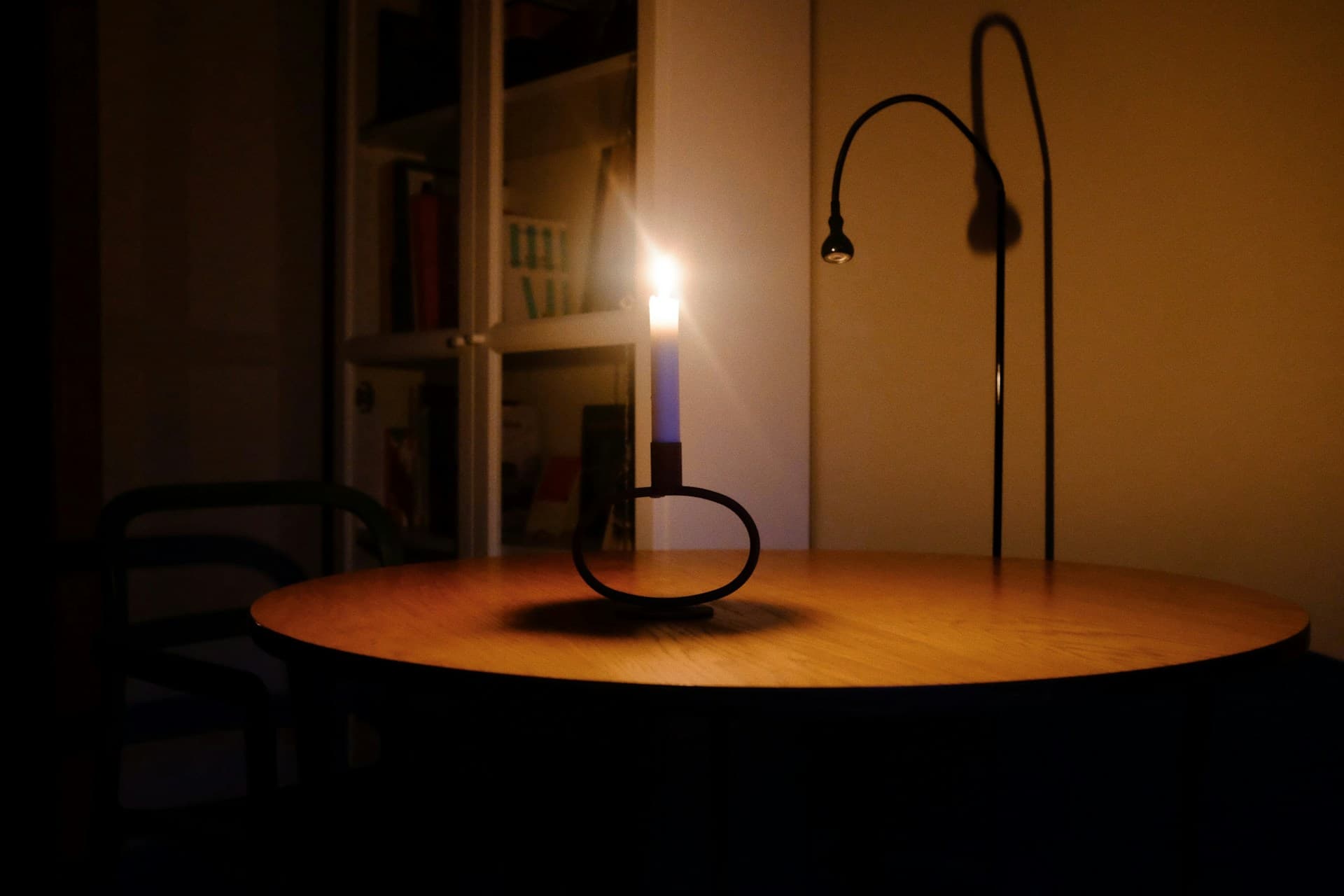
If you stay home during a hurricane, the storm itself may be only the beginning of the disruption.
Power can remain out long after the wind has passed. Internet service may disappear, cellular networks can become overloaded, and water systems may issue boil-water advisories. Even homes with little physical damage can be uncomfortable and difficult to manage for several days.
Think through how your household would handle lighting, communication, food, water, cooking, sanitation, medications, pets, and summer heat without the systems you normally depend on.
Salt & Soil Realty Group is a real estate brokerage, not an insurance agency, emergency management office, or flood-plain manager. This post is educational; confirm hurricane, insurance, and evacuation guidance with official sources and licensed professionals.
See what to keep on hand, what to do after a hurricane, and hurricane preparedness.
Carroll Harrod with Salt & Soil Realty Group helps homeowners and buyers in Jacksonville, NC and Coastal North Carolina prepare for storm season with practical local context.
Prepare for Communication Problems
Keep phones and charging banks fully charged before the storm arrives. Vehicle chargers are also useful, provided you can reach the vehicle safely and never leave it running inside a garage.
A battery-powered or hand-crank weather radio gives you another way to receive information when the internet is down or your phone cannot load updates. Keep flashlights, lanterns, and spare batteries where everyone in the house can find them.
Write down important phone numbers instead of storing everything only in your contacts. Include:
- Family members and an out-of-area contact
- Insurance companies
- Doctors, pharmacies, and veterinarians
- Electric, water, and gas providers
- Local emergency information numbers
Neighbors who may need help
Text messages may go through when voice calls will not. Agree ahead of time on one out-of-area person who can receive updates from different members of the household and pass information along.
Download paper maps or keep a printed road map nearby as well. Cellular navigation becomes less dependable when service is weak or roads are closed.
Store Water Before the Storm
Fill clean, food-safe containers with drinking water while the water system is operating normally. Keep that potable water separate from any water stored for washing, cleaning, or flushing toilets.
The amount each household needs will vary. Drinking, cooking, brushing teeth, pets, infant formula, medications, and hot weather can all increase demand.
Water stored for washing or flushing does not necessarily need to meet the same standard as drinking water, but label the containers clearly so nobody confuses them.
Homeowners with wells should remember that most well pumps require electricity. A house can have perfectly good groundwater below it and still have no running water during an outage unless the pump has a safe backup power source.
Follow the Exact Water Advisory
After a storm, your water provider may issue a boil-water advisory, a do-not-drink notice, or a do-not-use notice. Those instructions are not interchangeable.
A boil-water advisory usually addresses the possibility of germs in the water. Other contamination can require completely different precautions. Follow the notice issued by your water provider and continue until that provider says the advisory has been lifted.
Don’t assume that a refrigerator filter, countertop pitcher, camping filter, or whole-house filter makes the water safe. Filters vary widely in what they remove. Some reduce taste and odor but do not remove bacteria, viruses, chemicals, or other contaminants.
Reverse-osmosis and ultraviolet systems also have limits. Their effectiveness depends on the specific equipment, its condition, the type of contamination, and proper operation. Some systems require electricity or adequate water pressure and may not work normally during an outage.
Use bottled water or treat water exactly as directed by the responsible water provider or public-health agency. When the instruction is to boil water, the CDC recommends bringing clear water to a rolling boil for one minute and allowing it to cool before storing it in clean, covered containers. A local notice may include additional directions for ice, cooking, brushing teeth, infant formula, pets, and household appliances.
Keep the Refrigerator and Freezer Closed
Every time the refrigerator door opens, cold air escapes.
An unopened refrigerator generally keeps food cold for about four hours. A full freezer may hold a safe temperature for about 48 hours, while a half-full freezer may last about 24 hours if the door remains closed.
Appliance thermometers make the decision easier. Keep the refrigerator at 40°F or below and the freezer at 0°F or below before the outage. Once power returns, the thermometer can help you determine how warm the food became.
Frozen jugs of drinking water can fill unused freezer space and help everything stay cold longer. They also provide ice and additional water as they thaw. Grouping frozen food together has a similar benefit.
Don’t taste food to decide whether it is safe. Appearance and smell are not reliable indicators. Refrigerated meat, poultry, seafood, milk, eggs, leftovers, and other perishables that have remained above 40°F for too long may need to be discarded. When you are uncertain, use current FDA or USDA guidance rather than guessing.
Decide How You Will Cook
Keep some food that can be eaten without heating. That gives you a safe option when the weather is still bad, cooking equipment is wet, or fuel is limited.
Charcoal grills, propane grills, camp stoves, generators, and other fuel-burning equipment must never be used inside the house, garage, shed, carport, camper, or near an open door or window. Opening the garage door does not make it safe.
Carbon monoxide has no smell or color. It can build up quickly and kill people and pets before they understand what is happening.
Wait until conditions are safe enough to cook outdoors. Keep cooking equipment on a stable surface away from structures and anything that can burn. Follow the manufacturer’s instructions and never leave it unattended.
Use Generators Carefully
A portable generator should be operated outdoors, at least 20 feet from doors, windows, and vents, with the exhaust pointed away from occupied buildings. It should never run in a garage, crawl space, shed, carport, or other enclosed or partly enclosed area.
Keep the generator dry and do not operate it in standing water or where rain can reach the electrical components. Use battery-powered carbon-monoxide alarms inside the home.
Connect appliances with heavy-duty, outdoor-rated extension cords that are long enough to keep the generator safely away from the house. Check that the cords have all three prongs, no cuts or damaged insulation, and a wattage rating greater than the combined load connected to them.
A generator can only power so much at one time. Know its running and starting capacity, then decide which appliances matter most. A refrigerator, freezer, well pump, window air conditioner, microwave, and medical device may each place a significant load on the unit.
Never plug a generator into a household wall outlet. Any connection to the home’s wiring should use properly installed equipment handled by a licensed electrician.
Plan for Heat, Medication, Pets, and Sanitation
A summer outage in Jacksonville can make a house hot and humid quickly.
Check on older adults, infants, people with health conditions, and anyone who takes medication affected by heat. Fans provide comfort but may not prevent heat illness when indoor temperatures become dangerously high. Be prepared to relocate to a safe, air-conditioned place if someone in the household cannot tolerate the conditions.
Talk with a pharmacist or healthcare provider before hurricane season about medication that requires refrigeration. Storage rules vary by product, and a medicine may remain usable for a limited period even when it is no longer at its normal temperature. Get specific instructions rather than placing it directly against loose ice or deciding on your own that it is safe.
Pets need shade, ventilation, and more water during hot weather. Watch them closely for signs of heat stress.
Sanitation also becomes more difficult if water or sewer service is interrupted. Keep soap, hand sanitizer, trash bags, disinfecting supplies, toilet paper, wipes, and separate utility water available. Never mix cleaning chemicals, and keep them away from food and drinking-water containers.
Our guide on what to do after buying a house includes other useful first-year tasks, such as locating utility shutoffs, testing alarms, organizing records, and building a household emergency kit.
Make the House Livable, Not Normal
During an extended outage, the goal is to keep people safe, hydrated, fed, informed, and reasonably comfortable. You may not be able to run every appliance or maintain your usual routine.
Prioritize drinking water, medication, safe food temperatures, communication, lighting, and the needs of vulnerable household members. Conserve fuel and battery power until you have a clearer idea of how long the outage may last.
Salt & Soil Realty Group helps buyers and people relocating to Jacksonville understand practical parts of coastal homeownership, including wells, utilities, flood exposure, generators, property condition, and storm preparation. Water safety, electrical work, medical needs, and generator installation should be handled according to official instructions and guidance from the appropriate professionals.
The final article in this series will cover what happens after the storm, including downed power lines, blocked roads, damaged trees, insurance documentation, temporary repairs, and post-hurricane contractor scams.
Sources
CDC, guidance for staying safe during a power outage, including generator placement, carbon-monoxide risks, food, water, medication, heat, and electrical hazards.
CDC, guidance for making water safe during an emergency.
FDA, food and water safety during power outages and flooding, including appliance thermometers, frozen water containers, refrigerator and freezer timeframes, and safe-water precautions.
USDA Food Safety and Inspection Service, refrigerator and freezer safety during extended outages.
U.S. Consumer Product Safety Commission, portable-generator and extension-cord safety.
FDA, guidance for temperature-sensitive medication after a natural disaster.
Salt & Soil Realty Group’s current blog index and related homeowner-preparedness article.
Questions about coastal living or storm preparedness in Jacksonville, NC? Contact Salt & Soil Realty Group.