Hurricane Preparedness in Jacksonville, NC: What Newcomers Should Expect
By Carroll Harrod · Salt & Soil Realty Group

Living in Jacksonville means paying attention to hurricane season. Storms don’t affect our area the same way every year, but every household should have a basic plan in place before one begins moving toward the North Carolina coast. Newcomers may be surprised by how many local homes lack permanent hurricane shutters or impact-rated windows. Preparing for a storm here often requires homeowners to make their own plans for window protection, household supplies, insurance records, evacuation, and several days without power or water. It’s much easier to sort those things out before the weather forecast sends everyone to the same stores at the same time. Salt & Soil Realty Group is a real estate brokerage, not an insurance agency, emergency management office, or flood-plain manager. This post is educational; confirm hurricane, insurance, and evacuation guidance with official sources and licensed professionals. See **prepare home and insurance before a hurricane, **should you evacuate, and flood zones and coastal insurance. Carroll Harrod with Salt & Soil Realty Group helps homeowners and buyers in **Jacksonville, NC** and Coastal North Carolina prepare for storm season with practical local context. ---
Hurricanes Are Part of Living in Coastal North Carolina
Atlantic hurricane season runs from June 1 through November 30, with most of the activity usually coming later in the summer and into the fall. That doesn’t mean Jacksonville spends six months preparing for an immediate disaster. Most of hurricane season is ordinary life. People go to work, kids go to school, and the weather may be beautiful. The pace changes when a tropical system begins showing a possible path toward North Carolina. Forecasts get updated several times a day. People begin checking generators, buying groceries, filling gas cans, and deciding whether they may need to leave. Households that already have a plan can focus on the storm in front of them. Everyone else is trying to make a dozen decisions at once.
One Thing That Surprised Me After Moving From Florida
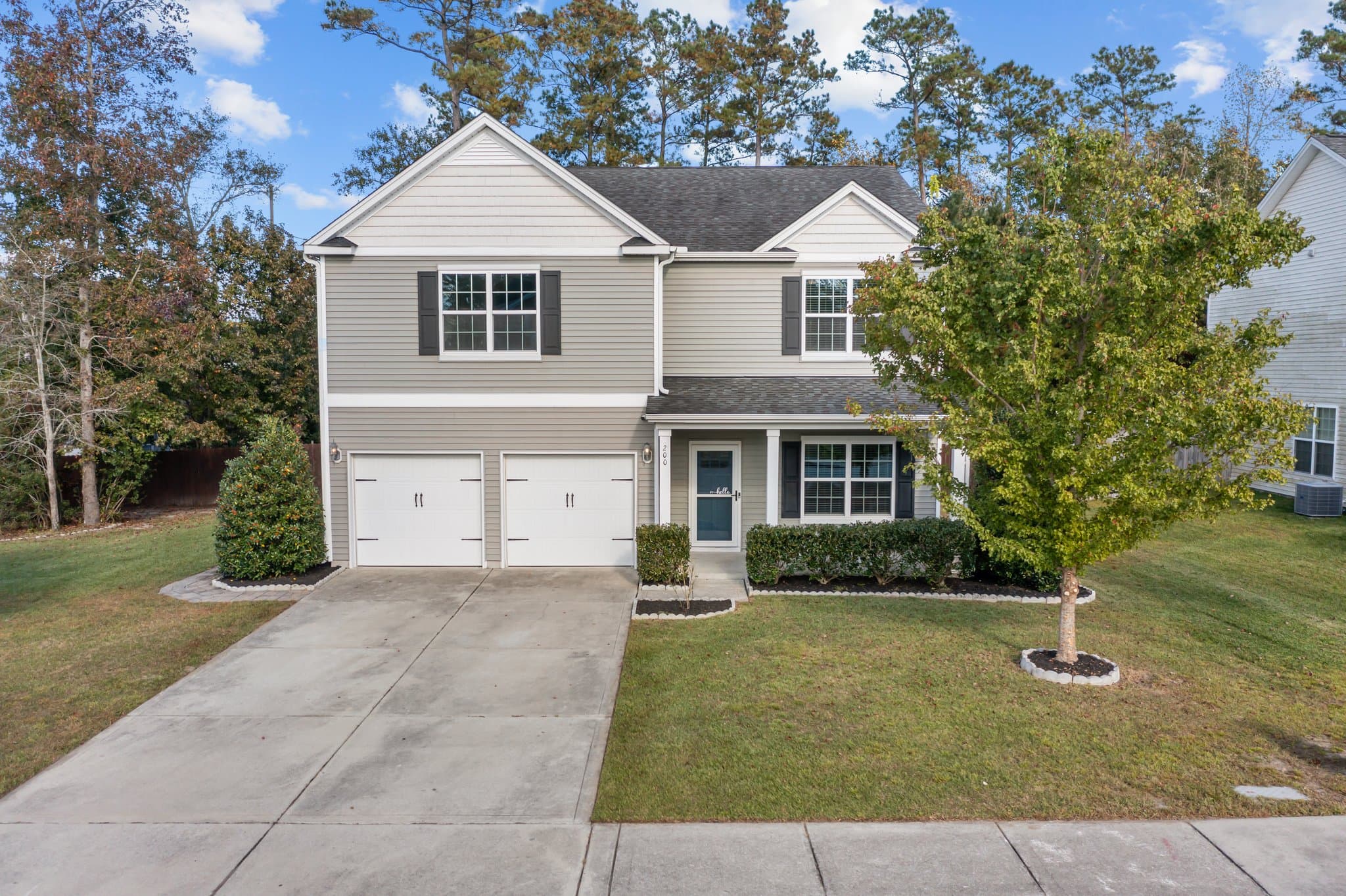
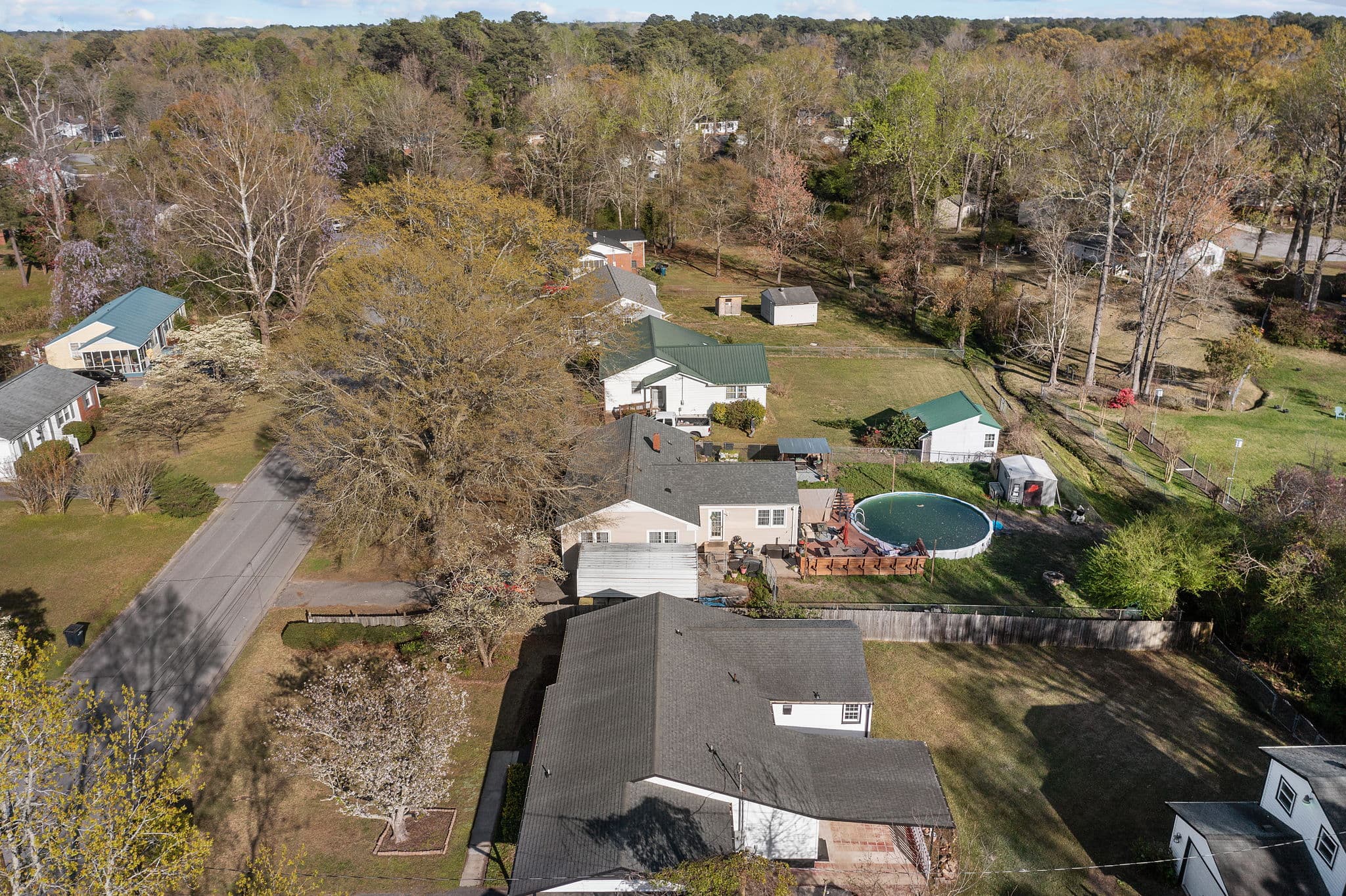
When I moved here from Florida, I was surprised by the lack of hurricane shutters. I had grown accustomed to seeing shutters, metal panels, or impact-rated windows on homes. Around Jacksonville, those features are far less common. Many ordinary homes have standard windows and no permanent system for covering them. That doesn’t make every Jacksonville home unusually dangerous, and it doesn’t tell us how a particular house will perform in a storm. It simply means homeowners should look at the property they actually have. Does the home have shutters stored somewhere? Has plywood already been measured and labeled for each window? Are there large trees close to the roof? Does water collect near the house during heavy rain? Are the gutters, siding, fence, shed, and roof in good condition? Those are useful questions for current homeowners and buyers. Our Jacksonville NC home inspection guide covers several property concerns worth examining before closing, including roofs, crawl spaces, drainage, flood risk, and insurance.
Five Parts of a Useful Hurricane Plan
Bottled water usually receives most of the attention before a storm, especially once the shelves begin emptying. Household supplies matter, but they’re only one part of the plan. A well-prepared household has worked through five areas:
- Food, water, medication, pet supplies, and other daily needs
- The home, yard, vehicles, and backup equipment
- Insurance policies, photographs, receipts, and important documents
- Evacuation routes and possible places to stay
Power, water, internet, and cellular outages
You don’t need to handle all of this in one weekend. Pick up extra shelf-stable food during normal grocery trips. Photograph the rooms in your home while everything is in its usual place. Test the generator before hurricane season. Check your insurance deductible when there isn’t a storm three days away. A little work spread across the year is far easier than starting after Jacksonville appears in a forecast cone.
Know Where to Get Reliable Storm Information
Hurricane forecasts change as new information becomes available. A map shared on social media may already be several updates old by the time you see it. The National Hurricane Center provides the official forecasts, advisories, watches, warnings, and information about expected hazards. ReadyNC gathers North Carolina emergency resources, including evacuation information, shelters, road conditions, power outages, and preparedness guidance. Onslow County Emergency Management also maintains local hurricane and emergency information. Residents should pay attention to the county, their city or town, and local emergency alerts as a storm approaches. Local instructions matter because conditions can vary across Onslow County. A neighborhood near the New River, Intracoastal Waterway, or another low-lying area may face different concerns from a property farther inland. During an actual storm, follow the current instructions issued by emergency officials rather than relying on a general article—including this one.
Look Up Your Evacuation Zone Now
North Carolina’s Know Your Zone system divides parts of the coastal counties into predetermined evacuation zones. You can enter your address into the state’s online map to find the evacuation zone for your home, workplace, or another property. Local officials decide which zones need to leave based on the expected effects of each storm. Knowing your zone doesn’t tell you that you’ll need to evacuate for every hurricane. It gives you one less thing to figure out if an evacuation is announced. Evacuation zones and FEMA flood zones also serve different purposes. Evacuation zones help local officials organize evacuations. Flood maps are used to understand mapped flood risk and may affect lending and insurance requirements. Homebuyers can read more in our guide to Jacksonville flood zones and insurance costs.
Get the Slow Work Done Early
Once a hurricane looks like it may affect Eastern North Carolina, stores and service providers get busy quickly. Water, batteries, bread, toilet paper, gasoline cans, plywood, propane, and generators may become difficult to find. Tree services, insurance offices, repair shops, and contractors begin receiving calls from all over the area. Use the quieter part of hurricane season to take care of jobs that don’t depend on a specific storm:
- Review insurance policies and deductibles
- Photograph the home and major possessions
- Inspect the roof, drainage, gutters, trees, and exterior structures
- Test flashlights, radios, charging banks, and backup equipment
- Look up your evacuation zone
- Choose a primary evacuation destination and a backup
- Plan for pets, medications, mobility needs, and medical equipment
Keep important documents and phone numbers where you can reach them
When a storm is close, you’ll still have work to do. You may need to bring things inside, fill containers with water, fuel vehicles, prepare windows, or pack the car. Having the larger plan in place makes that final round of preparation much more manageable.
Prepare Before the Next Forecast Cone Appears
Hurricane preparedness is part of responsible homeownership in coastal North Carolina. It deserves attention, but it shouldn’t require spending the entire summer anxious about the weather. Learn the risks around your property. Keep up with basic maintenance. Know where your documents are, where you would go, and how your household would function during an outage. Salt & Soil Realty Group helps buyers and people relocating to Jacksonville understand practical concerns such as flood zones, drainage, insurance questions, home condition, and coastal property ownership. Emergency officials, insurance professionals, inspectors, contractors, and other qualified experts should handle guidance within their own fields. The next article in this series will cover the food, water, equipment, medication, and other supplies worth keeping on hand throughout hurricane season. Buying those items a little at a time can save you from joining the last-minute rush.
Sources
Onslow County Emergency Management, hurricane information and preparedness resources. ReadyNC, North Carolina Hurricane Guide and emergency-information resources. North Carolina Department of Public Safety, Know Your Zone lookup and frequently asked questions. NOAA National Hurricane Center, official tropical forecasts and advisories. Salt & Soil Realty Group, Jacksonville home-inspection and flood-zone buyer guides. --- Questions about coastal living or storm preparedness in Jacksonville, NC? **Contact Salt & Soil Realty Group**.