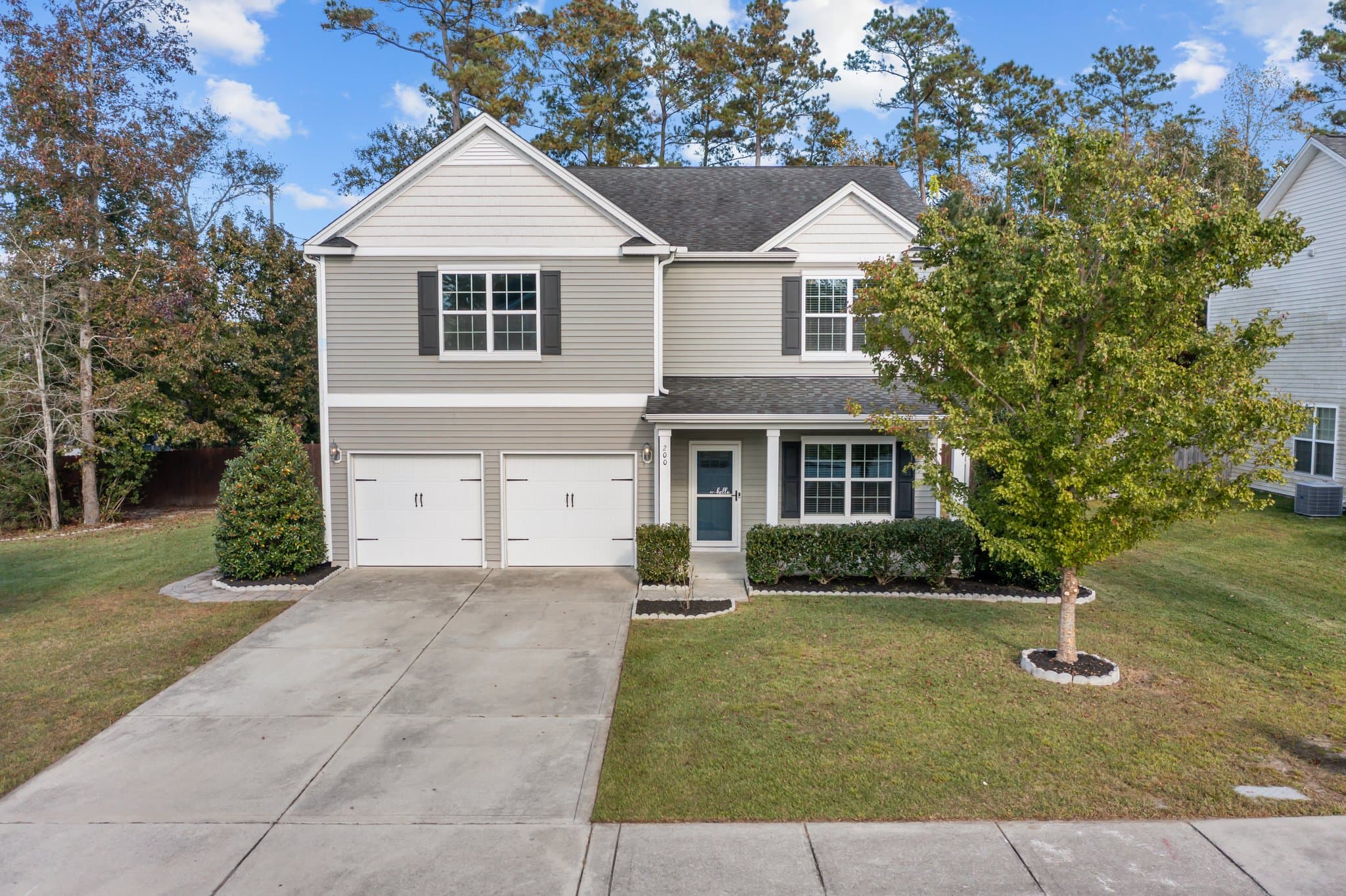
How Clean Should a House Be at the Final Walkthrough?
By Carroll Harrod · Salt & Soil Realty Group
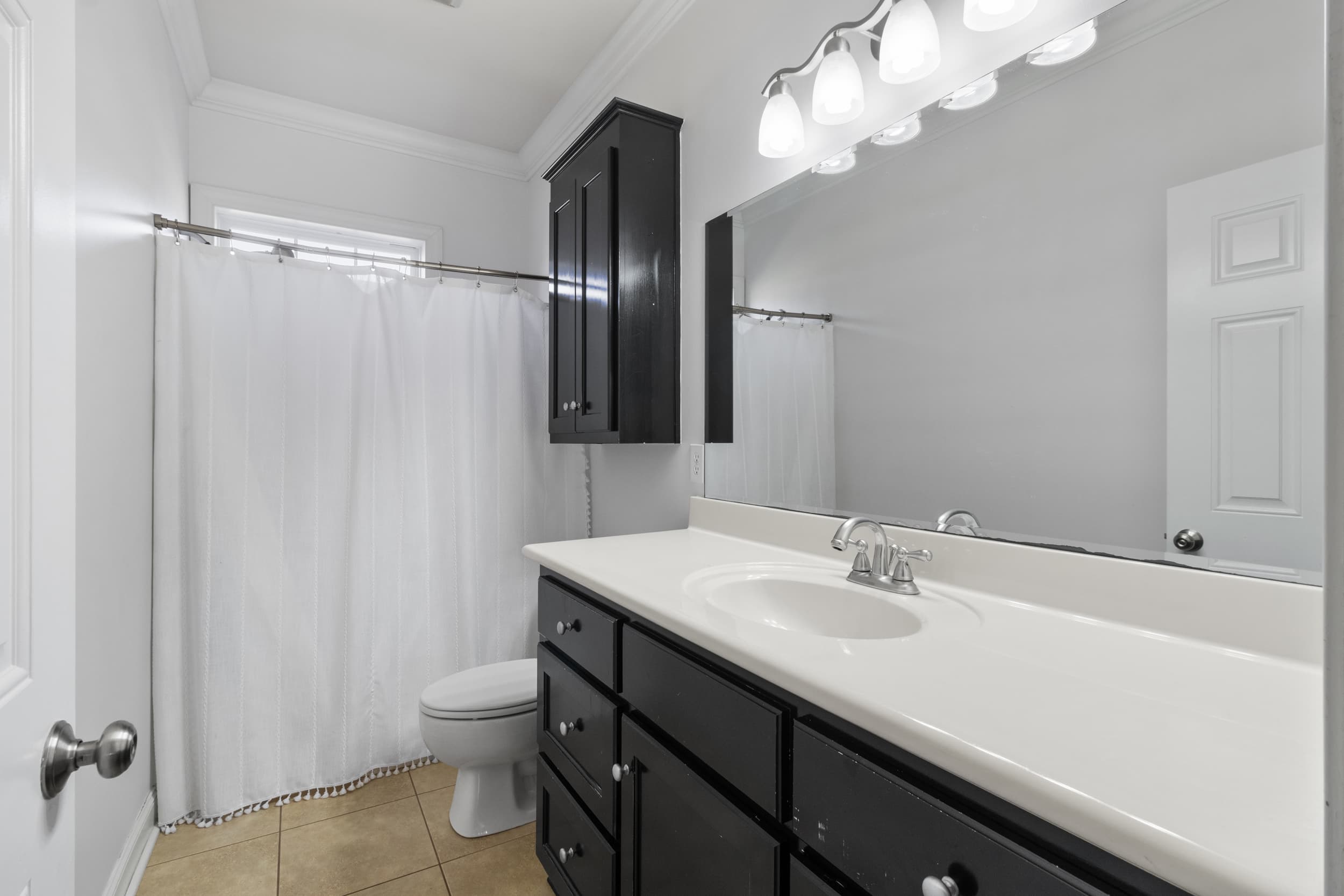
Counters wiped Cabinets, closets, and appliances emptied Bathrooms left usable Trash and food removed Garages, sheds, and exterior areas cleared Salt & Soil Realty Group is a real estate brokerage, not a law firm, CPA firm, or tax preparer. This post is educational; confirm tax, legal, and contract questions with licensed professionals. See **selling as-is in Jacksonville NC, **house cleaning checklist, and coastal NC home seller guide. Carroll Harrod with Salt & Soil Realty Group helps sellers in **Jacksonville, NC** and Coastal North Carolina plan pricing, prep, and listing strategy with local market context. ---
Any agreed professional cleaning completed
The purchase contract controls the exact obligation. North Carolina’s current standard Offer to Purchase and Contract requires the seller to remove personal property that is not included in the sale, along with all garbage and debris, by the time possession is delivered. It also gives the buyer an opportunity to conduct a final walkthrough and verify negotiated repairs.
Pre-Listing Clean vs. Final Move-Out Clean
These cleanings serve different purposes. Cleaning stage Purpose Pre-listing cleaning Make the home look its best for photographs and showings Showing upkeep Keep an occupied home presentable while it is listed Move-out cleaning Remove the dirt and debris exposed during the move Final-walkthrough condition
Deliver the property as required by the contract
A home that looked spotless during showings may need more work after the furniture is gone. Moving can uncover dust, carpet marks, wall damage, pet hair, and forgotten belongings. For more on choosing the right service, read Move-Out Cleaning vs. Pre-Listing Cleaning.
What Does the Buyer Look for at the Final Walkthrough?
The final walkthrough is not only about cleaning. Buyers may also check that:
- The seller has removed personal property.
- Trash and moving debris are gone.
- Agreed repairs were completed.
- Included fixtures and personal property remain.
- No new damage occurred during the move.
- Utilities are still operating as required.
- The property remains in the expected condition. North Carolina’s standard contract says the property should be in substantially the same or better condition at closing as it was when the offer was made, except for reasonable wear and tear. Possession is generally delivered at closing unless the parties have agreed otherwise.
Does the House Have to Be “Broom Clean”?
“Broom clean” is a common real estate phrase, but it does not have one precise nationwide definition. As a practical baseline, it usually means:
- Remove belongings that are not staying.
- Remove garbage and debris.
- Sweep or vacuum the floors.
- Wipe obvious spills and residue.
- Empty cabinets, closets, and appliances. Leave bathrooms and kitchen surfaces reasonably clean. The current North Carolina standard contract uses a removal requirement rather than setting out a detailed professional-cleaning standard. A buyer and seller can agree to more specific cleaning terms, but those obligations should be documented rather than assumed.
Remove Everything That Is Not Part of the Sale
Check more than the main living areas. Sellers often overlook items in:
- Closets
- Cabinets and drawers
- Attics
- Garages
- Sheds and outbuildings
- Crawl-space entrances
- Refrigerators and freezers
- Utility rooms
Porches, decks, and yards
Do not assume the buyer wants old furniture, paint cans, chemicals, firewood, building materials, or leftover household supplies. Spare flooring, paint, filters, and replacement parts may be useful, but confirm that the buyer wants them before leaving them behind.
Clear Trash and Moving Debris
Trash removal should include:
- Cardboard and packing materials
- Food and refrigerator contents
- Broken furniture
- Contractor debris
- Carpet scraps
- Cleaning supplies
- Yard waste
- Items left beside the curb
Debris in the garage or shed
Placing something at the curb does not necessarily mean it will be gone before the buyer takes possession. Arrange hauling early enough to confirm the material has actually been removed.
How Clean Should Cabinets and Appliances Be?
Cabinets, drawers, closets, and included appliances should be empty unless an item is supposed to remain. A practical final cleaning includes:
- Removing crumbs and shelf debris
- Wiping visible spills
- Taking out food, medication, and chemicals
- Emptying the refrigerator and freezer
- Removing dishes from the dishwasher
- Clearing the oven drawer
- Emptying the washer and dryer
Cleaning the dryer lint trap
This does not necessarily require professional detailing. Unless the agreement says otherwise, the priority is to leave these areas empty, usable, and free of obvious dirt or trash.
What If Professional Cleaning Was Negotiated?
A written professional-cleaning obligation is different from a general promise to leave the house clean. The agreement may require:
- Whole-house cleaning
- Carpet cleaning
- Pet-odor treatment
- Window cleaning
- Chimney or fireplace cleaning
- Cleaning by an insured company
- A paid receipt
Completion by a specified date
Follow the wording closely. If the contract calls for professional cleaning, doing the work personally may not satisfy the requirement. Keep invoices and receipts when documentation is required. Questions about whether the work meets the agreement should be addressed with the agent and closing attorney.
When Should the Final Cleaning Happen?
Complete the final cleaning after:
- Furniture and belongings are removed.
- Repairs and painting are finished.
- Contractors have completed their work.
- Moving debris has been hauled away. Then leave enough time to handle anything the empty home reveals, such as carpet stains, wall damage, or forgotten items. Cleaning before the movers or contractors finish often means doing the work twice. Final-Walkthrough Cleaning Checklist Inside Seller’s belongings removed unless included in the sale Trash and moving debris removed Floors swept, vacuumed, or mopped as needed Kitchen and bathroom counters wiped Toilets, sinks, and tubs left usable Cabinets, drawers, and closets emptied Refrigerator, freezer, oven, and dishwasher emptied Washer and dryer emptied Food and obvious residue removed Agreed cleaning services completed No new moving damage left unaddressed Garage and exterior Garage and storage areas cleared Attic and outbuildings checked Porch, deck, and walkways cleared Yard debris and unwanted materials removed Trash and recycling collected Keys, codes, and remotes gathered
Utilities left on as required
What Happens If the Buyer Finds a Problem?
A buyer may raise an issue when the walkthrough reveals abandoned property, substantial debris, incomplete agreed cleaning, unfinished repairs, or new damage. The proper response depends on the contract and the seriousness of the problem. The parties may need to arrange removal, complete work, address damage, or reach another written solution. Do not rely on an informal side agreement at the property. Bring the agents and closing attorney into the conversation promptly.
Leave the Home Ready for Possession
A seller does not usually need to recreate the polished condition shown in the listing photos. The home should, however, be empty of unwanted belongings, free of garbage and moving debris, and reasonably clean for the buyer to move in. Follow the specific contract rather than relying on a vague idea of “broom clean.” When professional cleaning or another service was negotiated, complete it as written and keep the documentation. For sellers in Jacksonville, Onslow County, and the surrounding Coastal North Carolina market, Carroll Harrod and Salt & Soil Realty Group can help create a move-out checklist before the final walkthrough. That is much easier than trying to resolve forgotten property or cleaning concerns on closing day.
Frequently Asked Questions
Does North Carolina require sellers to hire professional cleaners?
The current standard North Carolina contract does not create a general professional-cleaning requirement. It requires removal of personal property that is not part of the sale, plus garbage and debris. A separate written agreement may require professional cleaning.
Does broom clean mean the carpets must be professionally cleaned?
Not automatically. Professional carpet cleaning should be completed when it is specifically required by the contract or another written agreement.
Can a seller leave paint and spare materials?
Only when those items are included in the agreement or the buyer has agreed to accept them. Otherwise, the seller should remove them.
Do cabinets and appliances need to be cleaned inside?
They should be emptied and free of obvious food, spills, and debris. A higher cleaning standard may apply when professional or detailed cleaning was negotiated.
Can a final-walkthrough problem affect closing?
A significant condition or contract-compliance issue can affect the transaction. The available options depend on the agreement and circumstances, so the parties should involve their agents and closing attorney promptly.
Research References
NC REALTORS® Standard Form 2-T: Offer to Purchase and Contract, revised July 2025 NC REALTORS® Forms Library, listing the current Form 2-T and related forms as of June 2026. (NC REALTORS®) --- Questions about selling in Jacksonville, NC or Coastal North Carolina? Contact Salt & Soil Realty Group.