House Cleaning Checklist Before Selling: A Room-by-Room Guide
By Carroll Harrod · Salt & Soil Realty Group
Salt & Soil Realty Group is a real estate brokerage, not a law firm, CPA firm, or tax preparer. This post is educational; confirm tax, legal, and contract questions with licensed professionals.
See what to clean before listing photos, move-out vs pre-listing cleaning, and selling as-is in Jacksonville NC.
Carroll Harrod with Salt & Soil Realty Group helps sellers in **Jacksonville, NC** and Coastal North Carolina plan pricing, prep, and listing strategy with local market context.
What Should You Clean Before Selling a House?
At a minimum, most sellers should clean:
- Kitchen surfaces and appliances
- Bathrooms and shower glass
- Floors and carpeting
- Baseboards and trim
- Windows, mirrors, and glass doors
- Light fixtures and ceiling fans
- Doors, handles, and switch plates
- Closets and storage areas
- Garage floors and accessible surfaces
- Front porch, entry door, and walkways
The goal is not to make the house look untouched. It is to help buyers see the property clearly without being distracted by grime, clutter, odors, or signs of rushed preparation.
Kitchen Cleaning Checklist
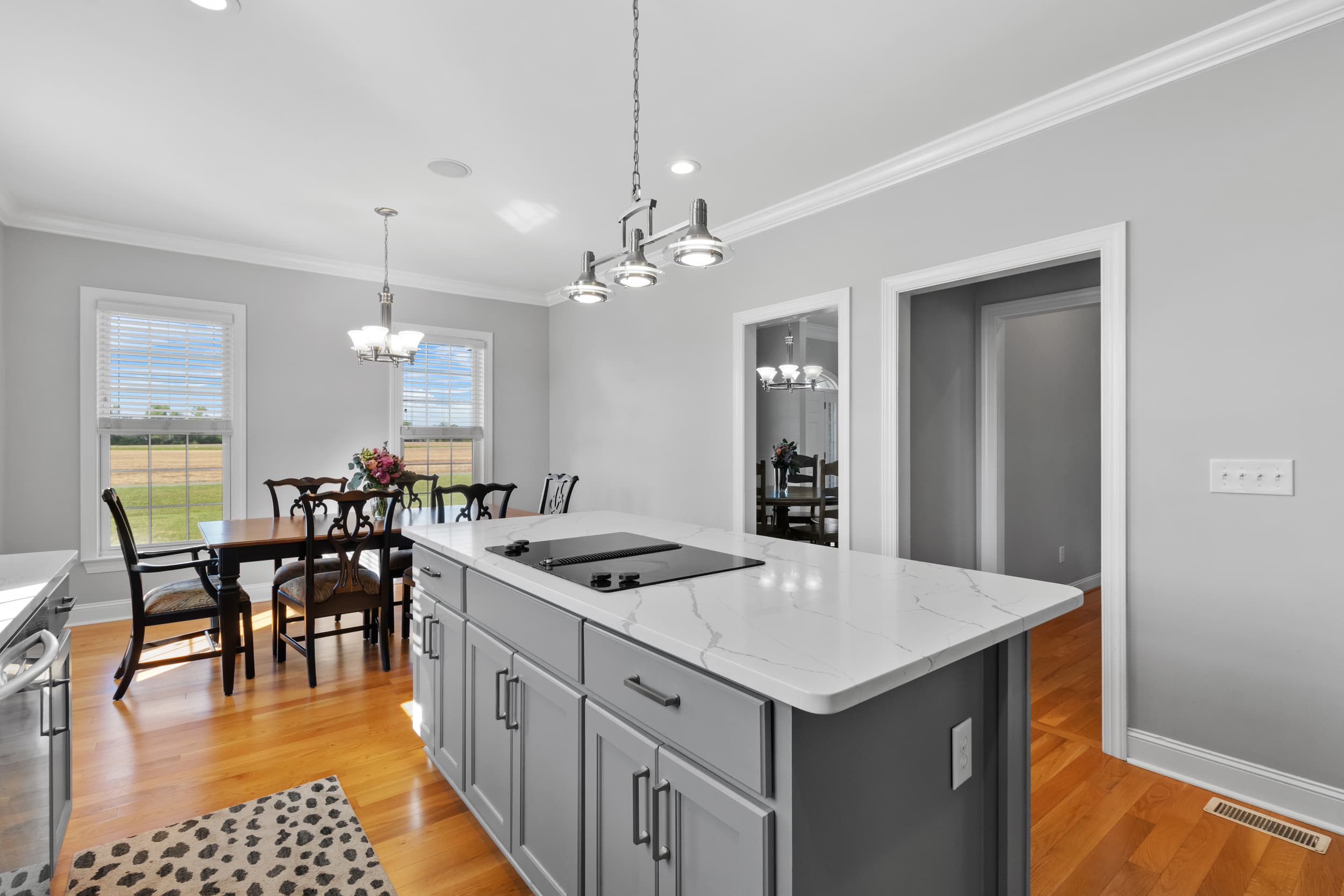
The kitchen deserves extra attention because buyers tend to examine it closely. Grease, crumbs, fingerprints, and crowded counters are especially visible in listing photographs.
Counters and backsplash
- Remove most countertop appliances and decorative items.
- Clean and disinfect countertop surfaces.
- Scrub grout lines and backsplash seams.
- Remove grease near the stove.
- Clean corners where crumbs collect.
- Polish stone or solid-surface counters with an appropriate product.
Leave enough on the counter to show how the space functions, but avoid making it look crowded.
Cabinets and drawers
- Wipe cabinet fronts and handles.
- Remove grease from doors near the range.
- Clean visible shelves.
- Organize cabinets buyers are likely to open.
- Remove expired food and unnecessary duplicates.
- Wipe crumbs and spills from drawers.
- Repair or tighten loose knobs where practical.
Cabinets do not need to be empty, but buyers should be able to see the available storage.
Appliances
- Clean the refrigerator doors, handles, seals, and top.
- Remove magnets, papers, and personal photographs.
- Clean the oven door and cooktop.
- Degrease the range hood.
- Wipe the dishwasher front and edges.
- Clean the microwave inside and out.
- Remove crumbs from the toaster area.
- Clean behind or beneath movable countertop appliances.
When a home is vacant, clean the interiors of the refrigerator, oven, microwave, and dishwasher. Buyers are more likely to inspect empty appliances.
Sink and plumbing fixtures
- Scrub and rinse the sink.
- Remove mineral buildup around the faucet.
- Polish the faucet and handles.
- Clean the drain and disposal opening.
- Remove sponges, brushes, and dishcloths before photographs.
- Check under the sink for leaks, clutter, or odors.
Floors and final details
- Vacuum edges and beneath cabinet overhangs.
- Mop the entire floor.
- Clean baseboards and toe kicks.
- Wipe light switches and outlet covers.
- Dust fixtures and vents.
- Empty and clean the trash can.
- Remove pet bowls before photographs when practical.
Bathroom Cleaning Checklist
Bathrooms should look dry, bright, and easy to maintain. Soap residue, hard-water spots, mildew, and personal products can quickly make a bathroom feel less clean than it is.
Shower and bathtub
- Remove soap scum from walls and doors.
- Clean grout and caulk lines.
- Remove visible mildew.
- Polish shower fixtures.
- Clear the drain area.
- Wash or replace visibly worn shower curtains.
- Remove bottles, razors, washcloths, and bath toys.
- Clean the bathtub thoroughly.
Damaged caulk may need to be replaced rather than scrubbed repeatedly.
Toilet and sink
- Clean the toilet bowl, lid, seat, base, and surrounding floor.
- Wipe the wall and trim near the toilet.
- Clean and polish the sink and faucet.
- Remove mineral buildup.
- Clear the countertop.
- Store medications and personal-care products securely.
- Check inside the vanity for leaks or odors.
Mirrors, fixtures, and floors
- Clean mirrors without leaving streaks.
- Dust light fixtures and exhaust vents.
- Wipe switch plates and door handles.
- Wash bathmats or remove them for photographs.
- Clean baseboards.
- Vacuum and mop the floor.
- Empty and wash the trash can.
Fresh towels can help the room look orderly, but they should not be used to hide stained surfaces or unfinished repairs.
Bedroom Cleaning Checklist
Bedrooms should feel calm, open, and large enough for their intended use. Cleaning and furniture placement work together in these spaces.
- Wash or vacuum the floors thoroughly.
- Clean beneath the bed where accessible.
- Dust furniture, lamps, and headboards.
- Clean baseboards and windowsills.
- Wipe doors, handles, and switch plates.
- Dust ceiling fans and light fixtures.
- Clean mirrors.
- Remove items from the tops of dressers.
- Store laundry, shoes, charging cords, and personal items.
- Make the bed neatly.
- Wash visibly worn bedding.
- Remove excess furniture that restricts movement.
Avoid filling bedrooms with storage boxes after decluttering the rest of the house. Buyers still need to understand the room’s size and layout.
Living Room and Main Living Area Checklist
Living rooms, dining areas, hallways, and bonus rooms often appear in multiple listing photographs. Dust, floor marks, cords, and crowded furniture can be visible from several angles.
- Dust furniture and shelving.
- Clean television screens carefully.
- Remove fingerprints from glass and reflective surfaces.
- Vacuum upholstered furniture.
- Wash removable cushion covers when needed.
- Clean beneath and behind movable furniture.
- Dust ceiling fans and light fixtures.
- Wipe vents, doors, handles, and switch plates.
- Clean baseboards and trim.
- Vacuum or mop floors.
- Clean rugs or remove visibly worn ones.
- Organize cords and small electronics.
- Reduce decorative items on shelves and tables.
- Remove pet hair from furniture.
- Clear walkways between rooms.
Fireplaces should also be cleaned. Remove excess ash, soot, decorative clutter, and items stored on or around the hearth.
Closet and Storage-Area Checklist
Buyers often open closets, cabinets, pantries, and built-in storage. Overfilled spaces can make storage feel smaller than it is.
- Remove items that will not be used before the move.
- Donate, sell, store, or discard excess belongings.
- Vacuum or mop closet floors.
- Dust shelves and rods.
- Remove cobwebs.
- Wipe marks from doors and trim.
- Group similar items together.
- Use matching hangers where practical.
- Keep some visible space between hanging clothes.
- Remove items piled against doors.
- Make attic, crawl-space, and utility access points reachable.
Do not move every unwanted item into one closet. A partially filled, orderly space usually shows better than a completely packed one.
Garage Cleaning Checklist
A garage does not need to look like a finished interior room, but buyers should be able to see its size, access points, storage, and major systems.
- Remove trash, broken items, and unused materials.
- Sweep or vacuum the floor.
- Remove cobwebs.
- Wipe accessible shelves and work surfaces.
- Organize tools and lawn equipment.
- Clear paths to doors, electrical panels, water heaters, and other systems.
- Remove oil-soaked materials and obvious spills where possible.
- Clean interior door surfaces.
- Replace burned-out bulbs.
- Remove strong-smelling chemicals or store them safely.
- Make sure the garage door area is accessible.
Large oil stains, pest residue, moisture, or heavy odors may require more than routine cleaning.
Exterior and Entryway Cleaning Checklist
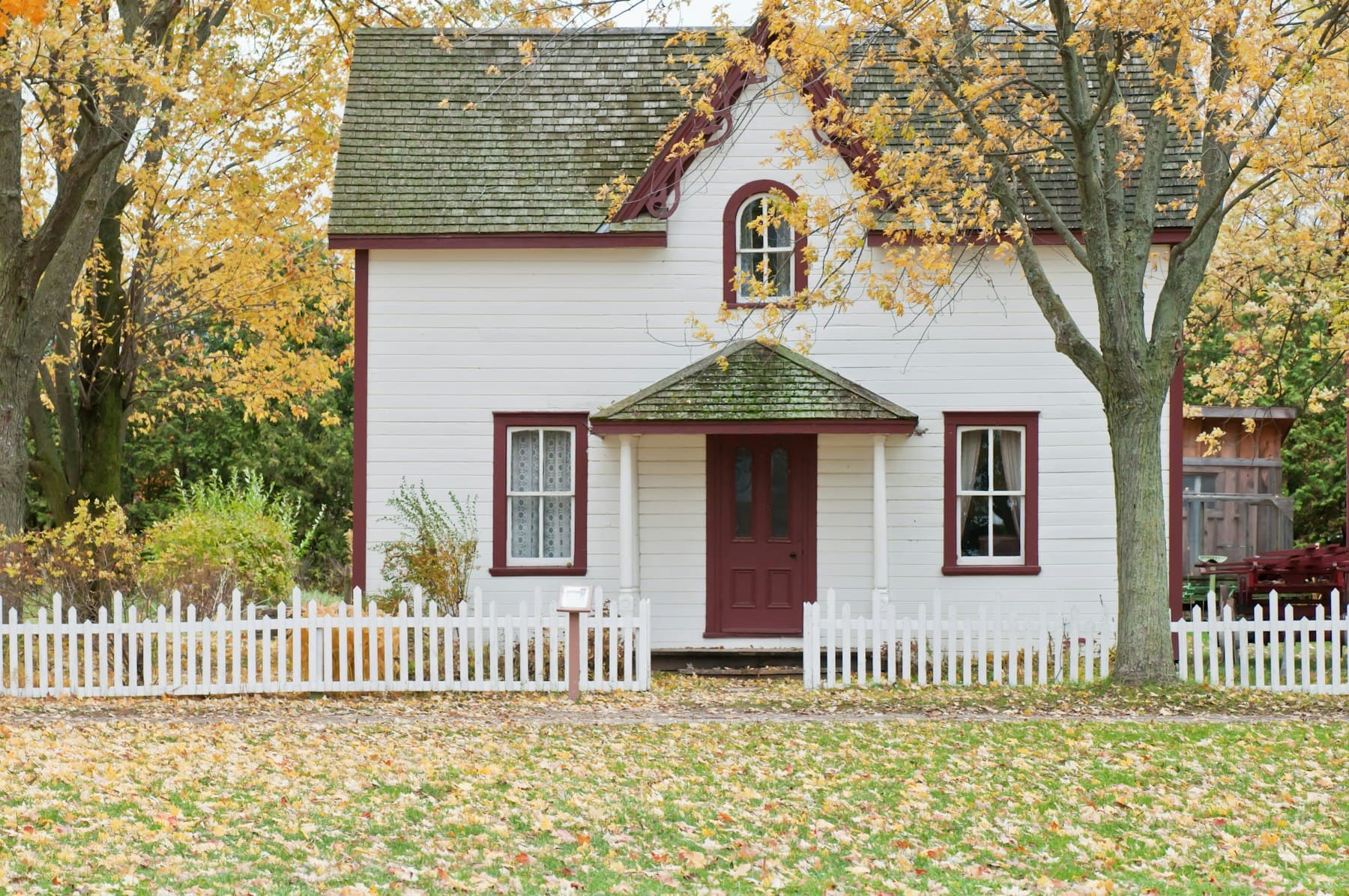
The entry creates the first in-person impression and often appears prominently in listing photographs.
Front porch and door
- Sweep the porch and steps.
- Remove cobwebs and insect nests.
- Wash or wipe the front door.
- Clean door glass.
- Polish or wipe the handle and lock.
- Clean exterior light fixtures.
- Replace burned-out bulbs.
- Shake out or replace the doormat.
- Remove empty planters and damaged decorations.
- Limit seasonal or personal décor.
Walkways and visible exterior surfaces
- Sweep walkways.
- Remove leaves and debris.
- Clean obvious stains where practical.
- Wash dirty siding near the entry.
- Clean porch railings.
- Wipe exterior window frames and sills.
- Clear debris from patios and decks.
- Clean visible outdoor furniture.
- Remove pet waste from the yard.
- Empty outdoor trash and recycling containers.
Pressure washing may be useful when siding, concrete, porches, or patios have visible buildup. Use a method appropriate for the material to avoid damaging paint, wood, siding, roofing, or seals.
Frequently Missed Cleaning Areas
Some of the most noticeable problems are not in the center of a room. Walk through the house and check:
- Tops of refrigerators and cabinets
- Ceiling fan blades
- Air-return grilles and vents
- Window tracks
- Sliding-door tracks
- Door edges and frames
- Light switches
- Outlet covers
- Stair railings
- Baseboard corners
- Behind toilets
- Around pet-feeding areas
- Under furniture
- Beneath appliance edges
- Inside empty drawers
- Tops of water heaters and utility equipment
- Cobwebs in garages, porches, and high corners
These details matter because buyers may interpret widespread dust and buildup as signs that maintenance has also been postponed.
How to Handle Odors Before Listing
Odor should be removed at the source rather than covered with heavy fragrance.
Check for:
- Pet bedding and litter areas
- Carpet and upholstery
- Trash cans
- Refrigerators and disposals
- Damp towels
- Closets with limited airflow
- Smoke residue
- Moisture or mildew
- Garages and utility rooms
- HVAC filters
Strong candles, plug-ins, and sprays can create another distraction. They may also cause buyers to wonder whether an odor is being hidden.
Persistent smoke, pet, sewage, or moisture-related odors may require professional cleaning, repairs, flooring treatment, or other specialized work.
Cleaning an Occupied Home Before Selling
An occupied home needs a plan that can be maintained after the initial deep clean.
Keep a small showing kit with:
- Multipurpose cleaner
- Glass cleaner
- Microfiber cloths
- Paper towels
- A handheld vacuum
- Trash bags
- A laundry basket for quickly collecting loose items
Before each showing:
- Make the beds.
- Empty visible trash cans.
- Wipe kitchen and bathroom counters.
- Remove dirty dishes.
- Put away laundry.
- Vacuum visible debris.
- Check for pet hair and odors.
- Open blinds or curtains where appropriate.
- Turn on lights.
- Remove toiletries and cleaning products from view.
Place loose items in a closed cabinet or storage container, not in the oven, dishwasher, shower, or another area a buyer may inspect.
Cleaning a Vacant Home Before Selling
Vacant homes are easier to access but can reveal dirt and damage that furniture previously concealed.
After the property is empty:
- Clean inside all cabinets, drawers, and closets.
- Clean beneath and behind appliances.
- Remove wall marks where possible.
- Vacuum and mop every room.
- Clean appliance interiors.
- Remove leftover moving supplies.
- Sweep the garage, porch, and storage areas.
- Check corners for insects and cobwebs.
Flush toilets and run faucets periodically if appropriate.
Recheck the home before photographs and showings.
A vacant property may need a second light cleaning after contractors finish painting or repairs.
Should You Clean the House Yourself or Hire a Professional?
DIY cleaning may make sense when the home is maintained, the seller has enough time, and the required work is manageable.
Professional cleaning may be more practical when:
- The listing timeline is compressed.
- The property is large.
- The house is vacant after a move.
- Kitchens and bathrooms need intensive work.
- Pet hair, smoke, or odors are present.
- Sellers are coordinating the sale from another location.
- Painting or repairs have left dust and debris.
- Mobility or physical limitations make the work difficult.
Before hiring a cleaning company, ask for a written scope. Confirm whether the quote includes appliance interiors, cabinets, windows, baseboards, garages, and other services that may be priced separately.
For cost information, see How Much Does It Cost to Clean a House Before Selling?. For the broader preparation budget, read How Much Does It Cost to Get a House Ready to Sell?.
Quick Pre-Listing Cleaning Checklist
Use this condensed list for the final walkthrough before photography or the first showing.
Interior
- Kitchen counters, sink, cabinets, and appliances cleaned
- Bathrooms scrubbed and personal products stored
- Floors vacuumed, swept, or mopped
- Carpets cleaned where needed
- Baseboards and trim wiped
- Mirrors and interior glass cleaned
- Windowsills and tracks cleaned
- Ceiling fans and light fixtures dusted
- Doors, handles, and switch plates wiped
- Trash removed
- Pet hair and odors addressed
- Closets and storage areas organized
- Beds made and laundry stored
- Excess furniture and clutter removed
Garage and exterior
- Garage swept and organized
- Utility access points cleared
- Porch and steps swept
- Front door and hardware cleaned
- Exterior lights cleaned and working
- Walkways cleared
- Visible siding and railings cleaned
- Patio or deck tidied
- Yard waste and pet waste removed
- Outdoor trash containers emptied or moved from view
Clean Enough to Let the Property Speak for Itself
A pre-listing cleaning should make the house easier to evaluate. Buyers should be able to notice the layout, natural light, storage, and condition without being distracted by buildup, clutter, or odors.
Not every room needs the same amount of work. Kitchens, bathrooms, floors, storage areas, and the front entry usually deserve the most attention. A room-by-room plan also makes it easier to divide the work, hire help where needed, and avoid a rushed cleaning the night before photographs.
For sellers in Jacksonville, Onslow County, and the surrounding Coastal North Carolina market, Carroll Harrod and Salt & Soil Realty Group can help identify the preparation items most likely to affect photographs, showings, and buyer impressions. A pre-listing walkthrough can also help determine whether the home needs a professional deep clean or a more focused cleaning plan.
Frequently Asked Questions
How clean should a house be before listing it?
The home should be clean enough that dirt, odors, clutter, and personal items do not distract buyers from the property. Kitchens, bathrooms, floors, baseboards, windows, closets, and the entryway should receive particular attention.
Buyers often open cabinets and closets, so visible shelves and storage areas should be clean and organized. In a vacant home, clean inside all empty cabinets, drawers, and closets.
Professional carpet cleaning may be worthwhile when carpets have visible stains, odors, heavy traffic patterns, or pet hair that ordinary vacuuming cannot remove. Worn or damaged carpeting may require a different strategy.
Clean windows, interior glass, mirrors, and glass doors can improve natural light and reduce visible streaks in photographs. Exterior window cleaning may be especially useful when buildup is noticeable from inside or in listing images.
Schedule the main cleaning after painting, repairs, and most moving activity are complete but before listing photographs. Leave enough time for touch-ups in case contractors create dust or the home is still occupied.
Questions about selling in Jacksonville, NC or Coastal North Carolina? Contact Salt & Soil Realty Group.