
What Should You Keep on Hand During Hurricane Season?
By Carroll Harrod · Salt & Soil Realty Group
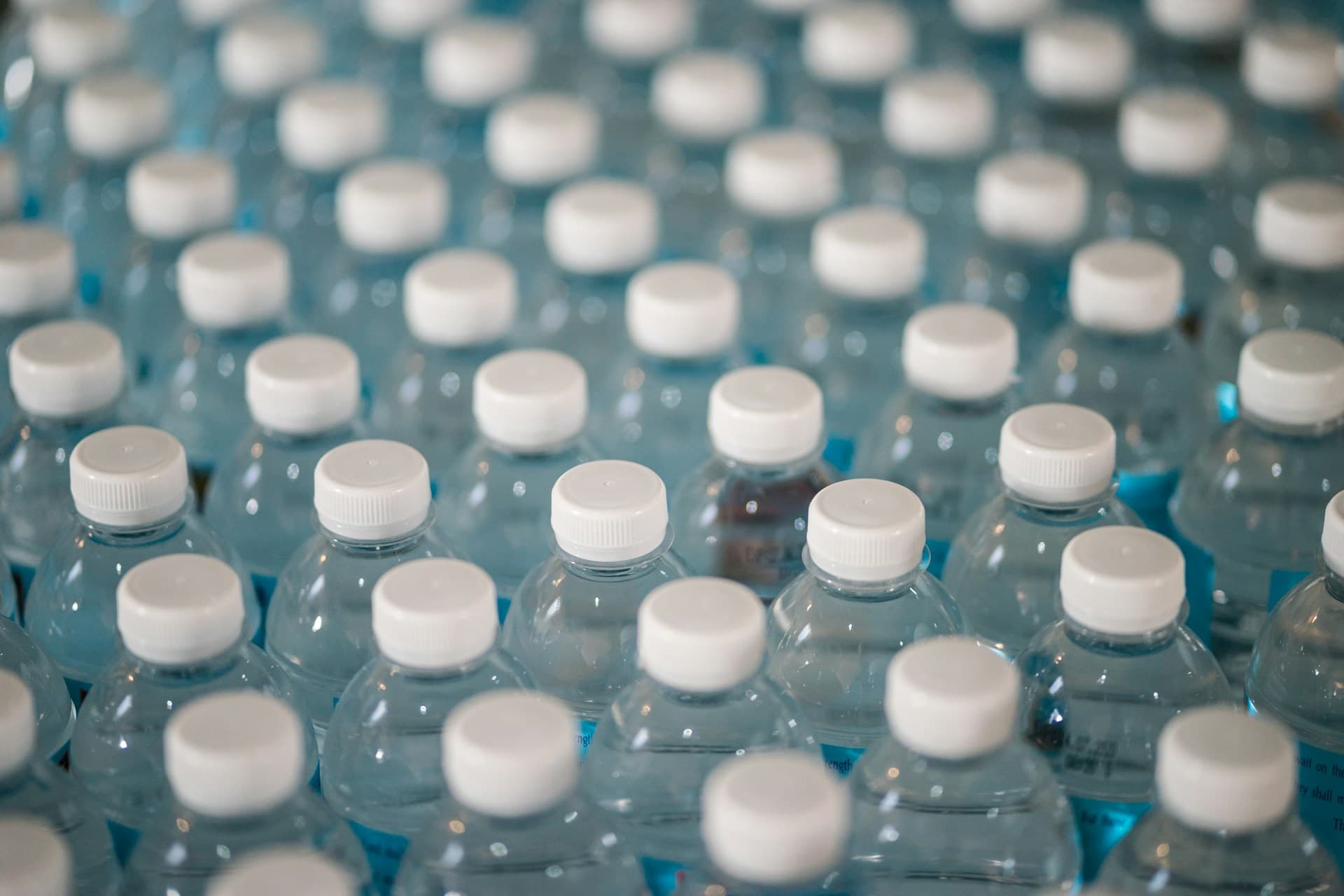
Every hurricane threat around Jacksonville seems to produce the same scene at the grocery store. Bottled water is gone. The bread aisle is picked over. Toilet paper becomes strangely difficult to find, and people load their carts with milk even though a long power outage would make keeping it cold a problem. The easier approach is to keep a reasonable supply of food, water, and household necessities on hand throughout hurricane season. You can buy a little at a time, choose things your household normally uses, and avoid competing for the last case of water when a storm is three days away. Salt & Soil Realty Group is a real estate brokerage, not an insurance agency, emergency management office, or flood-plain manager. This post is educational; confirm hurricane, insurance, and evacuation guidance with official sources and licensed professionals. See **hurricane preparedness, **power and water outages, and prepare home and insurance. Carroll Harrod with Salt & Soil Realty Group helps homeowners and buyers in **Jacksonville, NC** and Coastal North Carolina prepare for storm season with practical local context. ---
How Much Food and Water Should You Store?
Official emergency-kit guidance generally begins with enough food and water to last several days. For households with the storage space and budget to build a larger supply, about two weeks of shelf-stable food and household necessities is a sensible goal. That two-week goal is a practical recommendation, not a universal government requirement. Some households may not have the room or money to store that much at once. Start with a few days and build from there. Water usually takes up the most space. Plan for drinking, basic food preparation, brushing teeth, and other necessary uses. The CDC recommends storing at least one gallon per person per day for three days and trying to store a two-week supply when possible. Remember to include water for pets. Larger dogs, multiple animals, hot weather, pregnancy, illness, and certain medical needs can all increase the amount a household will use. You may also want separate water for washing or flushing toilets. It doesn’t need to take up valuable space beside your drinking water, but it should still be stored in clean, appropriate containers.
Buy Food Your Household Will Actually Eat
An emergency pantry doesn’t need to be filled with expensive survival meals. Ordinary grocery-store food works well as long as it can be stored safely and eaten without relying on a working refrigerator. Depending on your household, that might include:
- Canned meat, tuna, chicken, beans, vegetables, fruit, and soup
- Peanut butter and other shelf-stable spreads
- Crackers, tortillas, cereal, granola bars, and dried fruit
- Shelf-stable milk or individual drink boxes
- Nuts, jerky, and trail mix
- Applesauce, fruit cups, and other easy snacks
Ready-to-eat meals that don’t require cooking
Food that can be heated safely on your available backup cooking equipment
Keep a manual can opener with the food. An electric one won’t be much help during an outage. Try to avoid stocking the pantry with foods no one likes simply because they appear on an emergency checklist. Buy things your household already eats, use them during the year, and replace them before they expire. That keeps the supply fresh and prevents an entire cabinet of food from being thrown away every few years. Milk deserves a special mention. It routinely disappears from stores before storms, even though it can spoil quickly once the power goes out. Buying enough for normal use makes sense. Buying several extra gallons immediately before a possible outage usually creates another problem to manage.
Remember Medication and Daily Household Needs
Food and water get most of the attention, but running out of a prescription, diapers, or pet food can become a much bigger problem than running out of bread. Check the needs of everyone in the household, including infants, older adults, pets, and anyone with a medical condition or disability. Useful supplies may include:
- Prescription medication and necessary medical supplies
- A basic first-aid kit
Over-the-counter medications your household normally uses
Soap, toothpaste, toilet paper, feminine hygiene products, and hand sanitizer
Diapers, wipes, formula, bottles, and infant food
Pet food, medication, leashes, carriers, waste bags, and vaccination records
Spare glasses, contact-lens supplies, and hearing-aid batteries
Supplies needed for mobility devices or electrically powered medical equipment
Prescription rules, insurance limits, and storage requirements vary. Talk with your pharmacist or medical provider before hurricane season if you’re concerned about keeping enough medication available or maintaining medicine that requires refrigeration.
Add the Equipment You’ll Miss When the Power Goes Out
Walk through an ordinary evening in your home and think about everything that requires electricity or internet service. That exercise usually reveals what is missing from the emergency kit. At a minimum, consider keeping:
- Flashlights and extra batteries
- Battery-powered lanterns
- Charged power banks
- Vehicle charging cords
- A battery-powered or hand-crank weather radio
- A manual can opener
- Cash, preferably including some smaller bills
- Printed copies of important phone numbers
- Paper maps of the local area and possible evacuation routes
Copies of insurance information and other important documents
Avoid relying entirely on your phone. Cellular service can become unreliable, batteries run down, and navigation apps are less useful when mobile data is unavailable. Write down the numbers you would need most, including relatives, insurance contacts, doctors, veterinarians, utilities, and an out-of-area emergency contact. New homeowners can also use our guide on what to do after buying a house to organize safety equipment, important records, maintenance information, and emergency planning after closing.
Keep a Smaller Kit Ready for Evacuation
The supplies stored at home are not the same as the things you would take if you had to leave. Prepare a smaller bag or container that can be loaded into the vehicle quickly. Include water, snacks, medication, chargers, clothing, hygiene items, copies of important documents, cash, and whatever children or pets will need during the trip. Don’t leave temperature-sensitive medication, food, batteries, or electronics sitting in a hot vehicle all summer. Keep the bag ready inside the home and place it in the vehicle when a storm begins to pose a realistic concern. A paper list attached to the bag can cover last-minute items such as medication from the refrigerator, wallets, phones, pet carriers, and medical equipment.
Fuel the Vehicles Before the Rush
Gas stations around Jacksonville can become crowded well before a storm arrives. Some may run low on fuel, lose power, or close as conditions worsen. Fill the vehicles early when a hurricane may affect the area during the coming week. Waiting until an evacuation order is issued can leave you trying to find gasoline at the same time as everyone else. The goal is to have enough fuel for normal storm preparation and a possible evacuation. It isn’t a reason to fill every available container. Store any extra fuel only in approved containers and follow the equipment manufacturer’s instructions and local fire-safety guidance.
Build the Supply Gradually
There’s no need to clear a shelf at the store every June. Add a few items during regular shopping trips. Watch for sales on food, batteries, hygiene products, and pet supplies. Keep everything together where the household can find it, and check the dates a few times a year. This also leaves supplies available for people who genuinely need to shop immediately before a storm. Panic buying creates shortages, wastes money, and often leaves households with far more of one item than they can use. A good hurricane pantry is fairly boring. It contains familiar food, working flashlights, charged batteries, necessary medication, and enough water to make an outage manageable. Supplies are only useful, though, if the rest of the plan is in place. The next article will cover the work that should be done around the home before a storm, along with insurance documents, photographs, window protection, generators, trees, drainage, and other property concerns. Salt & Soil Realty Group helps buyers and homeowners understand the practical side of living in Jacksonville and coastal North Carolina. For emergency instructions during an actual storm, continue to follow Onslow County Emergency Management, ReadyNC, the National Weather Service, and other responsible public agencies.
Sources
ReadyNC, Get a Kit: North Carolina guidance for food, water, radios, flashlights, medication, chargers, cash, maps, pet supplies, and other emergency-kit items. CDC, How to Create and Store an Emergency Water Supply: At least one gallon per person per day for three days, with a two-week supply encouraged when possible. Ready.gov, Build a Kit: Federal emergency-supply guidance covering food, water, communication, power, medication, documents, and individual household needs. CDC, Preparing for Hurricanes or Other Tropical Storms: Guidance for emergency food, water, medicine, and backup power sources. ReadyNC, Pets and Service Animals: Emergency food, water, medication, identification, and records for animals. ReadyNC, Prep a Little, Save a Lot: Guidance for building a household emergency kit gradually instead of buying everything at once. --- Questions about coastal living or storm preparedness in Jacksonville, NC? **Contact Salt & Soil Realty Group**.