How to Prepare Your Home and Insurance Before a Hurricane
By Carroll Harrod · Salt & Soil Realty Group
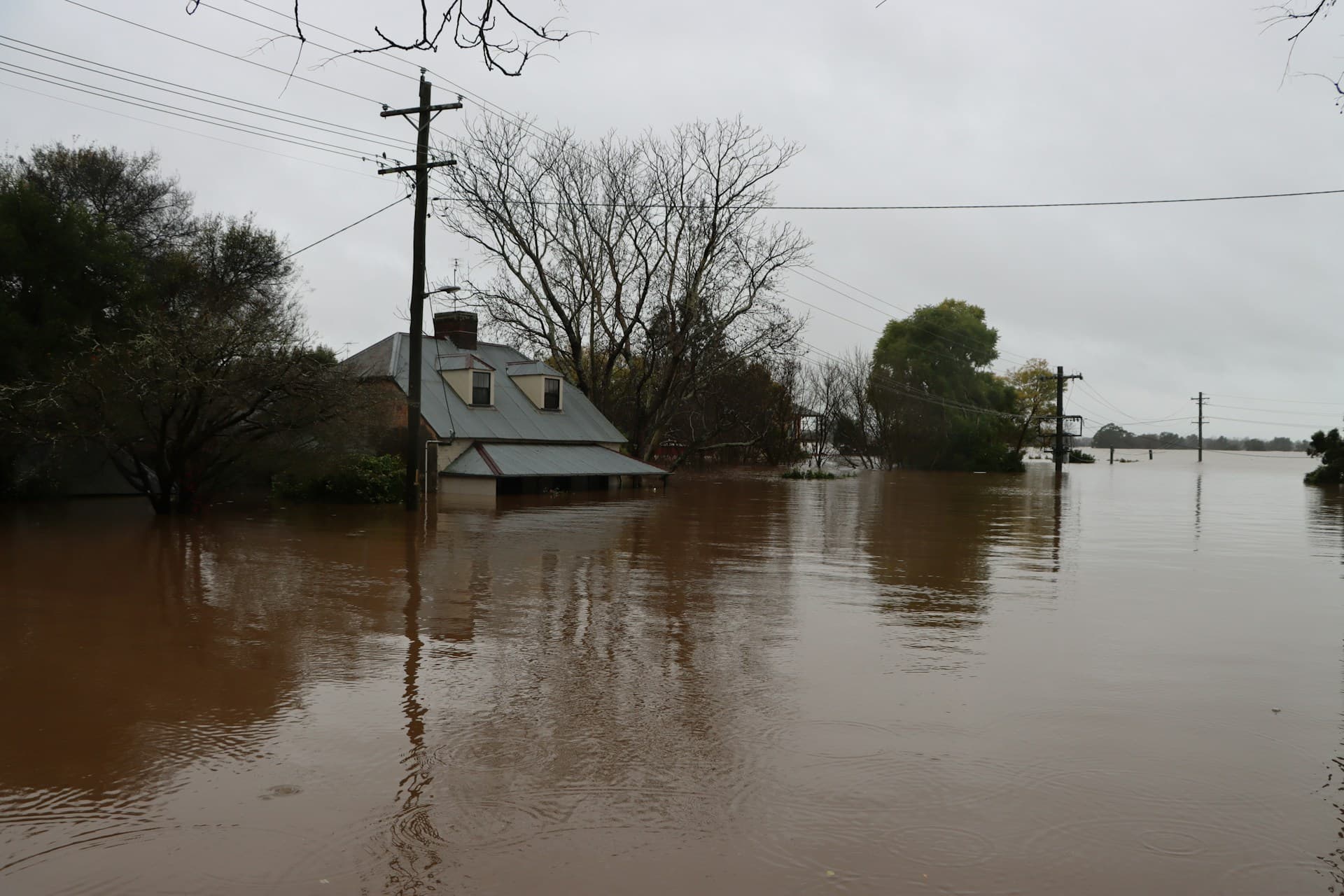
By the time a hurricane is a few days away, the easy preparation window has usually closed. Stores are crowded, contractors are busy, plywood is disappearing, and insurance offices are fielding calls from people who haven’t looked at their policies since closing day. The larger jobs belong on the calendar before a storm is headed toward Eastern North Carolina. Start with the paperwork, then walk the property and see what needs attention. Salt & Soil Realty Group is a real estate brokerage, not an insurance agency, emergency management office, or flood-plain manager. This post is educational; confirm hurricane, insurance, and evacuation guidance with official sources and licensed professionals. See **hurricane preparedness in Jacksonville, **flood zones and coastal insurance, and what to keep on hand. Carroll Harrod with Salt & Soil Realty Group helps homeowners and buyers in **Jacksonville, NC** and Coastal North Carolina prepare for storm season with practical local context. ---
Read Your Insurance Before You Need It
Pull out your insurance policies and look at the actual coverage rather than relying on what you remember from buying the house. If you're unsure, call your insurance agent. Depending on the property and policy, homeowners, wind and hail, and flood coverage may be handled separately. Standard homeowners insurance generally does not cover flooding, and some coastal policies may exclude wind or hail unless that coverage has been added elsewhere. Review the policy limits, exclusions, deductibles, and any separate named-storm deductible. A named-storm deductible may be calculated differently from the flat deductible you would pay for an ordinary claim. Check the section covering temporary living expenses as well. If the home becomes uninhabitable, you’ll want to know what the policy says about lodging, meals, and other additional costs. Detached structures and outdoor improvements deserve their own review. Ask whether the policy covers:
- Sheds and workshops
- Detached garages
- Fences and gates
- Docks and boat lifts
- Equipment stored in outbuildings
Other improvements made since the policy began
Coverage varies widely, so these questions need to go to a licensed insurance professional who can review the property and policy. Salt & Soil Realty Group can help buyers identify insurance questions to raise, but we can’t interpret a policy or tell you whether a future loss will be covered. Our guide to Jacksonville flood zones and insurance costs explains more about the difference between homeowners, flood, and coastal wind coverage.
Make a Record of the Property
A home inventory can be as simple as a written list supported by photographs and video. Walk through each room with your phone and record the furniture, appliances, electronics, tools, and other valuable possessions. Open closets, cabinets, garages, and storage areas. Then continue outside and include the yard, fencing, sheds, workshops, porches, decks, docks, and major improvements. The video doesn’t need to be polished. Move slowly enough that you can tell what is in each room later. Photograph serial numbers, receipts, model numbers, and higher-value items separately. Save copies of the following somewhere you can reach even if the house is damaged or you have to evacuate:
- Insurance policies and contact information
- Home inventory
- Photographs and videos
- Receipts and appraisals
- Mortgage and property records
Identification and other important documents
Secure cloud storage is convenient, but an encrypted drive or paper copy kept away from the property can provide another backup. Make sure at least one other household member knows how to access everything.
Walk the Roofline and Yard
You don’t need to climb onto the roof to spot many common problems. Walk around the house and look for loose shingles, damaged gutters, sagging branches, loose siding, clogged drainage, leaning fence sections, and anything that has already started coming apart. Pay close attention to:
- Roof condition and visible flashing
- Gutters and downspouts
- Ditches, drains, and low areas around the house
- Dead, damaged, or overhanging limbs
- Loose siding, trim, and shutters
- Fences, sheds, carports, and detached structures
Items stored under porches or beside outbuildings
Tree work should be handled well before a storm. Once the wind has started picking up, the safe opportunity has passed. Large limbs, dead branches, trees near structures, and anything close to utility lines should be evaluated by a qualified professional. Buyers should also examine these areas during due diligence rather than assuming the seller has already addressed them. The Jacksonville NC home inspection guide covers roofs, drainage, crawl spaces, windows, exterior systems, and other property concerns worth checking before closing.
Decide How You’ll Protect the Windows
Many homes around Jacksonville have ordinary windows and no permanent hurricane shutters. Find out what your house already has. Previous owners may have left metal panels or pre-cut plywood in a shed or garage, but this is uncommon. If so, check the condition, make sure every piece is labeled, and confirm that the hardware is still available. Anyone planning to use plywood should measure and fit it ahead of time. Buying sheets after a hurricane watch is issued leaves very little room for mistakes, and cutting or installing them as weather deteriorates can become dangerous. Window coverings reduce the chance of windblown debris breaking the glass, but they don’t guarantee that a house will avoid damage. Ask a qualified contractor about permanent shutters, impact-rated products, or other property-specific improvements if you want a longer-term solution.
Test the Generator on a Normal Day
A generator that hasn’t run in two years should not be trusted without testing. Follow the manufacturer’s maintenance schedule. Check the oil, fuel system, cords, plugs, and rated capacity. Make sure everyone who may need to operate it understands the controls and knows which appliances it can safely support. Portable generators must operate outdoors, at least 20 feet from doors, windows, and vents, with the exhaust directed away from buildings. Never run one in a house, garage, shed, carport, crawl space, or other enclosed or partly enclosed area. Have a licensed electrician install any equipment used to connect a generator to the home’s electrical system. Plugging a generator into a wall outlet can send electricity back through the home and utility lines. Store fuel in approved containers and in a safe location away from living areas and ignition sources. Shut the generator down and allow it to cool before adding fuel. Never refuel equipment while it is hot or running. Test the smoke alarms and carbon-monoxide alarms at the same time. Battery backup matters during an outage.
Put Empty Freezer Space to Work
If you have unused room in a chest freezer, fill clean jugs with potable water and freeze them before hurricane season. The frozen jugs help keep the freezer full, which can help it stay cold longer during an outage. They also provide a supply of ice and, once thawed, additional drinking water. Leave room inside each container for the water to expand. A completely full jug can split or force the cap loose as it freezes. Use containers intended for food or drinking water, and clean them before filling. Don’t use containers that previously held chemicals, fuel, pesticides, or anything unsafe for consumption. Our article on the real cost of owning a waterfront home in North Carolina discusses other ongoing costs that can come with storm preparation, coastal insurance, exterior maintenance, docks, and shoreline structures.
Clear the Yard Before the Weather Arrives
Ordinary objects can travel a surprising distance in high wind. Bring in or securely store:
- Patio furniture
- Grills and smokers
- Trash and recycling cans
- Dog houses and portable kennels
- Children’s toys
- Garden tools
- Potted plants
- Lightweight decorations
- Loose building materials
Hoses, ladders, and equipment
Don’t wait until the rain begins. Moving heavy furniture, handling plywood, or climbing ladders becomes riskier as the wind increases. Take a final set of photographs after the yard is cleared and the home is prepared. Those images may help show the condition of the property immediately before the storm.
A Prepared House May Still Need to Be Evacuated
Home preparation can reduce damage and make an outage easier to manage. It cannot remove every risk from storm surge, flooding, falling trees, structural damage, or emergency conditions outside the property. Once the work is finished, turn your attention to where you would go if local officials tell your area to leave. The next article covers evacuation zones, destinations, routes, pets, medications, vehicles, and the supplies that should go with you. Salt & Soil Realty Group helps buyers and homeowners evaluate flood exposure, insurance questions, drainage, property condition, and other practical concerns tied to owning a home in Jacksonville and coastal North Carolina. Insurance, structural, electrical, and tree-safety decisions should be confirmed with the appropriate licensed professionals.
Sources
North Carolina Department of Insurance guidance on homeowners insurance, flood exclusions, wind and hail coverage, named-storm deductibles, additional living expenses, and storm preparation. FEMA and Ready.gov guidance on documenting belongings, safeguarding records, reviewing insurance, and keeping inventories away from the home. CDC and Consumer Product Safety Commission guidance on portable-generator placement, carbon-monoxide alarms, cooling equipment before refueling, and safe operation during outages. USDA Food Safety and Inspection Service guidance on using frozen water containers and ice to fill unused freezer space before a possible outage. Salt & Soil Realty Group’s current blog index and related articles on inspections, flood insurance, and waterfront ownership. --- Questions about coastal living or storm preparedness in Jacksonville, NC? **Contact Salt & Soil Realty Group**.