What Are the Benefits of Buying a House With Cash?
By Carroll Harrod · Salt & Soil Realty Group
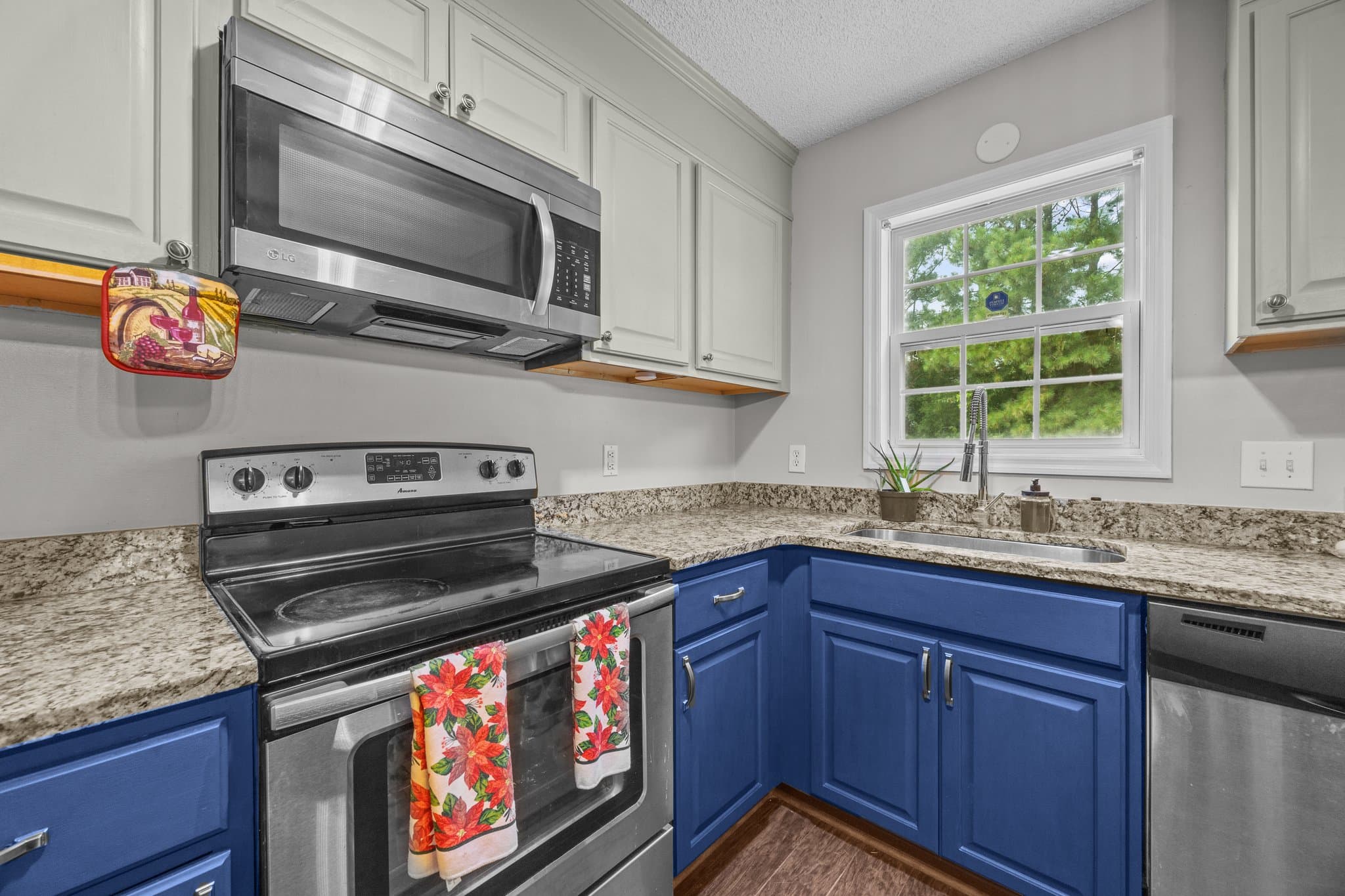
Buying a house with cash can be a powerful move in the right situation. In a competitive market, a cash offer is often attractive because it can remove many of the delays and uncertainties that come with mortgage financing. National Association of REALTORS® reporting also shows that all-cash purchases have remained historically elevated, which helps explain why sellers often take them seriously. (NAR — 2025 Profile of Home Buyers and Sellers) Salt & Soil Realty Group is a real estate brokerage, not a lender, tax advisor, or law firm. This post is educational; structure offers and diligence with your agent, attorney, and financial professionals as applicable. For buyers in Jacksonville, NC and across Coastal North Carolina, the real question is not just can you buy with cash, but whether doing so helps you reach your broader goals. That is where local strategy matters. **Carroll Harrod and **Salt & Soil Realty Group help buyers look beyond the headline and evaluate whether a cash purchase actually creates leverage, reduces risk, or simply ties up too much capital. Related reading: **how buying a house works, **how much are fees when buying a house, and coastal NC home buyer guide. ---
Quick answer: cash can strengthen offers and speed closing—if you still have reserves
Cash does not guarantee a “better” life outcome, but it often reduces financing risk for the seller, can shorten the path to closing, and eliminates mortgage interest on that purchase. The main downside is liquidity: a paid-off house is not the same thing as a healthy emergency fund. Pair the decision with **get pre-approved and **compare mortgage rates context so you are choosing cash instead of financing for the right reasons—not because you skipped running the comparison. ---
Stronger offers: no financing contingency hanging over the deal
One of the clearest benefits of buying a house with cash is that sellers often see it as a lower-risk offer. Without a mortgage lender involved, there is no loan approval hanging over the transaction and no financing contingency tied to whether the lender ultimately says yes. Financing contingencies are designed to protect buyers who need a loan, but from a seller’s perspective, that also means one more way the deal could fail. (Zillow — Financing contingency) That can matter in multiple-offer situations. A seller may choose a cash buyer over a financed buyer even when the financed offer is a little higher, simply because the cash offer looks more certain and easier to close. When competition is fierce, also read what should I know about the Jacksonville housing market right now? and typical home value in Jacksonville so your offer lines up with real list-price behavior. ---
Faster closing without lender underwriting and loan conditions
A cash purchase can often move more quickly because you are not waiting on lender underwriting, lender-required conditions, or many of the mortgage-related steps between contract and closing. NAR’s consumer guidance notes that when a buyer is financing, the lender typically requires tasks like loan approval and often an appraisal before closing. Remove the mortgage, and the transaction can become more streamlined. (NAR — Steps between signing and closing) That faster timeline can be especially useful when:
- a seller wants a quick closing
- a property has strong competition
- you are trying to line up a move with work, school, or a sale of another property
-
you want to reduce the amount of time the transaction is exposed to delays
No mortgage interest on that purchase
When you buy with cash, you are not taking on a home loan, so you do not pay mortgage interest over the life of that loan. That can represent a major long-term savings opportunity compared with financing the purchase over many years. (Rocket Mortgage — Buying a house with cash) For some buyers, that is the biggest advantage of all. Instead of committing to years of principal-and-interest payments, you own the property outright from day one. ---
Fewer lender-driven appraisal problems (value diligence still matters)
If you are paying cash, a lender usually is not requiring an appraisal as part of the loan process. By contrast, when financing is involved, appraisals are commonly required because the lender needs to evaluate the property as collateral. Fannie Mae’s selling guidance states that for most loans the lender must obtain an appraisal unless the file qualifies for a specific appraisal alternative, and NAR explains that appraisals are commonly part of financed transactions. (Fannie Mae — Lender responsibilities (appraisal)) That matters because appraisal problems can create friction. If a home appraises below the contract price in a financed deal, it can trigger renegotiation, extra cash from the buyer, or even cancellation under an appraisal contingency. Cash buyers can often avoid that particular lender-driven hurdle. (Rocket Mortgage — Appraisal contingency) Important: skipping a lender-required appraisal does not mean you should skip evaluating value. A smart cash buyer still needs to make sure the price makes sense. ---
Often fewer loan-specific closing costs
Buying with cash does not eliminate all closing costs. You may still have title work, settlement or attorney fees, recording charges, inspections, insurance, taxes, and other transaction costs. But without a mortgage, you generally avoid many loan-specific fees tied to origination and lender processing. Rocket Mortgage notes that buyer closing costs commonly run as a percentage of the loan amount, which reinforces the point that some costs are specifically connected to financing. (Rocket Mortgage — Closing costs) In plain terms, cash can simplify the closing statement even if it does not make closing free. Cross-check line items with how much are fees when buying a house. ---
Free-and-clear ownership and more monthly budget flexibility
This is not just an emotional benefit. Owning a home without a mortgage means no monthly principal-and-interest payment, more immediate equity, and potentially more flexibility in your monthly budget. For some buyers, that peace of mind is worth as much as the financial math. This can be especially appealing for:
- retirees
- buyers relocating with substantial equity from a prior home sale
- investors seeking simpler cash flow
-
buyers who value stability over leverage
When buying with cash tends to fit best
A cash purchase may be a strong fit when:
- you want maximum negotiating strength
- you are competing for a property that may attract multiple offers
- you have enough reserves left after closing
- you prefer lower monthly obligations
- you are buying an investment property and want simpler numbers
- you are purchasing a property that may be harder to finance conventionally In the Jacksonville, NC area, Carroll Harrod often helps buyers think through whether paying cash is the smartest move for the specific property, not just whether it sounds impressive on paper. A coastal home, buying land on the coast, acreage tract, older home, or investment purchase may each call for a different strategy—similar questions come up in buying a house at auction and "as is" purchases when certainty and speed matter. ---
Tradeoffs: liquidity, reserves, and due diligence
Buying a house with cash is not automatically the best choice for every buyer. One of the biggest risks is liquidity. If putting all your available funds into a home leaves you short on reserves, repairs, insurance, taxes, moving costs, or emergencies, the “benefit” of paying cash can quickly feel less helpful. Major lenders and consumer education sources consistently note the tradeoff between being mortgage-free and tying up a large amount of capital in an illiquid asset. (Rocket Mortgage — Buying a house with cash) You also still need to do careful due diligence. Even if you are not using a lender, you should still strongly consider:
- a home inspection
- title review
- survey review when appropriate
- insurance review (coastal flood zones and insurance where relevant)
- repair estimates
- a thoughtful market value analysis A cash buyer can close faster, but moving fast should not mean moving blind. ---
Why local guidance still matters in a cash deal
Some buyers assume a cash purchase is simple enough that they do not need strong representation. In reality, the speed of a cash transaction can make good guidance even more important. If there is no lender slowing things down, there is also less built-in friction forcing certain checkpoints. That is where Carroll Harrod and Salt & Soil Realty Group bring real value. The goal is not just to help you buy with cash. The goal is to help you buy wisely with cash by evaluating:
- pricing
- contingencies
- inspection strategy
- local market leverage
- property-specific risks (flood zones and coastal buying)
- whether a cash offer should be clean, aggressive, or more protective Start with find a reliable real estate agent and how to find and choose a good agent in Jacksonville if you want interview-style questions before you commit. ---
Bottom line
The benefits of buying a house with cash are real. A stronger offer, faster closing timeline, no mortgage interest, fewer lender-related complications, and immediate ownership can all make cash extremely attractive. But the best cash buyers are not just buyers with funds. They are buyers with a plan. If you are considering buying a house with cash in Jacksonville, NC or anywhere in Coastal North Carolina, Carroll Harrod and Salt & Soil Realty Group can help you decide whether cash is your best strategy, how to structure the offer, and how to protect yourself while moving quickly. If you are thinking about buying with cash and want a local expert to help you evaluate the opportunity, contact Salt & Soil Realty Group for a straightforward conversation about your goals and your options. ---
Frequently Asked Questions
1. Is buying a house with cash always better than getting a mortgage?
No. Buying with cash can strengthen your offer and eliminate interest payments, but it can also tie up funds you may want for reserves, repairs, or other investments. The best choice depends on your liquidity, risk tolerance, and goals. (Rocket Mortgage — Buying a house with cash)
Not usually for lender purposes, because there is no mortgage lender requiring one. But a buyer may still choose to obtain a valuation or comparative market analysis to help avoid overpaying. In financed deals, appraisals are commonly required by lenders. (Fannie Mae — Lender responsibilities)
Yes. Cash buyers typically still pay for items such as title work, settlement services, recording fees, insurance, taxes, and inspections. What they often avoid are many loan-related costs tied to mortgage financing. (Rocket Mortgage — Closing costs)
Often, yes. Sellers frequently prefer cash because there is no financing contingency and fewer lender-driven delays. That can make a cash offer more attractive, even when other offers are competitive. (Zillow — Financing contingency)
Usually, no. Paying cash removes the lender, not the property’s physical risks. A home inspection can still help you uncover needed repairs, deferred maintenance, or larger issues before closing. (Chase — Buying a house with cash)