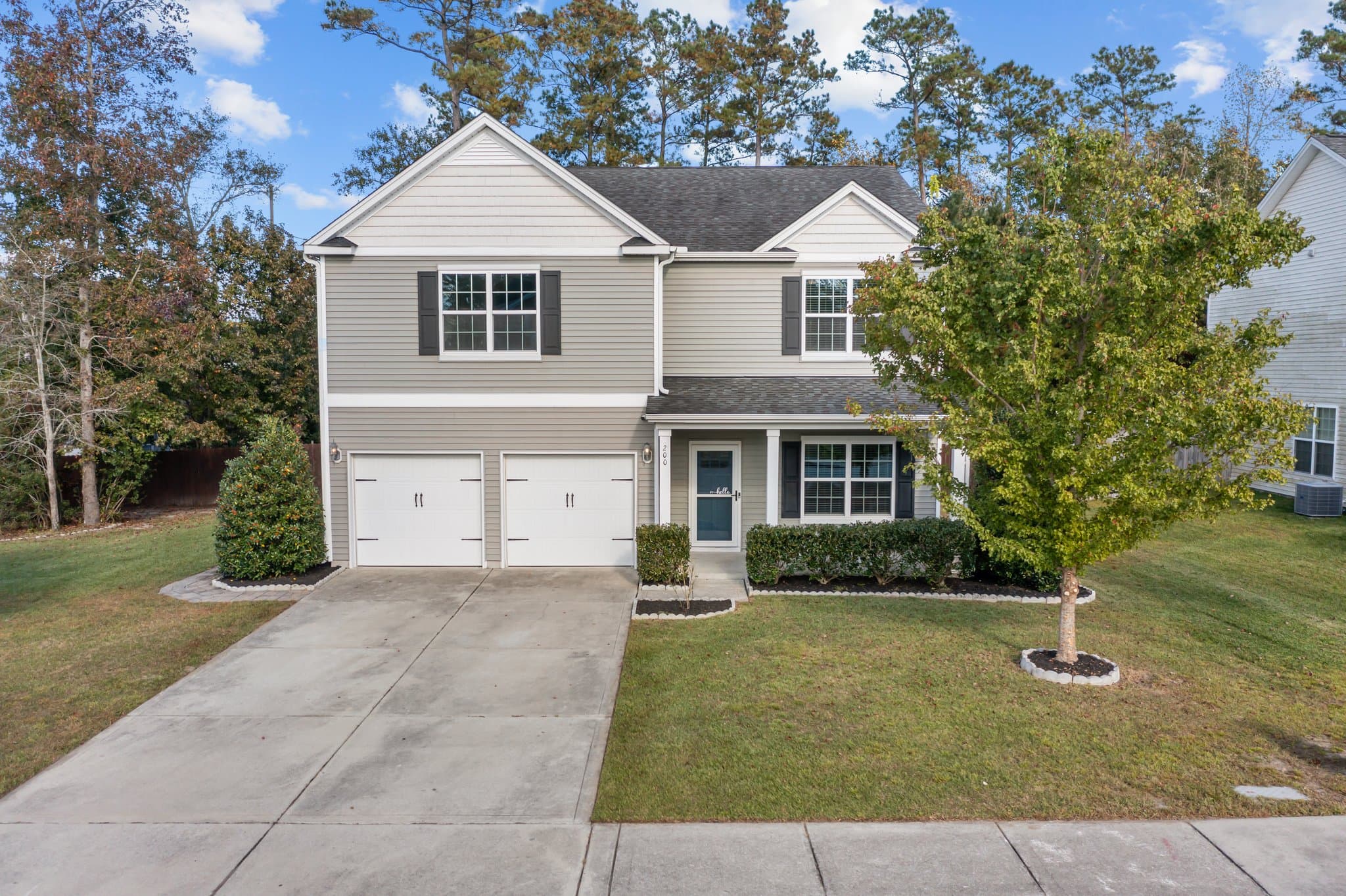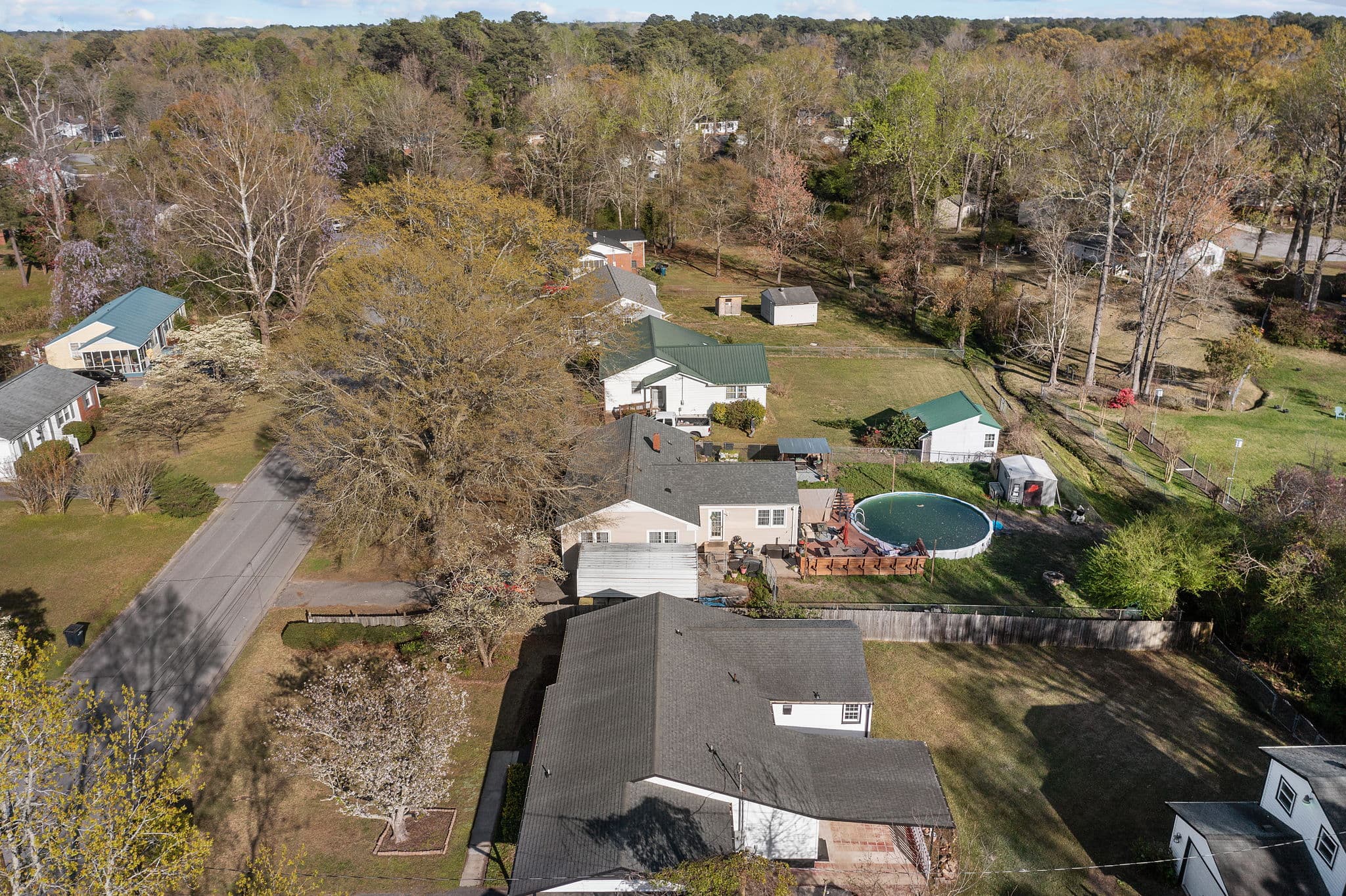
What Should I Know About Buying a House "As Is"?
By Carroll Harrod · Salt & Soil Realty Group
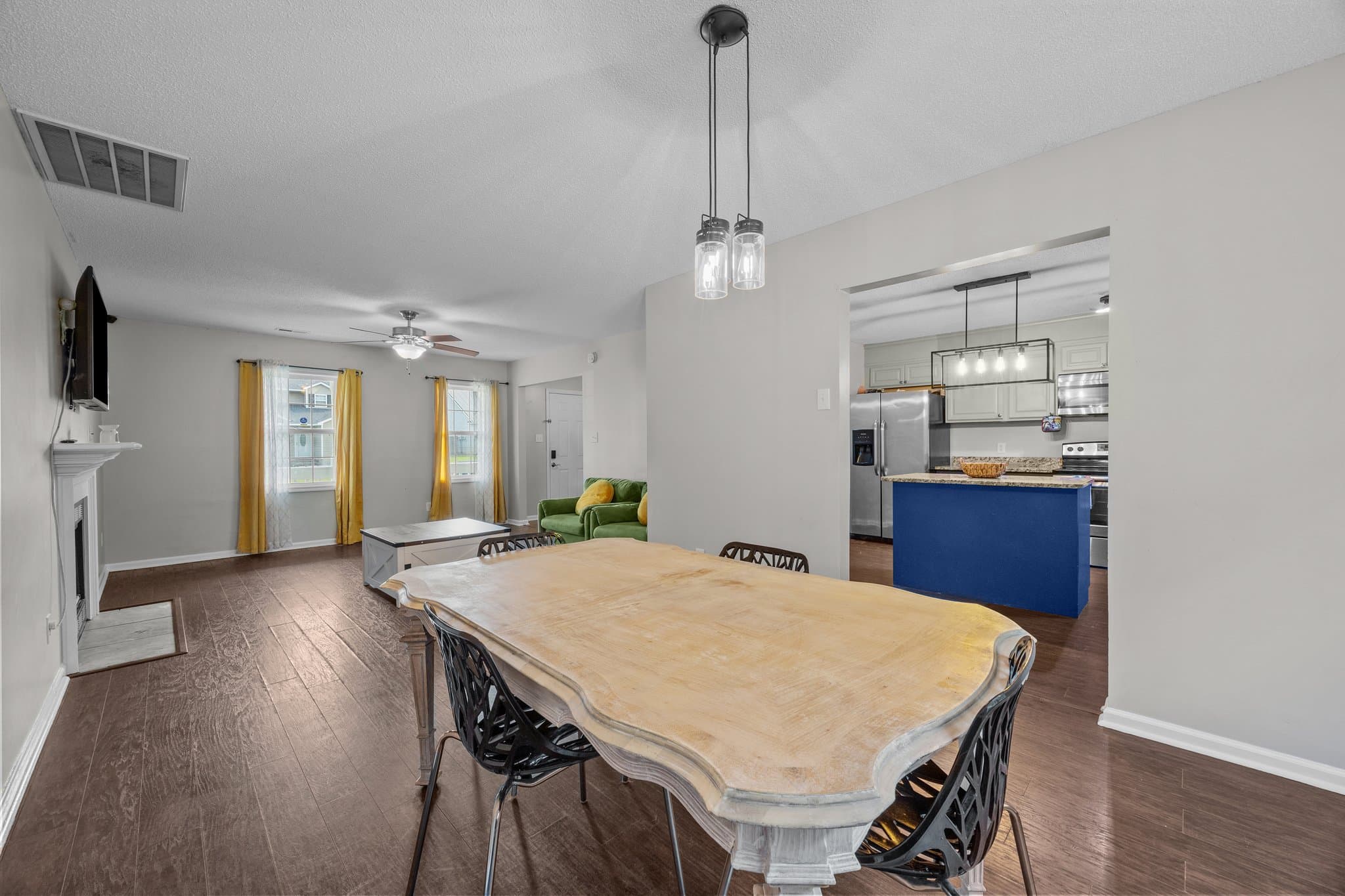
Buying a house "as is" does not mean you are buying it blind, and it does not automatically mean the seller can hide known problems. What it usually means is that the seller is offering the property in its present condition and may be less willing to make repairs or give repair credits after inspections. For buyers, that makes due diligence even more important. HUD says a home inspection is meant to inform and educate you about the property before you make a financial commitment, and the CFPB says an inspection is different from an appraisal, but you generally need both. (HUD — For Your Protection: Get a Home Inspection (PDF)) Salt & Soil Realty Group is a real estate brokerage, not a home inspector, lender, or law firm. This post is educational; confirm contract terms, disclosures, and loan requirements with your agent, inspector, lender, and attorney as applicable. For related reading, see **what to know before buying a house, **what to look for when buying a house, and what should I know about buying a house at auction?. ---
Quick answer: "as is" means limited repair negotiations, not no due diligence
An "as is" house is not automatically a bad deal, and it is not automatically a bargain either. It usually means the seller is signaling limited willingness to repair, not that the buyer should skip inspections or accept unknown risk. The smartest move is to treat "as is" as a cue to investigate harder, price more carefully, and pay close attention to both disclosure and financing issues before you commit. (HUD — Get a Home Inspection (PDF)) ---
What "as is" usually means in a residential sale
What it usually means is that the seller is offering the property in its present condition and may be less willing to make repairs or give repair credits after inspections. Some "as is" properties are being sold that way because the seller wants a simpler transaction. Others are sold "as is" because the property has deferred maintenance, an aging roof, outdated systems, moisture issues, foundation concerns, or other repairs the seller does not want to address. The label itself does not tell you which one it is. The inspection, disclosures, and your own investigation are what tell you that. (HUD — Get a Home Inspection (PDF)) ---
Why inspections matter more, not less, on an as-is purchase
One of the biggest misconceptions about an "as is" sale is that inspections no longer matter. In reality, they matter more. HUD's inspection notice explains that a home inspection gives you more detailed information about the overall condition of the house, and the CFPB says the inspection helps you understand the property while the appraisal is primarily tied to the lender's value decision. In other words, even if a seller says they will not fix anything, you still need to know what you are buying. (HUD — Get a Home Inspection (PDF); CFPB — What is the difference between an appraisal and an inspection?) Pair this with must-haves when buying a house and how buying a house works. ---
Inspection vs appraisal: two different jobs
The CFPB explains that an inspection is for the buyer's understanding of condition, while an appraisal supports the lender's collateral and value decision. On an as-is purchase, you may still need both even when the seller will not negotiate repairs. If the appraiser or lender identifies condition issues that affect value or habitability, that can slow or derail the deal even when you are willing to accept the home as-is. (CFPB — Appraisal vs inspection; CFPB — When can I expect to receive a copy of the appraisal?) ---
North Carolina disclosures still apply in most standard sales
Another important point is that "as is" does not erase disclosure duties. In North Carolina, the Real Estate Commission continues to emphasize disclosure of material facts, and its Residential Property and Owners' Association Disclosure Statement (RPOADS) requirements still apply in most standard residential sales. North Carolina law requires residential property owners to complete the disclosure statement and provide it before any offer to purchase, subject to limited exemptions. The Commission also makes clear that brokers must disclose material facts and cannot rely on "common knowledge" as a reason to omit them. (NCREC — Residential Property and Owners' Association Disclosure Statement; NCREC — Material facts) For North Carolina process context, see what I need to know about buying a house in North Carolina. ---
Financing can still depend on property condition
Financing can also become more complicated with an "as is" house. Even if you are willing to take the property in its current condition, your lender may still care whether the home meets minimum standards for the loan program. The appraisal and any lender-required valuation can affect whether the loan proceeds, and if the appraiser or lender identifies condition issues that affect value or habitability, that can slow or derail the deal. Fannie Mae notes that appraisals are used to determine how much the lender will lend on the property. (Fannie Mae — Selling Guide, appraisal overview) Get your financing baseline in place with get pre-approved for a home loan and compare mortgage rates from providers before you assume an as-is contract will close smoothly. ---
Lead paint and other health or safety issues on older homes
For older homes, buyers should also remember there can be separate risk areas that are easy to overlook when everyone focuses only on "as is" language. HUD's lead-paint guidance explains that for applicable homes, buyers have a period to conduct a lead-based paint risk assessment or inspection after contract signing. That is a reminder that buying "as is" does not eliminate the need to investigate health, safety, or environmental concerns that may come with the property. (HUD — Lead-based paint disclosure) ---
How to price an as-is home: condition, repairs, insurance, and terms
In practical terms, a smart buyer should look at an "as is" home this way: the seller may be telling you up front not to expect repair negotiations, so your leverage has to come earlier, through price, terms, and your decision about whether to proceed at all. Build a realistic repair budget before you stretch on price. See **best ROI home improvements for sellers for the kinds of condition issues that often matter after you own the home, and **compare home insurance quotes quickly for coastal North Carolina properties. If flood or wind exposure is in play, review how flood zones affect coastal home buying early—not after you are under contract. ---
Jacksonville and Eastern NC: local judgment beyond the label
In Jacksonville, NC and across Eastern North Carolina, Carroll Harrod helps buyers look past the phrase "as is" and focus on what actually matters: condition, likely repair cost, insurance implications, financing risk, and whether the price really makes sense for the amount of work involved. That local conclusion is an inference, but it is grounded in the inspection, appraisal, and disclosure framework described above. For a full buyer roadmap, use the **coastal NC home buyer guide and **find a reliable real estate agent. ---
Final thoughts
An "as is" house is not automatically a bad deal, and it is not automatically a bargain either. It usually means the seller is signaling limited willingness to repair, not that the buyer should skip inspections or accept unknown risk. The smartest move is to treat "as is" as a cue to investigate harder, price more carefully, and pay close attention to both disclosure and financing issues before you commit. (HUD — Get a Home Inspection (PDF)) If you are thinking about buying an "as is" house in Jacksonville, NC or anywhere in Eastern North Carolina, contact Salt & Soil Realty Group. Carroll Harrod can help you evaluate whether the price and condition actually line up before you move forward. ---
Frequently Asked Questions
1. What does "as is" mean when buying a house?
It generally means the seller is offering the property in its current condition and may be less willing to make repairs, but it does not eliminate your need for inspections or the seller's disclosure duties where they apply. HUD and the CFPB both emphasize the importance of inspections, and North Carolina still requires residential disclosure in most standard sales. (HUD — Get a Home Inspection (PDF))
Yes. HUD says the purpose of a home inspection is to inform and educate you about the property before you make a financial commitment, and the CFPB says an inspection is different from an appraisal and that you generally need both. (HUD — Get a Home Inspection (PDF); CFPB — Appraisal vs inspection)
Not necessarily. In North Carolina, sellers generally still have disclosure obligations under the residential disclosure form, and brokers still have duties to disclose material facts. (NCREC — Material facts)
Sometimes, yes, but it depends on the property and the loan program. The appraisal and other lender-required valuations can affect whether the lender will approve the loan and how much it will lend. (CFPB — Appraisal copy timing)
No. A lower price does not automatically make it a better deal if repairs, condition issues, or financing problems eat up the discount. The value of the deal depends on what the inspection, disclosures, and financing process reveal. (HUD — Get a Home Inspection (PDF))