What Should I Know About Buying a House at Auction?
By Carroll Harrod · Salt & Soil Realty Group
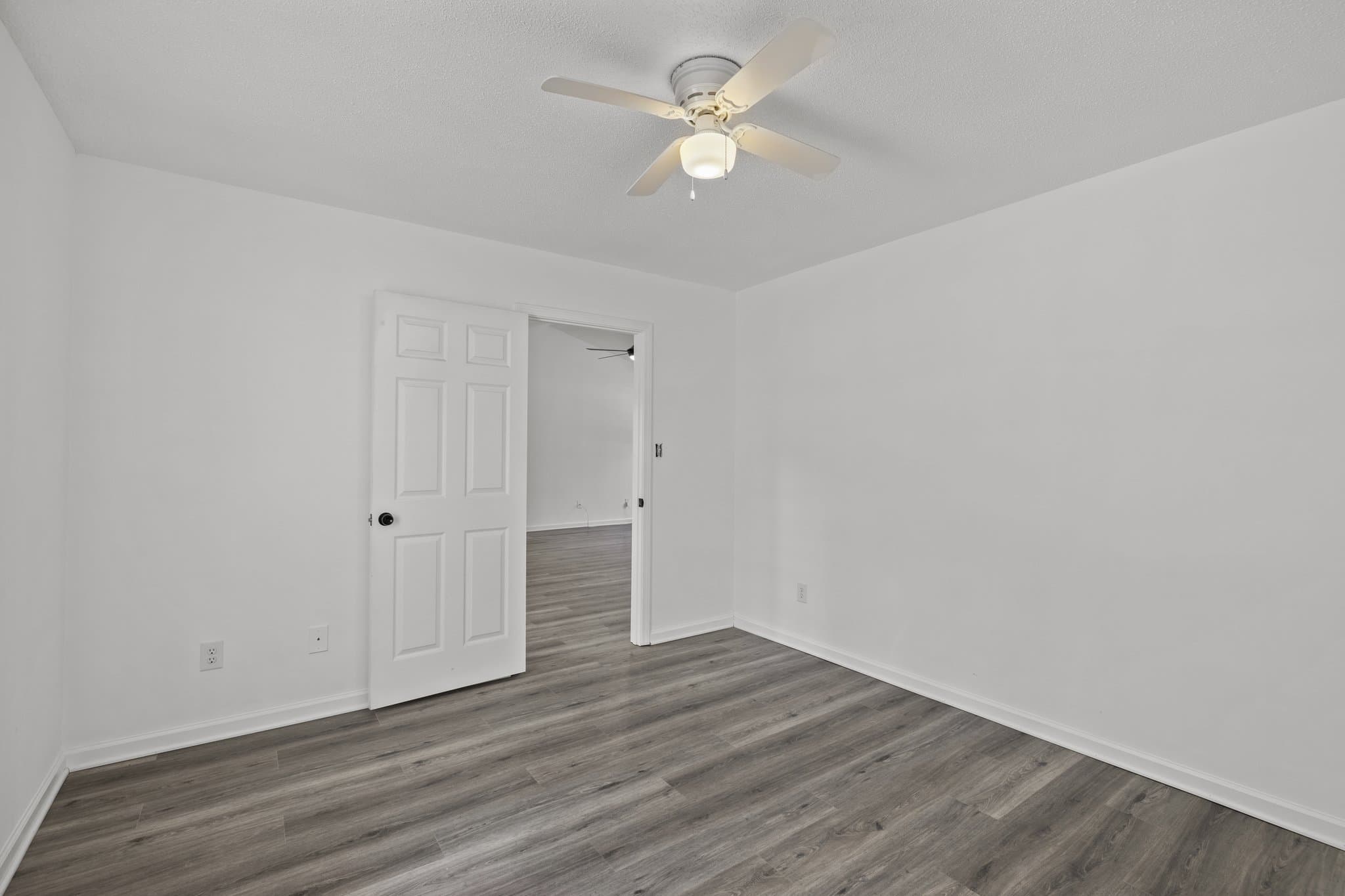
Buying a house at auction can sometimes create opportunity, but it is one of the easiest ways to get into trouble if you treat it like a normal home purchase. In many auction situations, you may have limited access to the property, limited inspection rights, tight payment deadlines, title issues to research, and fewer ways to back out if you discover a problem later. That is why buying at auction is less about finding a bargain and more about managing risk well. Current guidance from HUD and North Carolina court and statute sources supports that cautious approach. (HUD Homes) Salt & Soil Realty Group is a real estate brokerage, not a law firm, auctioneer, title company, or lender. This post is educational. For legal advice on foreclosure sales, title, or contract rights, consult a North Carolina real estate attorney before you bid. For a standard purchase path, compare **how buying a house works, **what to know before buying a house, and the coastal NC home buyer guide. ---
Quick answer: auction buys are about risk management, not bargains
Buying at auction can work, but it is usually best for buyers who are highly prepared, financially flexible, and comfortable with more uncertainty than a normal purchase allows. Before bidding, know what kind of auction it is, understand the deposit rules, research title, verify occupancy if possible, inspect whatever you can inspect, and make sure your financing or funds can meet the deadline. In North Carolina, also remember that a winning bid at a foreclosure sale may still be subject to the upset bid period before the sale is finalized. (North Carolina Courts — After a foreclosure sale) ---
Not all real estate auctions use the same rules
One of the first things to know is that not all real estate auctions are the same. Some are foreclosure sales, some are judicial sales, some are tax-related sales, and some are bank- or government-owned property auctions. HUD, for example, separately markets certain federal properties for sale, and the process for those properties is not the same as a courthouse foreclosure auction in North Carolina. That matters because the rules for deposits, title, timelines, occupancy, and bidding may be very different depending on the type of sale. (HUD Homes) ---
North Carolina upset bid period after a foreclosure sale
In North Carolina, one of the biggest things buyers need to understand is the upset bid period. The North Carolina Judicial Branch explains that after a foreclosure sale is conducted, there is generally a 10-day upset bid period during which another bidder can come in with a higher bid. Each new upset bid starts a new 10-day period. North Carolina General Statute 45-21.27 also states that the upset bid requires a deposit of at least 5% of the amount of the upset bid, but never less than $750. That means winning the auction on sale day does not always mean the property is truly yours yet. (North Carolina Courts — After a foreclosure sale; N.C.G.S. 45-21.27) ---
As-is sales: fewer protections than a normal MLS purchase
Another major issue is that auction properties are often sold as-is. In practical terms, that usually means you may have little or no ability to require repairs, renegotiate after the sale, or cancel because the condition turned out worse than expected. HUD's buyer materials for property sales emphasize obtaining and reviewing the available bid materials before bidding, and North Carolina foreclosure procedures do not function like a standard retail home purchase with a negotiated inspection period. That is why a buyer should never assume an auction deal comes with the same protections they would expect in a normal MLS transaction. (HUD Homes) For inspection mindset on any purchase, see must-haves when buying a house. ---
Limited property access before you bid
Access can also be limited. Some auction buyers are not able to fully inspect the interior before bidding, especially in foreclosure situations. Fannie Mae's servicing guidance for foreclosure sales shows that even servicers must ensure inspections close to foreclosure sale timing, which tells you there is real importance placed on property-condition uncertainty before auction. For a retail buyer, that uncertainty can be even greater if access is restricted. (Fannie Mae Selling Guide — foreclosure sales) ---
Title, liens, and why an attorney matters early
Title is another area where buyers can get burned. Buying at auction is not the same thing as buying a clean, fully underwritten resale with a normal closing process. You need to understand what liens, taxes, HOA obligations, occupancy issues, or other title defects may survive the sale or create additional cost. The North Carolina court system's foreclosure guidance makes clear that foreclosure is a legal process with multiple steps and notices, and auction buyers should understand exactly what interest is being sold before they bid. This is one of the strongest reasons to involve a real estate attorney early if you are considering an auction purchase in North Carolina. (North Carolina Courts — Foreclosure) Inherited-property and estate sales involve different legal paths. Compare selling an inherited house in Onslow County if the situation involves probate rather than courthouse auction. ---
Financing and appraisal timing rarely match auction deadlines
Financing is another common trap. Some auction sales require cash or very fast proof of funds. Even when financing is allowed, traditional mortgage timing may not line up well with auction deadlines. If you do seek financing, the CFPB's appraisal-related rules make clear that lenders provide appraisals and written valuations in connection with credit applications, but that process assumes a more conventional financing timeline than many auctions offer. In other words, a property may be theoretically financeable yet still impractical to finance within the auction timetable. (CFPB — Regulation Z appraisal rules) Get your baseline in order with get pre-approved for a home loan and compare mortgage rates from providers before assuming auction financing will work on your timeline. ---
Build your budget backward: price plus repairs plus legal and carrying costs
Buyers should also be careful not to confuse potential discount with actual value. A low opening bid does not mean the final purchase will be cheap, and it definitely does not mean the property is a good deal once repairs, unpaid obligations, title work, and holding costs are added in. A house bought at auction may need major deferred maintenance, occupancy resolution, legal work, or immediate cash outlays. That is why the smartest auction buyers build their budget backward: purchase price + repairs + legal/title costs + carrying costs, and only then decide what the top bid should be. That budgeting logic is an inference based on the as-is, upset-bid, and legal-process realities described in the sources above. (North Carolina Courts — After a foreclosure sale) Also budget how much are fees when buying a house? and compare home insurance quotes for coastal North Carolina properties. ---
Jacksonville and Eastern NC: local factors that change the auction math
For buyers in Jacksonville, NC and across Eastern North Carolina, the local angle matters too. A house at auction near Camp Lejeune, MCAS New River, or elsewhere in Onslow County may look attractive on paper, but local factors like insurance costs, condition issues, flood exposure, rental demand, and repair market realities can materially change whether the deal is actually strong. That is where Carroll Harrod brings real value. Auction properties are not just about "winning." They are about knowing when not to bid, what risks matter locally, and whether the property still makes sense after the excitement of auction day is stripped away. That last point is an informed local-market inference, but it follows directly from the broader risks documented in HUD and North Carolina foreclosure materials. For local context, review **how flood zones affect coastal home buying, **what you need to know about buying a house in North Carolina, and find a reliable real estate agent before you go it alone. ---
Final thoughts
Buying a house at auction can work, but it is usually best for buyers who are highly prepared, financially flexible, and comfortable with more uncertainty than a normal purchase allows. Before bidding, know what kind of auction it is, understand the deposit rules, research title, verify occupancy if possible, inspect whatever you can inspect, and make sure your financing or funds can meet the deadline. In North Carolina, also remember that a winning bid at a foreclosure sale may still be subject to the upset bid period before the sale is finalized. (North Carolina Courts — After a foreclosure sale) If you are considering an auction property in Jacksonville, NC or anywhere in Eastern North Carolina, contact Salt & Soil Realty Group. Carroll Harrod can help you think through whether the property looks like a genuine opportunity or just a risky number on paper. ---
Frequently Asked Questions
1. Is buying a house at auction cheaper than buying a normal listed home?
Sometimes, but not automatically. Auction properties may carry more risk, deferred maintenance, legal complexity, or limited inspection access, which can erase the apparent discount. HUD and North Carolina foreclosure materials both support the need for careful review before bidding. (HUD Homes)
The North Carolina Judicial Branch says that after a foreclosure sale, there is generally a 10-day upset bid period during which a higher bid can be filed. Each new upset bid starts a new 10-day period. (North Carolina Courts — After a foreclosure sale)
North Carolina General Statute 45-21.27 says the required deposit is at least 5% of the upset bid amount, but not less than $750. (N.C.G.S. 45-21.27)
Sometimes only partially, and sometimes not at all, depending on the type of auction and who controls the property. That limited access is one of the biggest risks of buying at auction. (HUD Homes)
That is usually a smart move, especially if the sale involves foreclosure or any title uncertainty. North Carolina foreclosure sales are part of a formal legal process, and buyers should understand exactly what interest is being sold before bidding. (North Carolina Courts — Foreclosure)