What Is Summer Weather Like in Jacksonville, NC?
By Carroll Harrod · Salt & Soil Realty Group
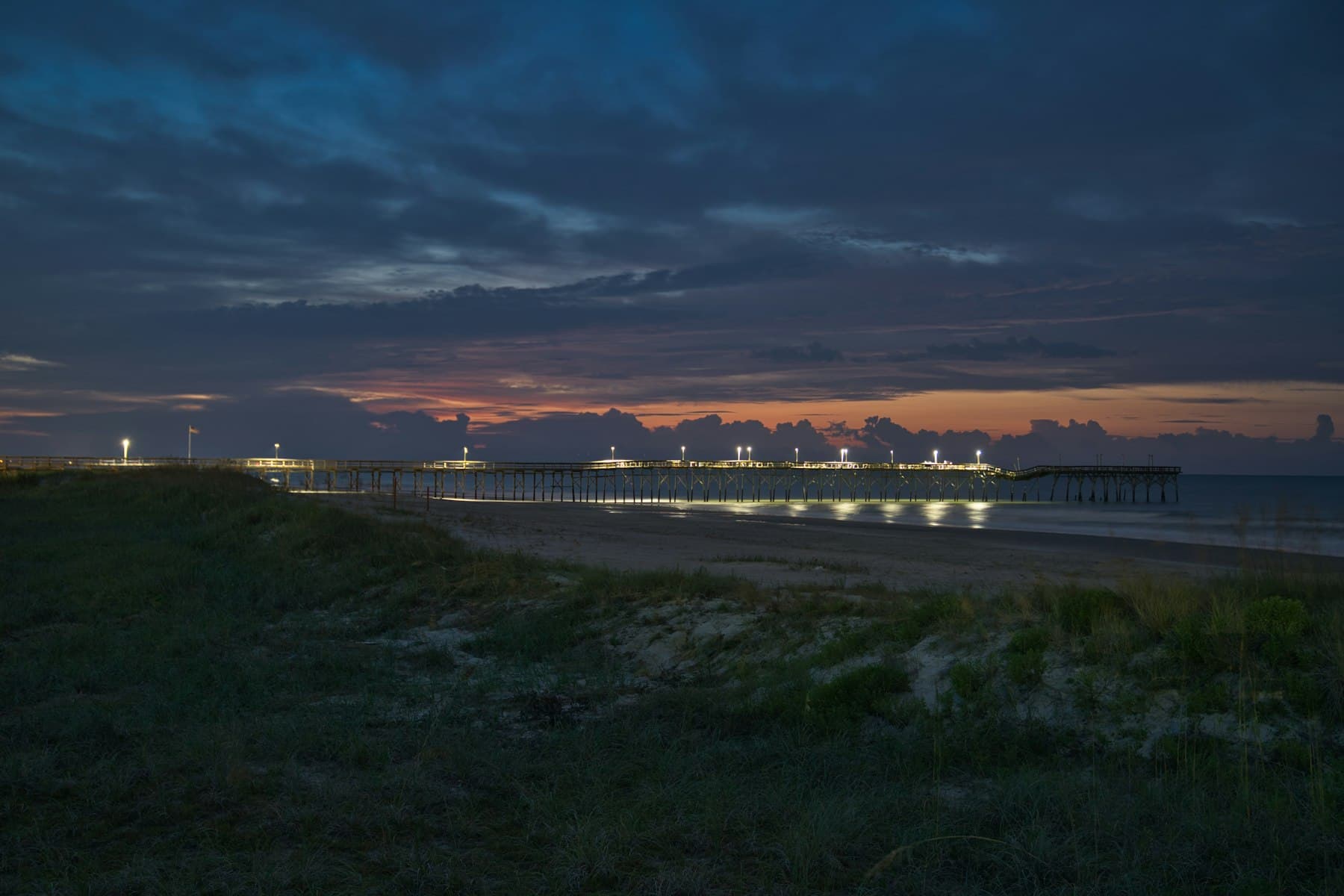
Summer in Jacksonville, NC is hot, humid, and rainy. Afternoon temperatures usually reach the upper 80s, nighttime temperatures stay warm, and scattered thunderstorms are common. July is normally the hottest month, while August tends to bring the most rain.
The heat usually feels stronger than the temperature suggests because there is so much moisture in the air. An afternoon in the upper 80s can feel much hotter in full sun, especially when there is little wind.
People who have lived here for a while adjust their routines. Yard work happens earlier. Longer walks wait until evening. Beach and boating plans come with a quick look at the radar. A water bottle, sunscreen, and bug spray tend to stay close by.
Salt & Soil Realty Group is a real estate brokerage. This post is educational local weather and lifestyle context; confirm forecasts and emergency guidance with official sources.
See year-round weather, hurricane preparedness, and fall weather.
Carroll Harrod with Salt & Soil Realty Group helps people relocating to Jacksonville, NC understand local climate, seasons, and neighborhood fit before they buy.
June Is When Summer Settles In
June normally brings afternoon highs in the mid to upper 80s, with nighttime lows in the upper 60s.
Early mornings can still feel fairly comfortable, particularly at the beginning of the month. By afternoon, the humidity is usually easy to notice. Cars are hot when you get into them, shaded porches feel better than open yards, and air conditioning becomes part of the daily routine.
June also marks the official beginning of Atlantic hurricane season. Tropical activity is usually not the main feature of every June forecast, but this is a good time to check emergency supplies, review insurance information, and take care of outdoor projects before the busiest part of the season.
For someone making a summer PCS move, June weather can make unloading and setting up a home more tiring than expected. Starting early, keeping drinks available, and building weather delays into the schedule can make the day easier.
July Brings the Strongest Heat
July is normally Jacksonville’s hottest month. Average highs at New River Marine Corps Air Facility are close to 90 degrees, and average nighttime lows stay in the low 70s.
The warm nights catch many newcomers off guard. In a drier climate, a hot day may cool down quickly after sunset. Jacksonville often holds onto the heat well into the evening.
Humidity adds to the strain. The heat index combines air temperature and humidity to describe how hot conditions feel to the body. Direct sunlight can make an already hot afternoon feel harsher.
Mowing, exercising, moving furniture, working on fencing, or handling other strenuous jobs is usually easier in the morning. During stretches of dangerous heat, follow National Weather Service guidance and take breaks before you feel worn out.
August Is Hot and Often Wetter
August is only slightly cooler than July in the long-term averages. Afternoon highs remain in the upper 80s, and nights stay in the low 70s.
It is also the wettest summer month in the New River MCAF climate normals, averaging about seven and a half inches of rain. That total varies from year to year. Some of the rain comes from ordinary summer thunderstorms, while tropical moisture can produce longer or heavier periods of rain.
By August, lawns may be growing quickly, ditches can stay wet, and low areas may take longer to dry. Homeowners often spend as much time managing growth and moisture as they do dealing with the temperature.
Humidity Is the Part You Feel All Day
Jacksonville summer humidity often shows up before the temperature gets especially high. Early mornings can feel damp, and shaded areas may still feel muggy.
Sweat cools the body as it evaporates. High humidity slows that process, so outdoor work can feel harder than it would at the same temperature in a dry climate.
A few habits help:
- start outdoor work earlier
- take breaks in shade or air conditioning
- drink water regularly
- wear lightweight clothing
- use sunscreen even on hazy days
- check the heat index before a long outdoor project
Outdoor pets and livestock also need reliable water, shade, and ventilation. Their needs vary by species, health, housing, and activity level, so owners should plan ahead for extended hot weather.
Afternoon Storms Are Part of the Routine
Summer thunderstorms often build during the afternoon as heat and moisture collect through the day.
One part of Jacksonville may get a hard downpour while another part stays dry. Some storms last only a short time, while others bring frequent lightning, gusty wind, and enough rain to cover roads or overwhelm drainage for a while.
For homeowners, summer storms make it worth checking:
- gutters and downspouts
- roof condition
- drainage around the foundation
- crawlspace moisture
- dead limbs near the home
- fences, sheds, and loose outdoor items
A heavy storm can also reveal problems that are harder to see during dry weather. Buyers touring property after rain may notice standing water, washed areas along a driveway, overflowing ditches, or dampness around a crawlspace entrance.
Those observations should lead to more questions, not quick conclusions. Drainage, flood exposure, elevation, inspections, and insurance requirements need to be evaluated for the individual property.
Beach, Boating, and Fishing Weather
Summer is the main season for beach trips, boating, paddling, and off-shore fishing around Jacksonville and the nearby coast.
Morning trips often bring lighter heat and a lower chance of afternoon storms. Conditions can still change quickly, especially on the water.
Before leaving, check:
- the marine forecast
- wind and wave conditions
- thunderstorm chances
- tides
- rip-current risk
tropical-weather updates
A sunny beach forecast does not guarantee calm water. Rip currents can be present on clear days, and distant storms can affect surf conditions far from the storm itself.
Boats, docks, lifts, trailers, and waterfront equipment also need regular attention through the summer. Sun, salt, humidity, and repeated rain can be hard on batteries, wiring, metal hardware, upholstery, lines, and exposed surfaces.
Air Conditioning and Moisture Control
Air conditioners work hard from June through August. Utility use commonly rises, and small HVAC problems become much more noticeable during a hot stretch.
Changing filters, keeping outdoor units clear, and dealing with drainage or condensation problems early can help the system operate properly. A service appointment is easier to schedule before the unit quits on a hot weekend. Be sure to check for vines growing up around outdoor condenser units. The vegetation around here grows fast!
Moisture deserves attention inside and under the home too. Crawlspaces, bathrooms, laundry areas, and rooms with limited airflow can develop damp conditions. A musty smell, visible condensation, or unexplained indoor humidity is worth investigating.
Every home is different. Age, construction, shade, insulation, ductwork, crawlspace design, and HVAC condition all affect how the property handles summer.
Lawns, Mosquitoes, and Outdoor Maintenance
Warm temperatures and frequent rain can keep grass growing quickly. A yard that looked manageable last weekend may need attention again before the next dry day arrives.
Summer maintenance often includes mowing, trimming fast-growing shrubs, clearing drainage paths, checking fences, and watching for erosion after heavy rain.
Mosquitoes become more noticeable around damp and shaded areas. Buckets, plant saucers, clogged gutters, toys, tarps, and other items that hold water can become breeding spots. Emptying standing water or using mosquito dunks around the property is one of the simplest ways to reduce mosquito activity close to the home.
Bug spray and lightweight long sleeves can also help during evenings outside, especially near woods, wetlands, ditches, or standing water.
Hurricane Season Without the Hype
Atlantic hurricane season runs from June 1 through November 30. Jacksonville residents pay closer attention as late summer approaches, but preparation is easier when it is handled early.
A practical plan may include:
- keeping basic food, water, medicine, and pet supplies available
- knowing where flashlights, batteries, and documents are stored
- signing up for local alerts
- checking trees and loose outdoor items
- knowing the property’s flood and evacuation information
- keeping vehicles fueled when a storm is approaching
- following official forecasts and local instructions
Generator safety is especially important after an outage. Generators should remain outdoors and well away from enclosed spaces because carbon monoxide can build up quickly.
Storm effects vary by location. Wind exposure, drainage, nearby trees, elevation, flood zone, construction, and distance from water can all affect a property differently.
What Newcomers Often Find Surprising
The warm nights are usually near the top of the list. Waiting until sunset may reduce the direct sun, but the air can stay hot and humid well into the evening.
People are also surprised by how quickly thunderstorms appear. A bright morning may lead to thunder by late afternoon, and the rain can be much heavier than expected.
Then there is the pace of outdoor growth. Grass, weeds, vines, and shrubs can take off after several hot, wet days. Summer yard care around Jacksonville is less of a once-a-month project and more of an ongoing routine.
Frequently Asked Questions
What is the hottest month in Jacksonville, NC?
July is normally the hottest month. Average highs are close to 90 degrees, and average nighttime lows stay in the low 70s.
No. Jacksonville gets frequent summer showers and thunderstorms, but many days include long dry periods. Rain may also be very localized.
Yes. Humidity is one of the main features of summer weather in Jacksonville. It can make the temperature feel hotter and keep nights from cooling down much.
Residents should stay prepared and follow official forecasts. Most summer days are ordinary hot-weather days, while tropical systems require closer attention when they form and approach the region.
Early morning is usually the most comfortable. Evenings can work too, although heat, mosquitoes, and thunderstorms may still be around.
Summer Works Better When You Plan Around It
Jacksonville summers are hot, wet, and active. There is plenty to do outside, from fishing and boating to beach trips and yard projects, but timing matters.
Start early when you can. Watch the radar. Keep up with HVAC and drainage maintenance. Prepare for hurricane season before a storm appears in the forecast.
For a broader view of the seasons, read our complete guide to Jacksonville, NC weather. When you are ready to look ahead, Jacksonville’s fall weather patterns explains why September still feels summery and when cooler evenings usually begin.
Carroll Harrod and Salt & Soil Realty Group can help buyers compare how individual homes, land, acreage, and coastal properties may handle heat, drainage, trees, crawlspace moisture, and other year-round ownership concerns around Jacksonville and Onslow County.
Suggested Internal Links
Our complete guide to Jacksonville, NC weather/blog/weather-in-jacksonville-nc-year-round
Jacksonville’s fall weather patterns/blog/fall-weather-jacksonville-nc
Sources Used
NOAA National Centers for Environmental Information, 1991–2020 Monthly Climate Normals for New River MCAF.
National Weather Service, Heat Index and Heat Safety Guidance.
National Weather Service Newport/Morehead City, Thunderstorm, Lightning, and Severe Weather Safety.
National Weather Service Newport/Morehead City, Rip Current Awareness and Beach Safety.
National Hurricane Center, Atlantic Hurricane Season Dates and Climatology.
North Carolina Emergency Management, Hurricane Preparedness, Emergency Kits, Pets, and Generator Safety.
U.S. Environmental Protection Agency and Centers for Disease Control and Prevention, Mosquito Control and Bite Prevention.
Questions about living in Jacksonville, NC? Contact Salt & Soil Realty Group.