Must Haves When Buying a House
By Carroll Harrod · Salt & Soil Realty Group
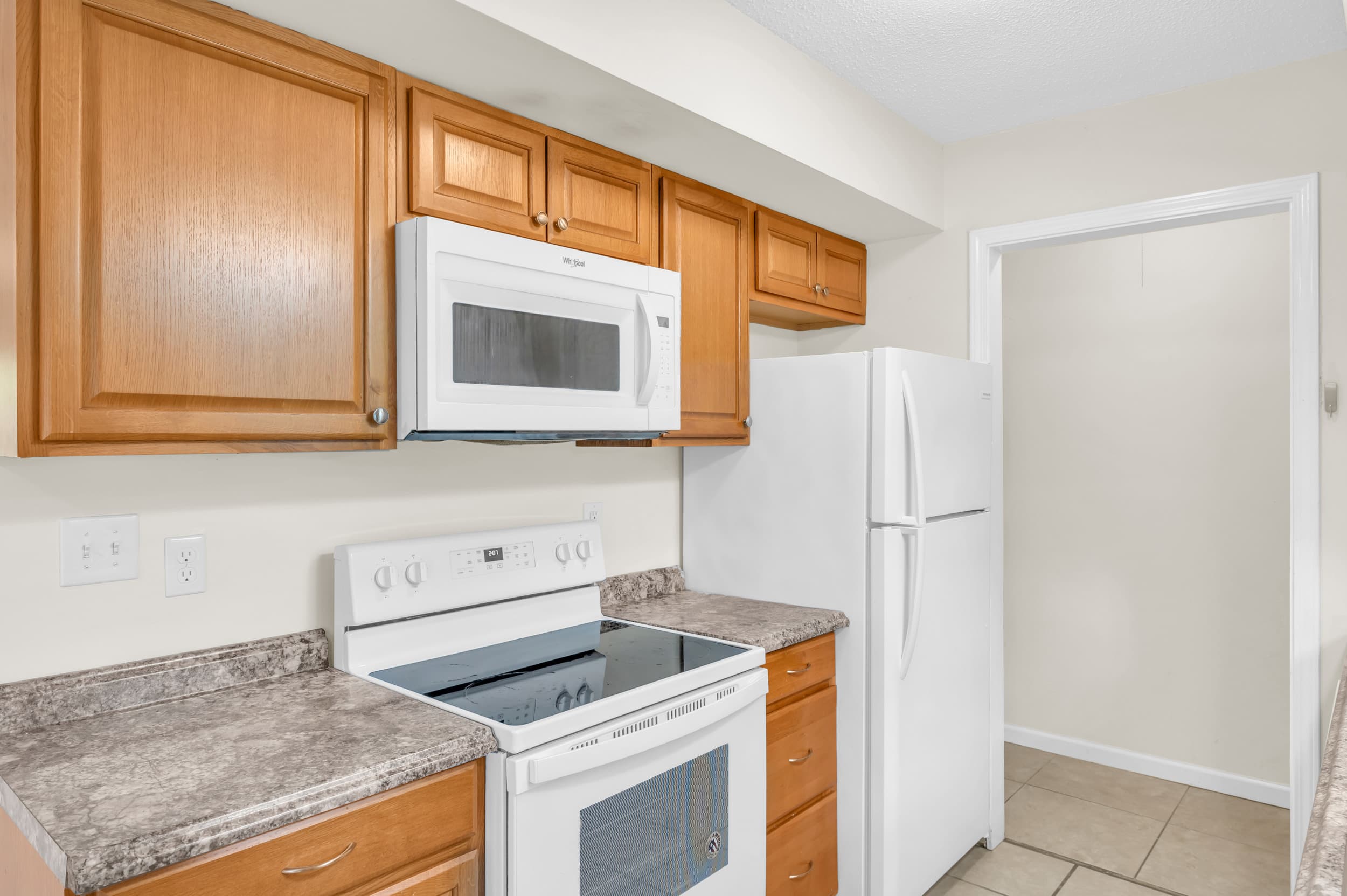
When people talk about must haves, they often start with an updated kitchen, a big yard, or extra storage. Those can matter, but the true must haves protect your finances, reduce risk, and help the home work for your life after the honeymoon phase. National buyer education from HUD's **Buying a Home hub lines up with that idea: know what you can afford, understand the process, and treat **inspection and closing seriously. Salt & Soil Realty Group is a real estate brokerage, not a law firm, lender, insurer, or tax advisor. This page is education—confirm loan, insurance, and legal questions with licensed professionals. For a fuller playbook, see **what to know about buying a house and **what to look for when buying a house. Carroll Harrod helps Jacksonville and Eastern North Carolina buyers separate non-negotiables from wish list items before they offer. ---
Must have a payment you can live with, not only a max approval
A lender's upper range is not the same as a comfortable budget. Think in terms of principal and interest, taxes, insurance, mortgage insurance if it applies, utilities, maintenance, repairs, and HOA dues. The goal is to avoid being house-rich and cash-poor after closing. HUD's Buying a Home resource linked above frames affordability around income, credit, existing expenses, down payment, and rate—use that lens when you set your real ceiling. ---
Must have a Loan Estimate you understand and can compare
A must have is clarity on rate, payment, fees, cash to close, escrows, and how the loan behaves if costs change. The CFPB's **Loan estimate explainer describes what the form discloses and encourages buyers to **request and compare multiple Loan Estimates so offers match what you discussed with each lender. Read it like a product sheet, not a formality. Pair that habit with **compare mortgage rates and providers**. ---
Must have a professional home inspection on a timeline that still matters
Photos and staging hide roof, HVAC, crawl space, plumbing, drainage, and electrical issues. Freddie Mac's My Home article **What to expect with a home inspection notes the inspection usually happens **after the offer is accepted and before closing, with the buyer typically hiring the inspector—and that findings may support renegotiation, repairs, or walking away, depending on your contract. Build that into your contingency calendar, especially in North Carolina where due diligence timing is critical; see **what I need to know about buying a house in North Carolina**. ---
Must have cash for closing, the inspection, moving, and early ownership
Buyers who only save for the down payment often get surprised at the table. Freddie Mac's **Understanding homebuying costs explains **closing costs often around 2% to 5% of the purchase price and lists earnest money commonly about 1% to 2%, plus notes inspection may run roughly $300–$500 (markets vary). Add moving, immediate repairs, and a reserve after keys—not every urgent fix waits for the next paycheck. More detail: **how much are the fees when buying a house?**. ---
Must have a sober look at flood risk and insurance before you fall in love with the listing
In Eastern North Carolina, flood, drainage, and wind exposure can change insurance cost and long-term stress. FEMA's **Flood Map Service Center is the **official public source for NFIP flood hazard mapping—use it alongside **coastal flood zones and insurance and the **coastal NC home buyer guide so coverage matches hazard. ---
Must have a location that fits real life, not only the floor plan
Commute, road access, noise, nearby uses, schools, utilities, yard maintenance, and storm readiness affect whether you will still like the house in year three. Updated finishes are optional; a workable payment, manageable risk, and a property that fits your routine are closer to must haves. ---
Split your list: structural needs vs. cosmetic wants
Write two columns. In must haves, put budget, loan clarity, inspection runway, cash to close, hazard awareness, and location fit. In nice to haves, put granite, paint, closet systems, and perfect landscaping. Negotiate from the first list; flex on the second. Carroll Harrod helps buyers in Jacksonville and the broader Eastern North Carolina market keep that discipline so excitement does not erase risk and cash flow.
Frequently Asked Questions
1. What are the most important must haves when buying a house?
True budget, understood loan terms, professional inspection, cash for closing and reserves, and flood/insurance awareness—see the H2 sections above.
Yes for most buyers who need to understand condition before they are locked in. See Must have a professional home inspection and the Freddie Mac article linked there.
Plan for closing costs (often discussed in the 2% to 5% range), earnest money, inspection, moving, and a post-closing cushion—see Must have cash for closing and the Freddie Mac page linked there.
It affects insurability, premiums, and resilience after storms. Start with the FEMA tool linked under Must have a sober look at flood risk.
Yes. Compare multiple Loan Estimates for rate, fees, cash to close, and terms—see Must have a Loan Estimate and the CFPB explainer linked there.