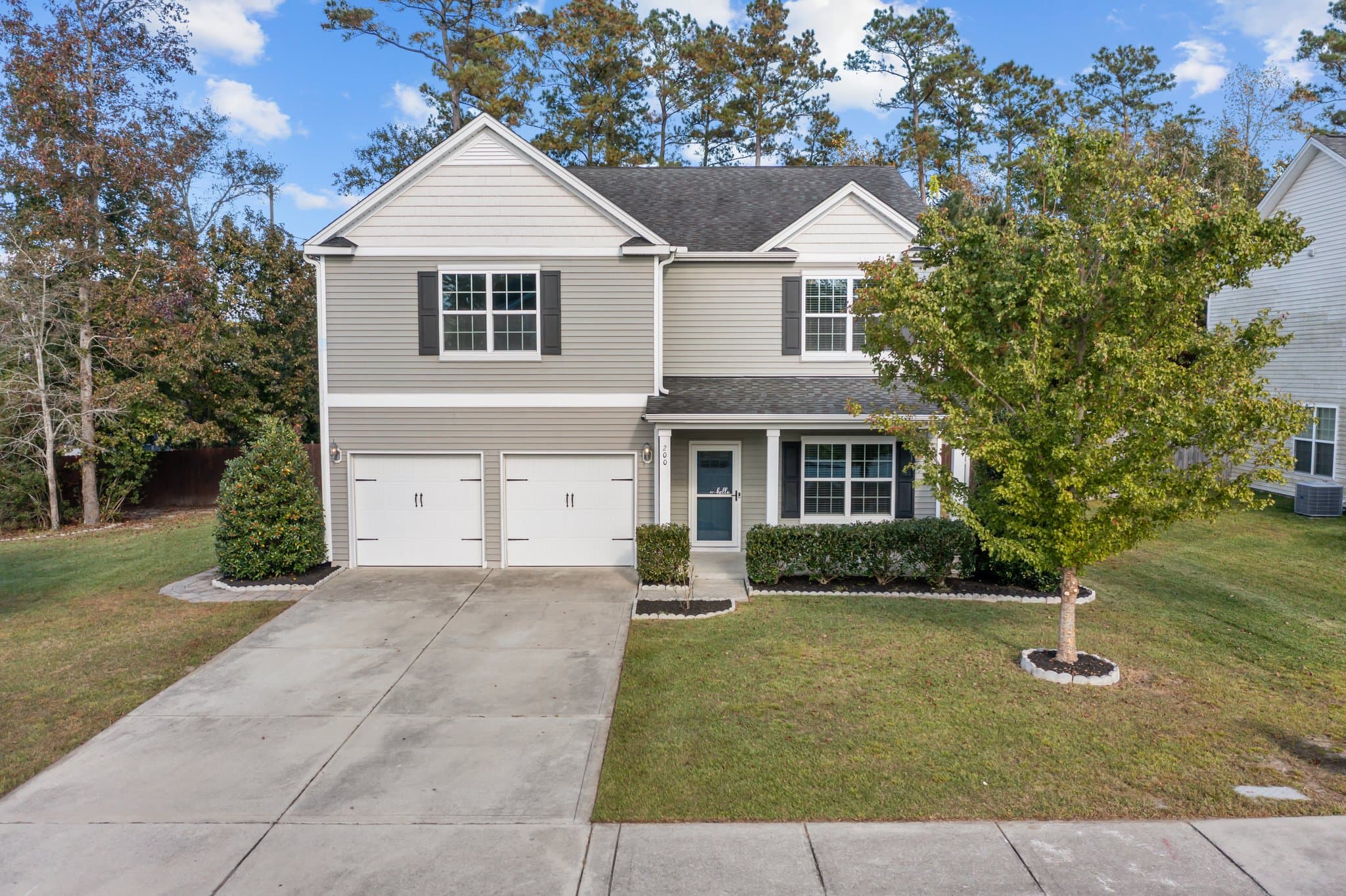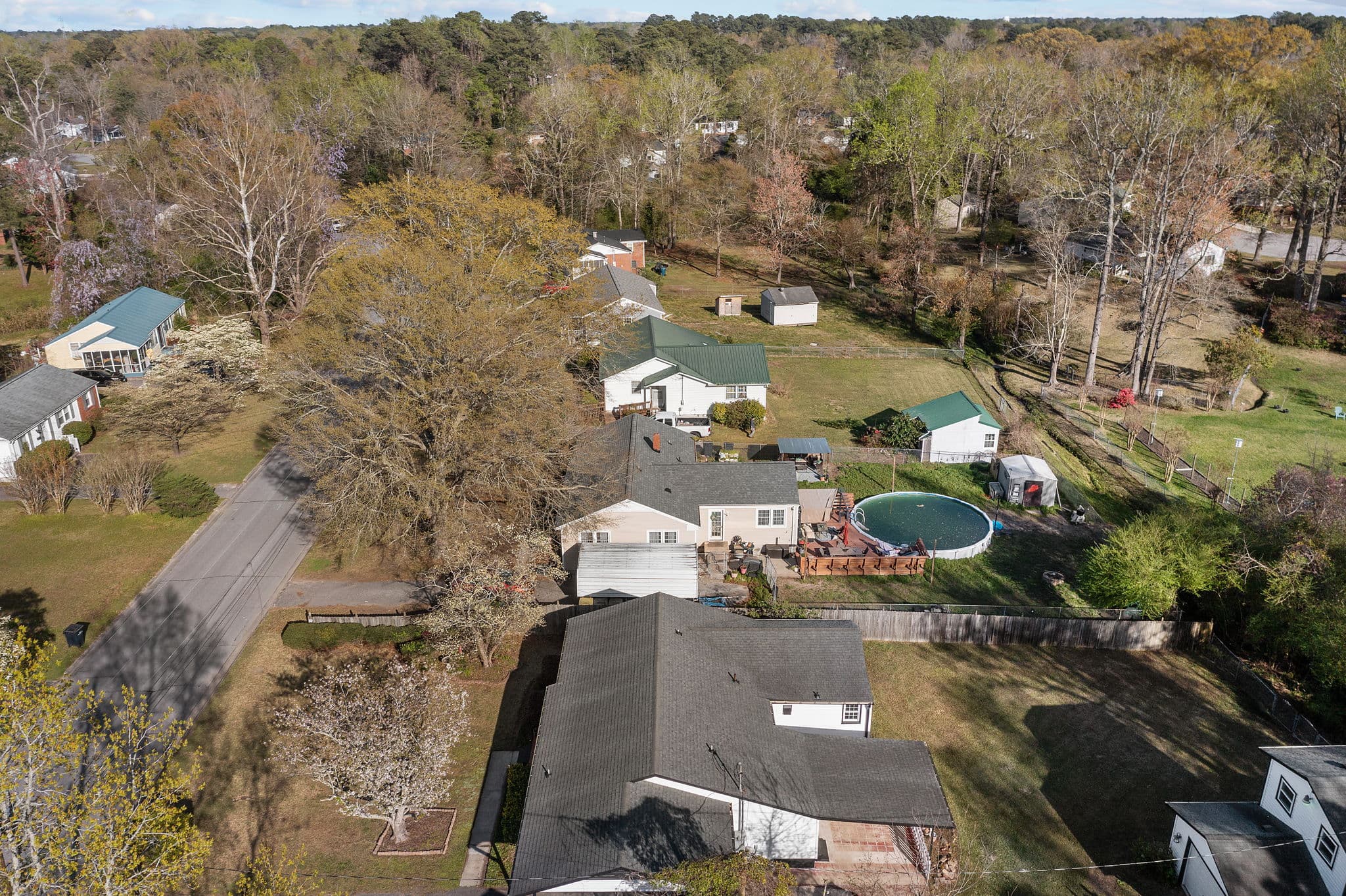
Buying a Rental Property in Jacksonville, NC: Why the Military Market Stands Out
By Carroll Harrod · Salt & Soil Realty Group
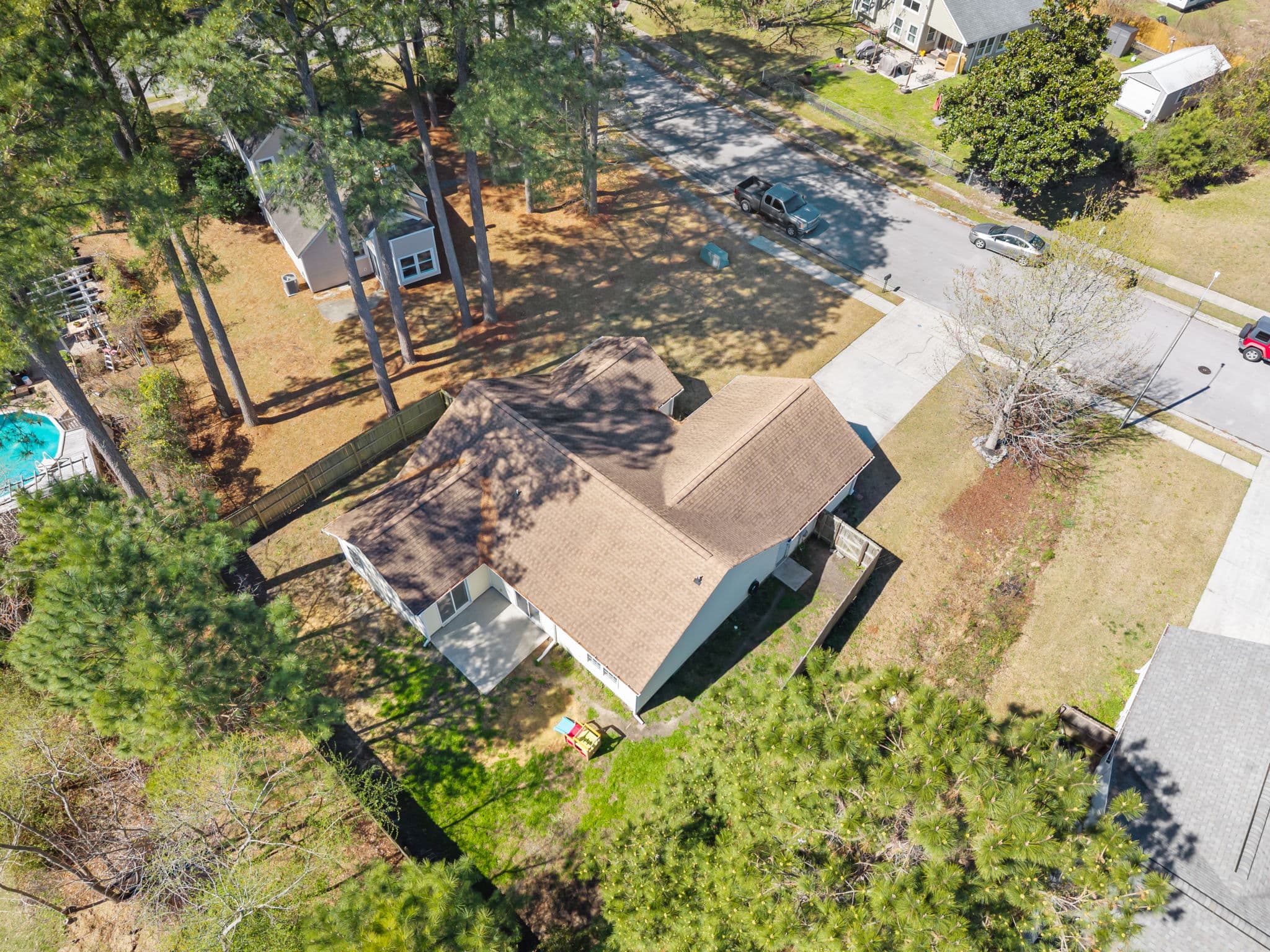
Camp Lejeune is a major economic and housing anchor for the Jacksonville area. The installation reports that the base and surrounding community support approximately 120,000 active-duty personnel, dependents, retirees, and civilian employees, along with nearly $3 billion in annual commerce. (Lejeune Marines) The Department of Defense bases BAH on local civilian rental and utility costs. It collects data for apartments, townhomes, duplexes, and single-family rentals during the active spring and summer PCS season. BAH is paid to the servicemember rather than guaranteed directly to a landlord, but it provides a consistent source of housing purchasing power within the market. (Defense Travel Management Office) Official Navy housing policy also provides a limited issue-resolution channel for certain landlord-tenant disputes. Housing personnel may help the parties communicate and may refer some unpaid-rent or debt matters to a servicemember’s command, although they do not collect debts or replace the normal legal process. Salt & Soil Realty Group is a real estate brokerage, not a CPA, financial advisor, or tax preparer. This post is educational; confirm tax and investment decisions with qualified professionals. See **buying rental property in Jacksonville NC, **real estate investing in coastal Carolina, and military PCS guide. Carroll Harrod with Salt & Soil Realty Group helps investors in **Jacksonville, NC** and Coastal North Carolina evaluate rental acquisitions alongside your CPA and lender. ---
Buying a Rental Property in Jacksonville, NC: Why the Military Market Stands Out
There is a reason experienced investors pay attention to military towns. A major installation creates something every landlord wants: a steady reason for people to move into the area. Orders change, units rotate, service members transfer, and new households arrive needing a place to live. That movement continues through strong economies, weak economies, and changing civilian job markets. Jacksonville benefits from that kind of demand because Camp Lejeune is not a small employer with an uncertain future. It is a large federal installation with a long-established mission and a major economic presence in Eastern North Carolina. Camp Lejeune reports that the base and surrounding community support roughly 120,000 active-duty personnel, dependents, retirees, and civilian employees. (Lejeune Marines) That does not make every house in Jacksonville a good investment. It does make the local rental market different from a similar-sized market without a military installation nearby. The opportunity is not just that people need rentals. It is the combination of stable employment, regular PCS movement, BAH-supported housing budgets, and a constant supply of incoming renters who are actively trying to solve a housing problem.
Camp Lejeune Gives Jacksonville a Durable Demand Anchor
Many rental markets depend heavily on one civilian industry. When that industry slows down, hiring may stop, workers may leave, and rental demand can weaken quickly. Camp Lejeune operates differently. Its mission, personnel, payroll, contractors, support services, retirees, and civilian employees create a broad economic footprint around Jacksonville and Onslow County. The base reports generating nearly $3 billion in commerce each year through payroll and contracts. (Lejeune Marines) For a rental-property owner, that creates a level of demand stability that can be hard to find in other markets of Jacksonville’s size. Service members continue to receive orders. People continue reporting to the installation. Others separate, retire, deploy, return, or transfer to a new duty station. Civilian employees and contractors also need housing. Not every renter is military-connected, but Camp Lejeune helps keep people and money moving through the local economy. That is a meaningful advantage for an investor planning to hold a property for several years.
PCS Turnover Can Work in an Investor’s Favor
Turnover is often discussed as though it is always bad for landlords. It does create cleaning, advertising, repair, and vacancy costs, so it needs to be managed well. But normal turnover also has an upside. In a market shaped by permanent change of station orders, renters may leave because their assignment changes—not because the property failed or the local economy collapsed. Another wave of incoming personnel is often looking for housing at the same time. When a lease ends naturally, the owner has an opportunity to:
- Clean and refresh the property
- Take care of small maintenance items
- Review current rental comparisons
- Update the asking rent to match the market
- Improve lease terms or management systems
Reposition the property if renter expectations have changed
That can be healthier than leaving the same property substantially below market because an owner is reluctant to raise the rent every year on a good long-term tenant. A military market gives landlords more chances to reset between tenancies. The goal is not to chase the highest possible rent every time someone moves. It is to keep the property reasonably aligned with fair market value while offering a well-maintained home at a competitive price. Good management still matters. A landlord should plan for turnover rather than treating it as an emergency. A clean move-out process, dependable vendors, good photos, and a realistic asking rent can shorten the time between leases.
BAH Helps Support Consistent Housing Budgets
Basic Allowance for Housing is another reason military rental markets attract investors. The Department of Defense sets BAH using rental and utility data from local civilian housing markets. Its data collection includes apartments, townhomes, duplexes, and single-family rentals of different sizes. Rates vary based on duty location, pay grade, and dependency status. (Defense Travel Management Office) BAH is not a direct rent payment from the government to a private landlord. The servicemember receives the allowance and decides how to use it. It is also not intended to cover every housing expense for every individual. Even with those qualifications, BAH gives the Jacksonville market an important advantage: many military-connected renters have a housing allowance connected to actual local rent and utility costs. DoD also provides individual rate protection in many cases. When a servicemember’s eligibility status and duty location remain unchanged, a published BAH decrease generally does not reduce the rate that member was already receiving. (Defense Travel Management Office)
For an investor, BAH can help answer an important question: Where does the renter’s housing budget come from?
In Jacksonville, a meaningful portion of rental demand is supported by a predictable military compensation system rather than being tied only to hourly wages or the performance of one private employer. That does not justify setting rent equal to a particular BAH rate without looking at the property. Rent should still be based on the home’s condition, size, features, location, and competing inventory. But BAH gives landlords a more stable framework for understanding the purchasing power within the market.
Military Rentals Can Have an Additional Accountability Channel
Most landlords have dealt with the concern behind this question: What happens if a tenant stops paying, damages the home, or refuses to communicate?
Military-connected rentals can offer an additional channel that does not normally exist in a purely civilian employment setting. Official Navy housing policy allows Housing Service Centers to assist with communication between landlords and servicemembers. In some cases involving unpaid rent or other debts, housing personnel may contact the servicemember’s command or forward the matter to a new command after a transfer. That can be valuable. A legitimate complaint is less likely to disappear into a disconnected email inbox when there is an installation housing office and an identifiable chain of command. The limits are important, though. Housing personnel do not act as debt collectors, decide who is legally right, or replace the North Carolina court process. The Navy policy describes the command’s role as an administrative communication or referral channel, not a guarantee that the landlord will recover money. A professional landlord should still use:
- A clear written lease
- Consistent applicant screening
- Detailed move-in documentation
- Written repair and payment records
- Proper security-deposit handling
The normal North Carolina legal process when necessary
Command involvement should be viewed as an extra accountability tool, not the business plan.
The SCRA Is Manageable When You Understand It
Military landlords also need to understand the Servicemembers Civil Relief Act. Under the SCRA, a qualifying servicemember may terminate a residential lease after receiving certain PCS, deployment, separation, or retirement orders. The law also provides protections involving eviction proceedings and default judgments. (Department of Justice) That sometimes makes new investors nervous, but it is simply part of operating in a military market. A military clause does not make the lease meaningless. It creates a defined process for situations in which military orders require someone to move. An investor who expects occasional order-related lease terminations can build that possibility into the operating plan. Good preparation includes:
- Using a well-drafted lease
- Knowing what documentation is required
- Responding promptly when orders are provided
- Keeping enough cash available for turnover
- Maintaining reliable cleaning and repair vendors
Marketing the home quickly when notice is received
The same PCS system that may end one lease early is also bringing another group of renters into the area. That is part of the rhythm of the market.
The Right Jacksonville Rental Is Usually Simple, Useful, and Easy to Maintain
A good military-market rental does not need luxury finishes or an elaborate renovation. It needs to work well. Renters moving on orders often have a compressed timeline. They want to understand the property quickly, know what it will cost, and feel confident that it will be ready when promised. Properties tend to compete well when they offer practical features such as:
- A functional floor plan
- Dependable heating and cooling
- Useful storage
- Clear parking
- Durable flooring and finishes
- A manageable yard
- Straightforward pet terms
- Clean kitchens and bathrooms
- Responsive maintenance
Reasonable access to major routes and installation gates
That does not mean one property type is always best. A townhome may provide easier exterior maintenance. A detached home may offer more storage or outdoor space. An older home may produce a strong return if the major systems have been maintained. Newer construction may reduce near-term repair pressure but cost more upfront.
The better question is not, “What kind of house should every investor buy?”
It is, “Will this particular house stay competitive without requiring constant attention or expensive upgrades?”
Buy for the Tenant, but Also Buy for the Next Owner
Jacksonville investors have another potential advantage: a rental property may eventually appeal to both investors and owner-occupants. That broader exit strategy can matter. A clean, functional home with an understandable layout and manageable ownership costs may attract a future buyer who plans to live in it. Depending on the property, the future buyer pool may include conventional, FHA, USDA, or VA borrowers. That gives the owner options. The property can remain a rental, be sold to another investor, or be marketed as a home for an owner-occupant when the time is right. Properties with narrow financing options, unusual condition problems, severe restrictions, or difficult insurance issues may still produce income, but they can be harder to sell. An attractive monthly return is more valuable when the owner also has a practical way out.
Protect a Strong Opportunity With Good Local Underwriting
The positive case for Jacksonville is strong, but the house still has to carry its own weight. Start with realistic rent comparisons. Do not use BAH as the only pricing tool, and do not rely on the highest active listing you can find. Compare the home with similar rentals by property type, condition, size, parking, yard, pet terms, and location. Then look at the local ownership costs. Onslow County notes that a property inside a municipality may be subject to both county and municipal property-tax rates. Two homes with similar prices and rents can therefore have different tax expenses. (Onslow County) Insurance deserves an early look as well. Onslow County’s current flood maps became effective January 17, 2025, and the county provides mapping resources for checking a property’s flood zone and risk. (Onslow County) These are not reasons to be pessimistic. They are the details that help an investor keep more of the opportunity. A clean rental analysis should account for:
- Mortgage payment
- Property taxes
- Insurance
- HOA dues
- Property management
- Normal vacancy
- Turnover work
- Routine maintenance
Reserves for major repairs
If the numbers still work after those expenses are included, Jacksonville’s military-driven demand can become a powerful part of the investment rather than a hopeful assumption.
Rental Ownership Can Build Value in More Than One Way
Monthly cash flow gets most of the attention, but it is not the only reason to own rental property. A well-bought Jacksonville rental may give the owner several paths to long-term value:
- Rental income
- Principal reduction as the loan is paid
- The ability to adjust rent between tenancies
- Potential appreciation over time
- Tax treatment associated with investment-property ownership
The option to hold, refinance, or sell as circumstances change
Appreciation is never guaranteed, and tax treatment should be discussed with a qualified tax professional. Still, the combination of recurring rent and long-term equity is why investors often prefer a durable military market over a place where demand depends on short-lived growth. Jacksonville offers a housing need with a clear reason behind it. Camp Lejeune is here. People will continue receiving orders. Many will continue choosing off-base housing. Investors who provide clean, well-managed homes can serve that need while building an asset of their own.
Bottom Line
Jacksonville, NC can be an excellent place to own rental property. Camp Lejeune provides a major economic anchor. PCS moves create recurring demand and natural opportunities to bring rents back in line with the market between leases. BAH supports consistent housing budgets, and military housing offices can provide an additional communication channel when serious lease issues arise. The opportunity is strongest when the investor buys a property that is easy to maintain, easy to understand, priced correctly, and attractive to more than one future buyer. For buyers considering investment property in Jacksonville or elsewhere in Onslow County, Salt & Soil Realty Group can help compare the rental potential, ownership costs, property condition, and resale path before an offer is made. Carroll Harrod and the Salt & Soil team understand that a good rental investment is not just a spreadsheet—it is the right property in a market with a dependable reason for people to keep moving in.
Frequently Asked Questions
Is Jacksonville, NC a good market for rental property?
Jacksonville can be a strong rental market because Camp Lejeune creates steady housing movement and supports a large local population. PCS orders regularly bring new renters into the area, while BAH helps provide consistent housing purchasing power. The individual property still needs realistic rent, manageable expenses, and good resale potential.
BAH gives eligible servicemembers a housing allowance based partly on local civilian rent and utility costs. It is paid to the servicemember, not guaranteed directly to the landlord, and rates vary by location, pay grade, and dependency status. For investors, its value is the consistent housing budget it brings into the local market.
Not necessarily. Turnover creates make-ready and vacancy costs, but it also lets an owner inspect the home, handle maintenance, and set the next asking rent using current market comparisons. In a military market, one renter leaving on orders may coincide with other servicemembers arriving and looking for housing.
Official Navy housing policy allows a Housing Service Center to help with communication and, in some cases, refer an unpaid-rent or debt matter to a servicemember’s command. The command is not a collection agency, however, and this does not replace the lease or normal North Carolina legal procedures.
A strong rental is usually clean, functional, durable, and easy to maintain. Practical parking, reliable major systems, useful storage, clear lease terms, reasonable ownership costs, and access to major routes can all help. The property should also have a realistic exit strategy in case the owner later decides to sell.
Research References
Camp Lejeune, “About.” (Lejeune Marines)
Defense Travel Management Office, “Basic Allowance for Housing.” (Defense Travel Management Office) Defense Travel Management Office, “BAH Data Collection.” (Defense Travel Management Office) U.S. Department of Justice, “A Guide to the Servicemembers Civil Relief Act.” (Department of Justice) Commander, Navy Installations Command, Housing Referral Services Manual. Onslow County Tax Office, “Tax Rates.” (Onslow County) Onslow County Planning and Development, “Floodplain Management.” (Onslow County) --- Questions about buying in Jacksonville, NC or Coastal North Carolina? Contact Salt & Soil Realty Group.