What Is My House Worth in Jacksonville NC? Why Online Estimates and Real Market Value Are Not Always the Same
By Carroll Harrod · Salt & Soil Realty Group
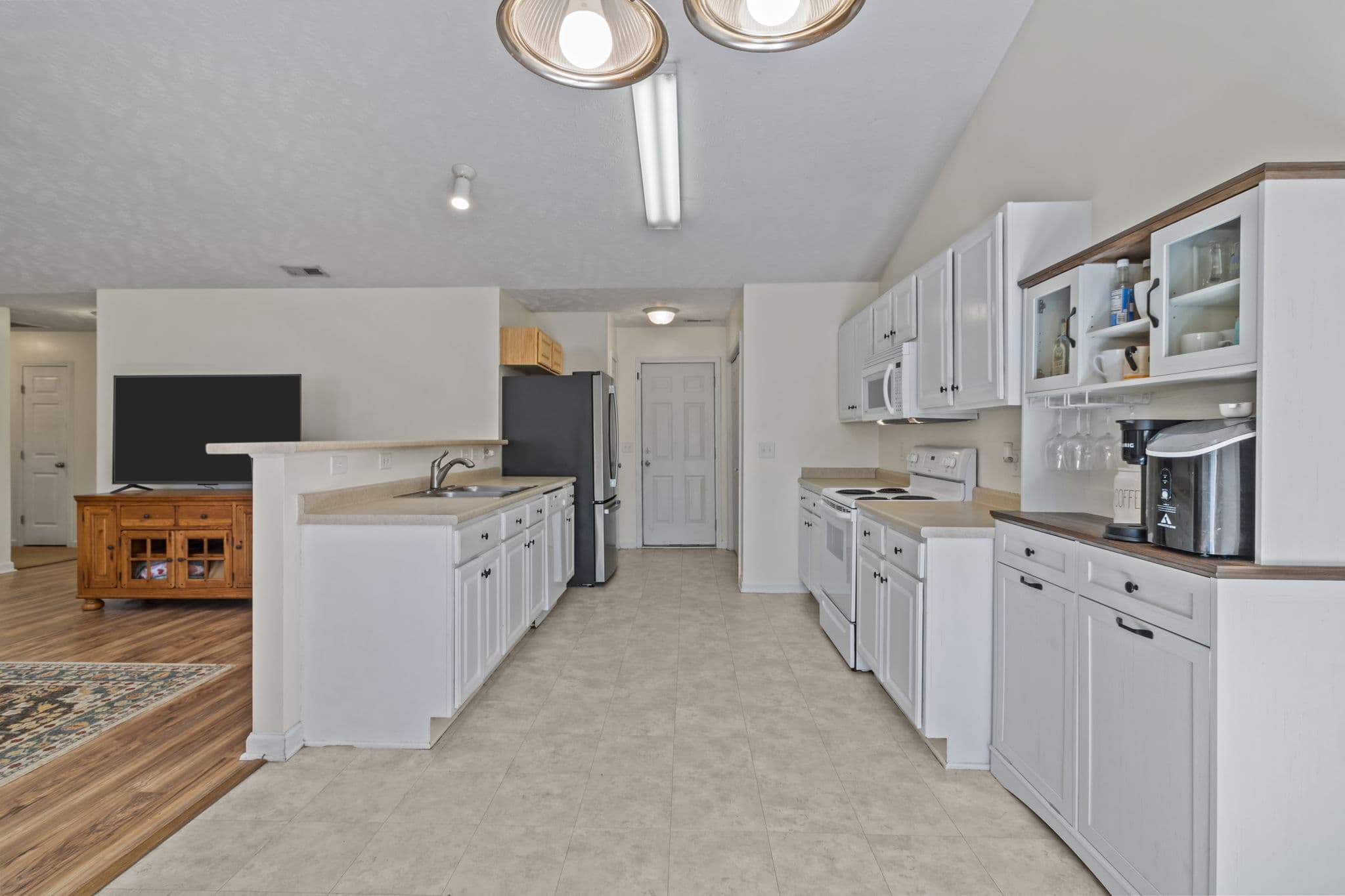
It is one of the first questions sellers ask: Salt & Soil Realty Group is a real estate brokerage, not a law firm, CPA firm, or tax preparer. This post is educational; confirm tax, legal, and contract questions with licensed professionals. See **Zillow vs Redfin estimates, **best digital tools to estimate home value, and Onslow County 2026 revaluation. Carroll Harrod with Salt & Soil Realty Group helps sellers in **Jacksonville, NC** and Coastal North Carolina plan pricing, prep, and listing strategy with local market context. ---
What is my house worth?
That question matters before you decide whether to sell, when to list, what to repair, how much equity you may have, or what your next move could look like. So most homeowners start where most people start. They check an online estimate. Maybe it is Zillow. Maybe it is Realtor.com. Maybe it is Redfin. Maybe it is the county tax value. Maybe it is a refinance appraisal from a few years ago. Maybe it is what a neighbor’s house sold for. Those numbers can be useful. But they are not the same thing as real market value. In Jacksonville, NC and the surrounding Onslow County market, that difference can matter. A standard subdivision home, rural acreage property, manufactured home, updated resale, older home, property with septic and well, home inside city limits, or house with flood or insurance questions may not fit neatly into an online pricing model. Online tools are not useless. They are just not the whole answer.
Quick Answer: What Is My House Worth in Jacksonville NC?
Your home’s practical market value is based on what a qualified buyer is likely to pay for your specific property in the current market. That depends on more than square footage. A good pricing review should consider:
- Recent comparable sales
- Active competition
- Pending activity
- Property condition
- Updates and repairs
- Lot size and usability
- City limits or county location
- Utility setup
- Septic, sewer, well, or public water
- HOA rules and dues, if applicable
- Flood zone or insurance concerns
- Appraisal risk
- Buyer affordability
- Mortgage rates
- Marketing quality
Negotiation strategy
That is why two homes with the same bedroom count and square footage can sell for different prices. The market does not buy square footage by itself. The market buys the whole property.
Online Estimates Can Be Useful, But They Are Starting Points
Online home value tools can be helpful for a rough starting point. They may give you a sense of broad market movement, nearby sales, and a possible price range. For a fairly standard home in a neighborhood with many recent similar sales, an online estimate may be closer than expected. Zillow says its Zestimate has a nationwide median error rate of 1.74% for on-market homes and 7.20% for off-market homes, and that accuracy depends partly on the amount of data available for the home and local area. (Zillow) That is useful context. It also shows why sellers need to be careful. Most homeowners checking a value before listing are looking at an off-market estimate. A 7% difference on a $300,000 home is about $21,000. On a $450,000 home, it is about $31,500.
That does not mean the estimate is “bad.”
It means it should be treated as a ballpark, not a final pricing strategy.
Why Online Estimates Can Miss the Mark in Jacksonville and Onslow County
Jacksonville and Onslow County are not one simple housing market. There are newer subdivisions, older resale homes, townhomes, rural properties, manufactured homes, homes near military installations, properties outside city limits, acreage tracts, homes with septic and well, and properties with coastal or low-lying land considerations. That variety can make automated estimates less reliable.
The Tool May Not Know the True Condition
Condition is one of the biggest gaps in any online estimate. An algorithm may know the heated square footage, year built, bedroom count, bathroom count, and prior sale history. It may not know whether the home has:
- A newer roof
- Aging HVAC
- Updated flooring
- Original cabinets
- Fresh paint
- Foundation concerns
- Drainage issues
- Pet damage
- Water stains
- New windows
- Deferred maintenance
- A renovated kitchen
- Dated bathrooms
- Crawl space moisture
- Odor issues
- Clean, photo-ready presentation
- Buyers notice those things.
- Appraisers notice many of them too. A home that is clean, maintained, and thoughtfully prepared may compete differently than a similar-sized home that feels neglected. An online estimate may not see that difference clearly.
The Tool May Use Weak Comparable Sales
Comparable sales matter, but not every nearby sale is a good comp. A strong comp is usually similar in:
- Property type
- Size
- Age
- Condition
- Location
- Lot size
- Utility setup
- Timing
Buyer appeal
In Jacksonville and Onslow County, that can get tricky. A home inside Jacksonville city limits may not compare cleanly to a county property with septic and well. A newer subdivision home may not compare cleanly to an older home nearby. A small-lot townhome may not compare cleanly to a home with acreage. A renovated home may not compare cleanly to one with major deferred maintenance. Online tools can pull nearby sales that look similar on paper but do not compete the same way in real life. That can push the estimate too high or too low.
Tax Value Is Not the Same Thing as Market Value
Many sellers look at their county tax value and assume it tells them what the home should sell for. It does not. Tax value can be useful, but it is not a live pricing strategy. Onslow County explains that revaluation updates property values so they reflect current market conditions, while property taxes are calculated using both assessed value and the tax rate. The tax rate is set separately by the Board of Commissioners during the budget process. (Onslow County) Your tax record may help confirm details such as:
- Heated square footage
- Year built
- Lot size
- Property class
- Tax district
- Ownership information
- Assessed value
Deed references
But it will not tell you exactly what a buyer is willing to pay today. That is especially true if the property has changed since the last county valuation, the market has moved, or the home has condition issues the tax record does not fully capture.
The Model May Not Understand Buyer Behavior
Home value is not just a math problem. It is also a buyer-behavior problem. In the Jacksonville NC market, buyer demand may be affected by:
- Mortgage rates
- VA loan activity
- PCS timelines
- Local inventory
- New construction competition
- Insurance costs
- Closing cost needs
- Seller concessions
- Commute logistics
- Property condition
Availability of similar homes
Freddie Mac reported the average 30-year fixed-rate mortgage at 6.48% as of June 4, 2026, down from 6.53% the prior week. (Freddie Mac) That does not dictate one local home’s value by itself, but it does affect buyer affordability.
A seller may think, “My neighbor sold for this price, so my home should too.”
Maybe. But if that home sold when rates were lower, inventory was tighter, concessions were different, or the property was in better condition, today’s buyers may respond differently.
Unique Properties Are Harder to Estimate
The more unique the property, the more cautious sellers should be with a quick online number. That includes:
- Acreage
- Rural homes
- Homes with barns or workshops
- Properties with multiple parcels
- Waterfront or water-adjacent homes
- Homes with private roads or easements
- Septic and well properties
- Manufactured homes
- Older homes with unusual layouts
- Homes with additions
- Homes with unpermitted improvements
- Properties near floodplain or wetlands
Homes with accessory structures
Sometimes an outbuilding adds meaningful value. Sometimes it does not add as much as the owner expects. Sometimes acreage adds value. Sometimes part of the land is wet, restricted, difficult to access, or not very usable. That is where local property knowledge matters.
Zestimate, Tax Value, Appraisal, and CMA: What Is the Difference?
Sellers often see several different numbers and wonder which one is right. The answer depends on what the number is for.
Online Estimate
An online estimate is usually generated by an automated valuation model. It may use public data, property characteristics, recent sales, and market trends. It can be useful as a starting point. It should not replace a walkthrough, local market review, or pricing strategy.
Tax Value
Tax value is used for property tax purposes. It can help identify basic property information, but it is not the same thing as what a buyer will pay today.
Appraised Value
An appraisal is typically completed by a licensed or certified appraiser, often as part of a financed transaction. The lender uses the appraisal to help determine whether the property supports the loan amount. If the appraised value comes in below the contract price, it can affect the transaction.
Comparative Market Analysis
A comparative market analysis, or CMA, is a real estate broker’s pricing analysis based on comparable sales, active competition, property condition, market timing, and buyer behavior. A CMA is not the same thing as an appraisal. North Carolina law has specific standards for broker price opinions and comparative market analyses, and a CMA should not be treated as a licensed appraisal. (North Carolina General Assembly) For a seller deciding where to list, a thoughtful CMA can be more useful than an online estimate because it can account for the details a model misses.
What Actually Determines Your Home’s Value?
A good pricing review is not just, “What does the internet say?”
It should ask better questions.
What Has Actually Sold Nearby?
Recent sold homes matter because they show what buyers have already been willing to pay. But each sale needs context. Was the home renovated? Did it need repairs? Did it include seller concessions? Was it on the market for two days or 90 days? Was it priced correctly from the beginning? Was it a cash purchase, VA loan, FHA loan, or conventional loan? The sale price matters. The story behind the sale matters too.
What Is Currently for Sale?
Active listings are your competition. If several similar homes are already sitting on the market, your pricing strategy needs to account for that. If there are few similar homes available, that may strengthen your position. Buyers do not evaluate your house in a vacuum. They compare it to what else they can buy today.
What Is Under Contract?
Pending sales can show where the market may be moving before closed sales catch up. The final sale price may not be public yet, but contract activity, days on market, and buyer response can still provide useful clues. If similar homes are going under contract quickly, that tells one story. If similar homes are sitting, reducing price, or offering concessions, that tells another.
How Does Your Condition Compare?
Condition can move value more than sellers expect. Buyers notice:
- Roof age
- HVAC age
- Flooring
- Paint
- Kitchen condition
- Bathroom condition
- Odors
- Moisture concerns
- Crawl space condition
- Windows
- Siding
- Landscaping
- Cleanliness
General maintenance
A clean, well-prepared home does not automatically sell above market. But a poorly prepared home can create hesitation. That hesitation often shows up in lower offers, repair requests, longer days on market, or no offer at all.
How Does Your Lot Compare?
Lot size matters, but usability matters too. A larger lot may not be worth as much as expected if much of it is wet, wooded, restricted, difficult to access, or hard to maintain. A smaller lot may still perform well if the house is in strong condition and competes well with nearby listings. For rural and acreage properties, the land deserves its own review. That may include:
- Access
- Road frontage
- Easements
- Septic permit history
- Soil suitability
- Wetlands
- Floodplain
- Zoning
- Utility availability
- Timber value
- Pasture or cleared area
Drainage
That is a different valuation conversation than a standard subdivision home.
City Limits vs. County Location Can Affect the Buyer’s Math
In Onslow County, buyers may compare homes inside Jacksonville city limits with homes in unincorporated county areas. That can affect:
- Property taxes
- Utilities
- Water and sewer availability
- Trash service
- Septic or well
- Zoning
- Maintenance responsibilities
Buyer expectations
That does not make one option better than the other. It just means sellers need to understand how their property fits into the buyer’s full cost and ownership picture.
Mortgage Rates Can Affect What Buyers Can Pay
Mortgage rates do not change your square footage, roof age, or lot size. But they can change buyer affordability. When rates are higher, the same purchase price creates a higher monthly payment. That can make buyers more cautious, especially in price ranges where payment is already tight. In 2026, rates remain high enough that sellers should think about payment sensitivity. A buyer may like the home but still need closing cost help, a price adjustment, or a lower payment to make the numbers work. That does not mean sellers have to underprice. It means pricing should reflect the market buyers are actually operating in.
Why the Highest Number Is Not Always the Best Strategy
Every seller likes the highest estimate. That is normal. But the highest number is not always the best list price. If a home is overpriced, several things can happen:
- Fewer buyers schedule showings
- The home sits longer
- Buyers assume something is wrong
- Price reductions become necessary
- The listing loses early momentum
Offers come in lower
The eventual sale price may be weaker than if the home had been priced correctly sooner
There is a difference between aggressive pricing and wishful pricing. Aggressive pricing is based on data and strategy. Wishful pricing is based on what the seller wants to net, what a website says, or what a neighbor received under different conditions.
The First Two Weeks Can Tell You a Lot
In many price ranges, the first couple of weeks on the market are important. That is when the listing is fresh. Active buyers see it. Agents notice it. Showing activity gives early feedback. If the home is priced well, prepared well, and marketed well, the early response should tell you something. If there are plenty of online views but few showings, price or presentation may be off. If there are showings but no offers, condition, pricing, competition, or buyer objections may be the issue. If buyers are making the same comments over and over, listen. The market gives feedback. Sellers do not have to panic, but they should pay attention.
What Sellers Should Ask Before Trusting Any Number
Before relying on any home value estimate, ask:
- Is this based on recent sold homes?
- Are the comps truly similar?
- Does it account for my home’s condition?
- Does it account for updates and repairs?
- Does it account for lot size and usability?
- Does it account for city limits, utilities, HOA, or septic and well?
- Does it account for flood zone or insurance cost?
- Does it reflect current competition?
- Does it reflect buyer affordability at current rates?
- Is this a likely list price, appraised value, tax value, or final sale price?
- Those are not the same thing.
- A good pricing conversation should separate them.
How to Get a Better Estimate of Your Jacksonville NC Home Value
A better value estimate usually comes from combining data with local review.
Step 1: Confirm the Basic Facts
Start with the basics:
- Square footage
- Lot size
- Year built
- Bedrooms
- Bathrooms
- Tax district
- Parcel information
- Deed references
- HOA information
- Utility setup
- Septic or sewer
Well or public water
If the basic data is wrong, the valuation can be wrong too.
Step 2: Review Recent Comparable Sales
Look at homes that recently sold and ask whether they truly competed with yours. A good comp is not just nearby. It should be similar enough that a buyer would reasonably compare it to your home.
Step 3: Review Active Competition
If you listed today, what else would buyers see?
Your value is affected by current alternatives. If new construction is offering incentives nearby, that matters. If similar resale homes are sitting, that matters. If inventory is tight, that matters too.
Step 4: Walk the Property Honestly
This is where online estimates fall short. A real pricing review should look at:
- Curb appeal
- Entry
- Flooring
- Paint
- Kitchen
- Bathrooms
- Odors
- Roof
- HVAC
- Windows
- Moisture concerns
- Crawl space access
- Garage
- Yard
- Drainage
- Outbuildings
- Repairs
Cleanliness
Sometimes a few small prep items can improve buyer perception. Sometimes the right answer is to price for condition instead of overspending on repairs.
Step 5: Choose a Pricing Strategy
There is not always one perfect number. Sometimes there is a pricing range. The right strategy depends on your goal. Are you trying to sell quickly? Maximize price? Avoid inspection drama? Sell as-is? Test the upper end? Compete against new construction? Avoid multiple price reductions? The list price should match the strategy.
Common Mistakes Sellers Make With Home Value
Mistake #1: Pricing Based on What You Need to Net
Your mortgage payoff, moving plans, or next purchase budget matter to you. But they do not determine market value. The market cares about the property, competition, buyer affordability, and current demand.
Mistake #2: Assuming Every Improvement Returns Dollar-for-Dollar
Some improvements help value. Some help marketability. Some mostly helped you enjoy the home while you lived there. Those are not the same thing. A newer roof may reduce buyer concern. A kitchen update may help the home compete better. A custom feature may not return what it cost.
Mistake #3: Using One Neighbor’s Sale as the Whole Strategy
One sale can be useful. But it needs context. Was the neighbor’s home larger? More updated? On a better lot? Under contract during a different market? Offering concessions? Professionally prepared? In better condition? The answer matters. Mistake #4: Ignoring Active Competition Closed sales show history. Active listings show the current playing field. You need both. If buyers can choose between your home and three similar homes, your pricing strategy has to account for that.
Mistake #5: Letting an Online Estimate Replace Local Judgment
Online tools do not walk through the house. They do not smell the carpet. They do not see the crawl space. They do not fully understand every local utility, HOA, septic, floodplain, acreage, repair, or condition detail. Use online estimates as a starting point. Do not let them run the whole decision.
Bottom Line
Your Jacksonville NC home is not worth one number just because a website says so. Online estimates, tax values, appraisals, and comparative market analyses all serve different purposes. The better question is not simply:
- What does the internet say my house is worth?
- A better question is: What would a qualified buyer likely pay for this specific property, in this condition, in this market, with today’s competition and financing environment? That is the number that matters. If you are thinking about selling, start with the online estimate if you want. Check your tax record. Look at recent sales. But before you make a major decision, get a local pricing review that accounts for condition, updates, repairs, lot, location factors, taxes, utilities, flood risk, HOA rules, buyer demand, and current competition. Salt & Soil Realty Group helps Jacksonville and Onslow County sellers move from rough online guesses to practical pricing strategy. Carroll Harrod and Salt & Soil Realty Group can help you evaluate your home’s likely value, what buyers may notice, and which prep or pricing decisions are most likely to matter before you list.
Frequently Asked Questions
Is Zillow accurate for Jacksonville NC home values?
Zillow can be useful as a starting point, but it should not be treated as a final pricing strategy. Zillow reports that Zestimate accuracy depends on the available data, and off-market estimates have a higher nationwide median error rate than on-market estimates. (Zillow)
No. Tax value is used for property tax purposes. It can help confirm basic property information, but it is not the same thing as what buyers are willing to pay today. Onslow County explains that revaluation updates values to reflect market conditions, while the actual tax bill also depends on the tax rate. (Onslow County)
A CMA is a real estate broker’s pricing analysis based on comparable sales, competition, condition, and market factors. An appraisal is performed by a licensed or certified appraiser and is often used by a lender during a financed transaction. A CMA should not be treated as a licensed appraisal. (North Carolina General Assembly)
The neighbor’s home may have been larger, more updated, better prepared, on a different lot, under contract during different market conditions, or supported by different buyer demand. One sale can be helpful, but it should not be the whole pricing strategy.
Start by checking basic property facts, reviewing recent comparable sales, looking at active competition, and walking the property honestly. A local pricing review can then account for condition, repairs, utilities, lot usability, flood or insurance concerns, buyer demand, and current competition.
Research References
Zillow — Zestimate accuracy and median error rate information. (Zillow) Onslow County — Revaluation and assessed value explanation. (Onslow County) North Carolina General Statutes — Broker price opinion and comparative market analysis standards. (North Carolina General Assembly) North Carolina Real Estate Commission — CMA and appraisal distinction guidance. (NCREC Bulletins) Freddie Mac — Primary Mortgage Market Survey, June 4, 2026. (Freddie Mac) --- Questions about selling in Jacksonville, NC or Coastal North Carolina? Contact Salt & Soil Realty Group.