What Should I Know When Buying a House for the First Time?
By Carroll Harrod · Salt & Soil Realty Group
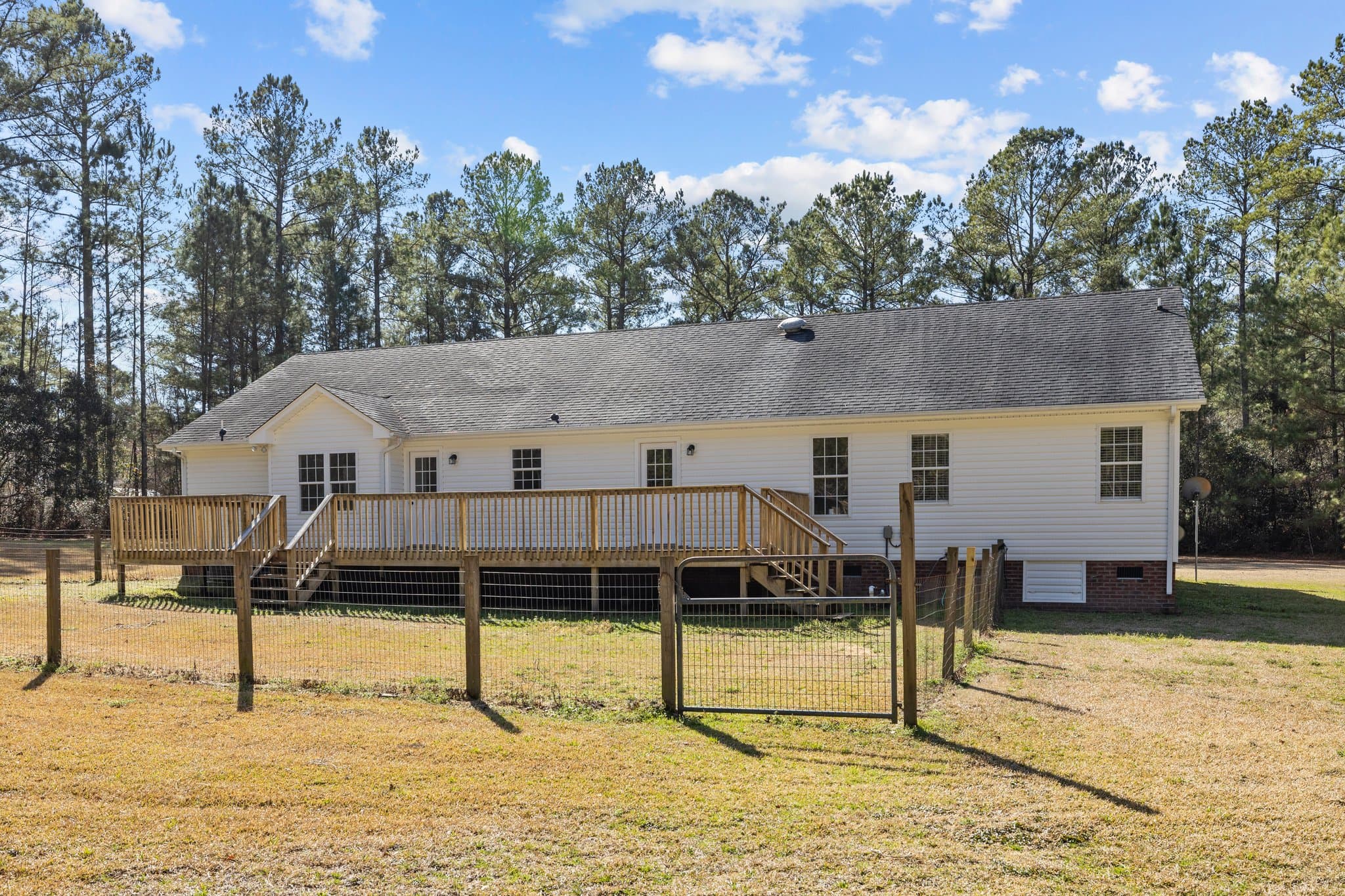
Buying your first house is exciting, but it can also feel like too much at once: the mortgage, the inspection, the insurance, the closing costs, and the pressure to make the "right" choice. First-time buyers usually do better when they slow down and judge the full picture, not only the asking price or listing photos. The CFPB's **Buying a house: Tools and resources for homebuyers hub is a strong starting point because it puts **loan options, lender comparison, and closing prep in one place. Salt & Soil Realty Group is a real estate brokerage, not a law firm, lender, insurer, or tax advisor. This page is education. Confirm loan, insurance, legal, and program-eligibility questions with the appropriate licensed professional or agency. If you are still getting oriented, start with **what is the first step to buying a home? and **what to know before buying a house. Carroll Harrod helps first-time buyers in Jacksonville and Eastern North Carolina understand the process, the numbers, and the local risks before they commit. ---
Know your real first-time buyer budget, not just the listing price
Your budget is more than the purchase price. Build the full monthly picture: principal and interest, property taxes, homeowners insurance, mortgage insurance if applicable, utilities, maintenance, and HOA dues when they apply. A lender may approve a number that technically works on paper, but the better question is whether the payment still leaves room for real life after closing. Freddie Mac's **What are closing costs and how much will I pay? explains that buyers should often plan for closing costs around **2% to 5% of the purchase price, separate from the down payment. For a practical companion, see **how much are the fees when buying a house?**. ---
You may not need 20% down, but low down payment loans have tradeoffs
One of the biggest first-time buyer myths is that you always need 20% down. Freddie Mac's **Down Payments and PMI notes that qualified buyers may be able to put down as little as **3%, though putting less than 20% down usually means paying private mortgage insurance until enough equity is built. That can still be the right move, but it should be understood clearly: a lower down payment may help you buy sooner, while PMI, reserves, and future repairs still affect affordability. The goal is not the smallest possible cash outlay. The goal is a purchase that stays manageable. ---
Check North Carolina first-time home buyer programs early
In North Carolina, first-time buyers should look at state assistance before assuming they are on their own. The North Carolina Housing Finance Agency's NC Home Advantage Mortgage says qualified buyers may access down payment assistance up to 3% of the loan amount, and eligible first-time buyers or military veterans may qualify for $15,000 through the NC 1st Home Advantage Down Payment program. Program rules, income limits, loan types, and lender participation matter, so verify eligibility early. For a local overview, read **Jacksonville first-time buyer assistance and **first-time home buyer down payment assistance programs. ---
Preapproval helps, but it is not the same as final loan approval
A preapproval letter can make your offer stronger, but it is not a final loan commitment. The CFPB's **Understand the different kinds of loans available reminds buyers to understand loan types and compare options before choosing a mortgage path. After you are under contract, the property, appraisal, title, insurance, income, credit, assets, and final underwriting still matter. That is why first-time buyers should keep lender requests moving quickly and avoid major financial changes while under contract. For the step-by-step version, see **how to get pre-approved for a home loan. ---
Compare Loan Estimates before you choose a lender
Do not shop only by advertised interest rate. The CFPB's **Loan estimate explainer shows how to compare **loan terms, projected payments, closing costs, cash to close, rate lock, and lender fees. Requesting more than one Loan Estimate can reveal meaningful differences that are easy to miss when everyone is talking only about monthly payment. The best first-time buyer question is not "Who has the lowest rate today?" It is "Which loan gives me the best total fit for cash to close, payment stability, fees, and long-term risk?" For more detail, read **compare mortgage rates and providers**. ---
Understand inspection vs appraisal before you fall in love with the house
An appraisal supports the lender's value decision. A home inspection is for you. HUD's housing counseling handbook **7610.1 emphasizes the role of home inspections in the buying process because buyers need to understand the real condition of the property before moving forward. Fresh paint and updated fixtures do not tell you enough about the **roof, crawl space, drainage, plumbing, HVAC, windows, or electrical system. A first-time buyer does not need to become a contractor, but you do need to know which issues are cosmetic, which are expensive, and which may affect safety or financing. Pair this with **what to look for when buying a house** before touring seriously. ---
Look at location risk: flood, insurance, commute, and upkeep
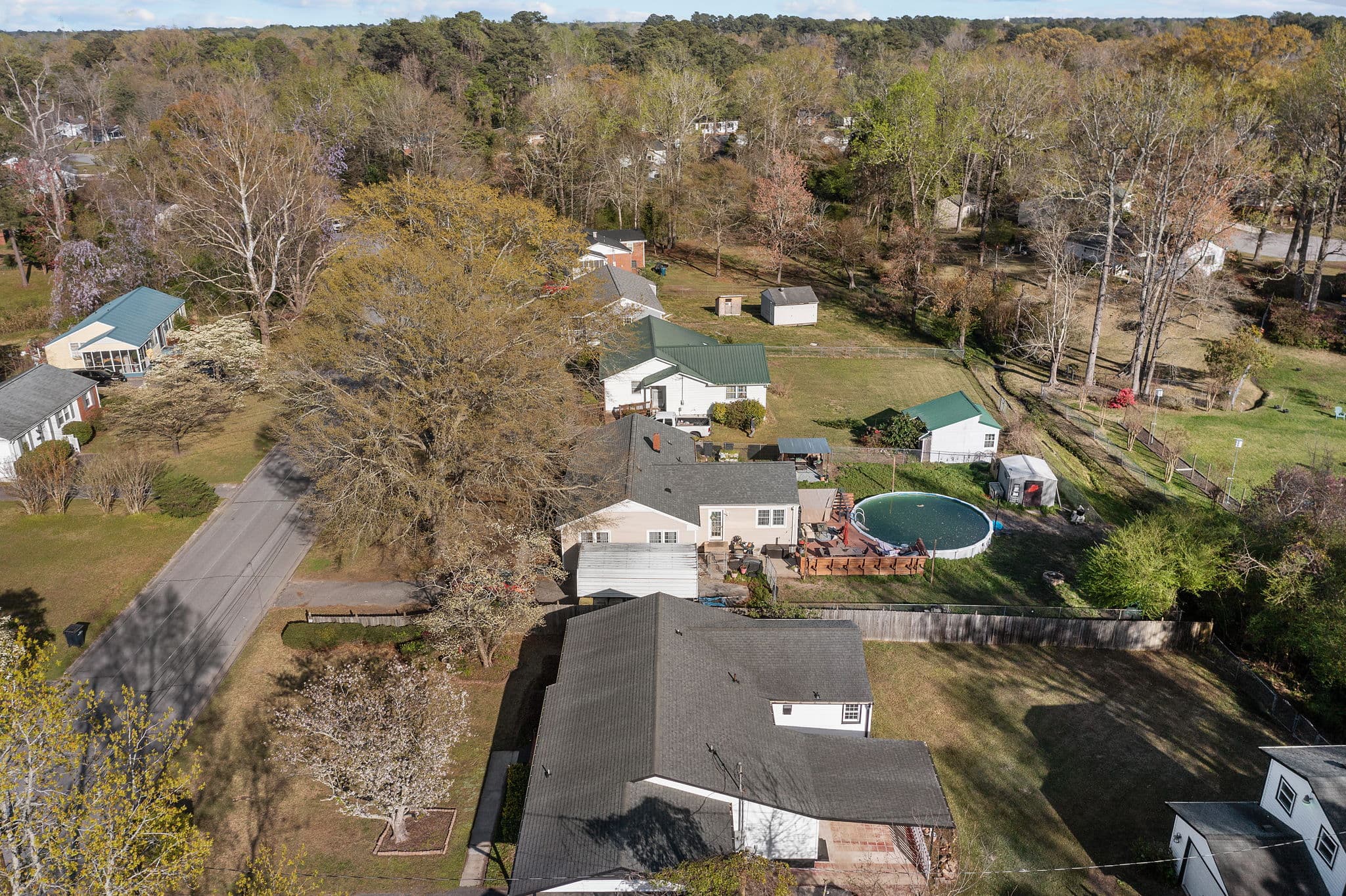
In Jacksonville, NC and across Eastern North Carolina, location is not only about school zones, commute, or neighborhood feel. First-time buyers should also look at flood risk, drainage, wind exposure, insurance cost, road access, and long-term maintenance. FEMA's **Flood Map Service Center is the official NFIP flood map starting point, and North Carolina's **Flood Risk Information System adds state-level flood mapping context. A property can feel affordable until insurance, flood questions, storm prep, and repair reserves are included. Read the coastal NC home buyer guide and coastal flood zones and insurance if you are buying near the coast, rivers, wetlands, or low-lying drainage areas. ---
Do not chase a perfect first house; choose the right tradeoffs
First-time buying is rarely about finding a perfect property. It is about choosing a home that works well enough where it matters most: cost, condition, location, financing, and long-term livability. You may compromise on finishes, bedroom layout, yard size, or commute, but you should be much more careful with payment stress, major repair risk, insurance surprises, and unclear loan terms. Carroll Harrod helps first-time buyers look beyond surface appeal, ask better questions, and stay grounded when emotions start driving the decision. That local guidance matters in Eastern North Carolina, where a home can look simple online but carry real differences in flood exposure, commute patterns, insurance, and upkeep.
Frequently Asked Questions
1. What is the most important thing to know before buying your first house?
Your full budget matters more than the listing price or maximum approval. Include monthly payment, taxes, insurance, utilities, maintenance, HOA dues if applicable, closing costs, and emergency reserves.
No. Qualified buyers may have lower down payment options, but less than 20% down often means private mortgage insurance. See the 20% down section above for the Freddie Mac source.
Yes. NCHFA offers programs that may help qualified buyers with down payment assistance, including options for eligible first-time buyers and military veterans. See the North Carolina programs section above.
An appraisal supports the lender's value decision. A home inspection helps the buyer understand condition, defects, and repair concerns before moving forward.
Yes. Compare more than rate: Loan Estimates show fees, projected payments, cash to close, mortgage insurance, and terms. See the Loan Estimates section above for the CFPB source.