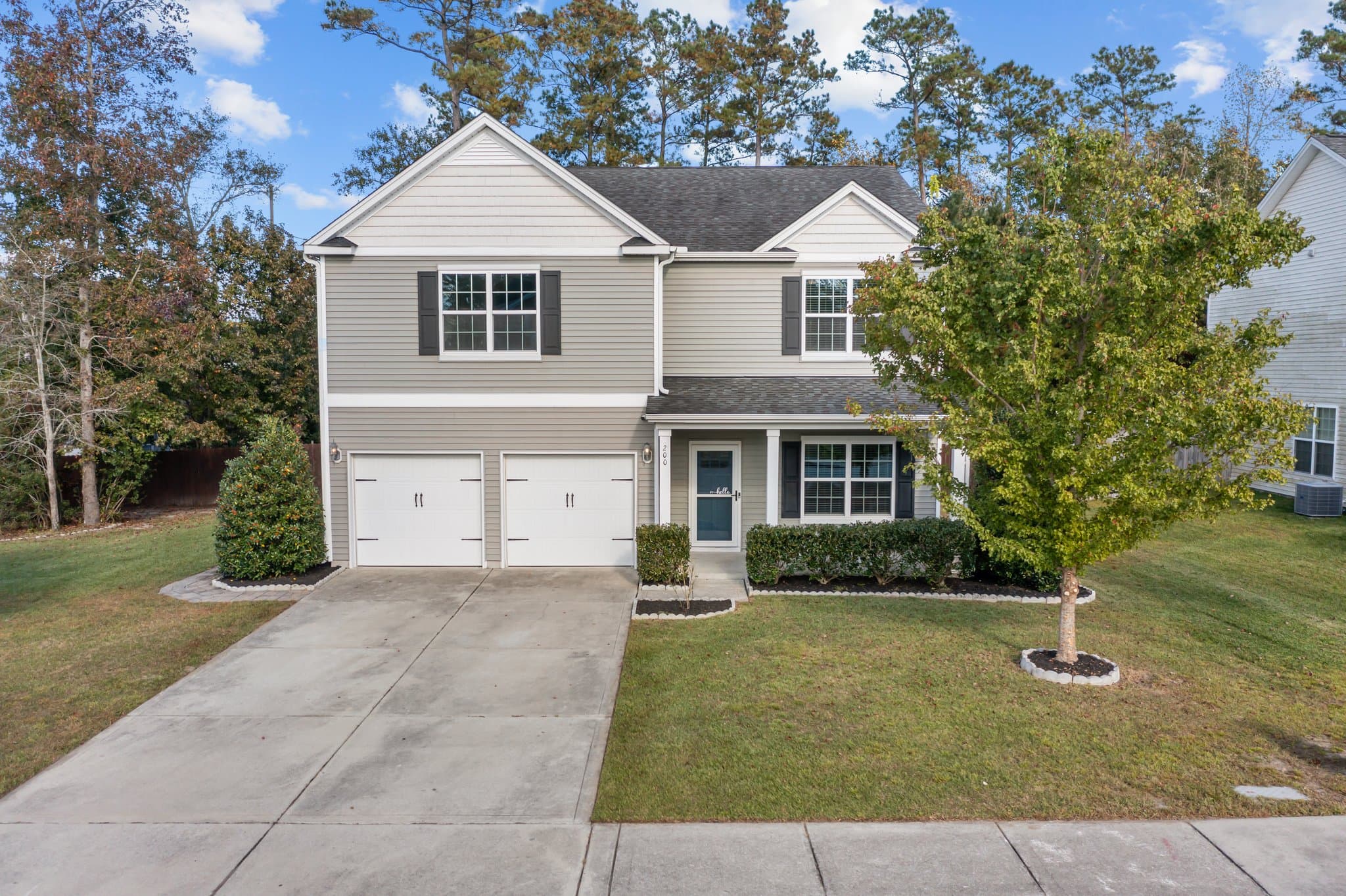
Selling a House and Buying a New One
By Carroll Harrod · Salt & Soil Realty Group
Selling a house and buying a new one sounds simple on paper, but in real life it is a balancing act between timing, cash flow, financing, contracts, and moving logistics. The sale of your current home and the purchase of your next one often depend on each other, even when they are technically separate transactions. The CFPB's **Loan estimate explainer is a useful starting point because cash to close, payment, and loan terms become especially important when the next purchase depends on the current sale. **Salt & Soil Realty Group is a real estate brokerage, not a law firm, lender, insurer, or financial advisor. This guide is educational. Confirm timing, contract, financing, tax, and insurance questions with the appropriate professionals. For a broader version of this topic, see **selling a house and buying at the same time. For sale preparation, read the **coastal NC home seller guide and strategies to price a house to sell quickly. Carroll Harrod helps Jacksonville and Eastern North Carolina clients plan both sides of the move before one missed date affects the whole chain. ---
Decide whether sale proceeds are required for the new purchase
The first high-stakes question is whether you need equity from the current home to fund the next down payment, closing costs, lender-required reserves, or immediate repairs. If yes, your sale is not just related to your purchase; it is part of the purchase plan. Ask your lender how sale proceeds will be documented, when they count as available funds, and what happens if your current home closes late or sells for less than expected. That answer should shape your listing timeline, offer strategy, and how much risk you take on the purchase side. ---
Choose the sequence: sell first, buy first, or coordinate back-to-back closings
Selling first can make the new purchase cleaner because you may have cash in hand and less debt to carry, but it can create a gap that requires storage or temporary housing. Buying first can reduce move disruption, but it may require stronger cash reserves and qualification while you still own the current home. Back-to-back closings can work, but they depend on lenders, title, wires, appraisal, repairs, and scheduling all lining up. Freddie Mac's **Selling a home** resource frames the next-home decision as part of the selling process, which is the right mindset. The sale and purchase should be planned together, not treated as two isolated deals. ---
Read the Loan Estimate and Closing Disclosure as one move plan
The Loan Estimate tells you projected payment, loan costs, estimated cash to close, and escrow assumptions. The CFPB also says buyers should **review documents before closing** and use the three-business-day Closing Disclosure window to ask questions and resolve problems before signing. When you are selling and buying, these forms are not just paperwork. They tell you whether the new move is actually workable after sale proceeds, seller credits, taxes, insurance, closing costs, and cash reserves are accounted for. ---
Understand North Carolina due diligence risk before your sale is secure
North Carolina contract timing matters. The North Carolina Real Estate Commission's Due Diligence brochure explains that due diligence is the buyer's opportunity to investigate the property and surrounding area before deciding whether to proceed. The period and fee are negotiated, and the fee is generally not refundable except in limited circumstances. If your purchase contract starts before your sale is stable, you may be taking on real purchase-side risk while still waiting on buyer financing, inspections, appraisal, title, or closing on your current home. ---
Use contingencies, possession terms, and temporary housing strategically
Some buyers ask for a purchase offer to be contingent on the sale of their current home. That can reduce financial risk, but it may make the offer less competitive. Some sellers negotiate a short post-closing possession period after selling so they can stay briefly while the next purchase closes. Others sell first, move into temporary housing, and buy without the same pressure. The NCREC **Due Diligence Questions and Answers** bulletin is a reminder that contract rights, fees, deadlines, extensions, and termination choices need to be understood before the clock starts. Strategy depends on your cash, lender conditions, local inventory, and tolerance for uncertainty. ---
Build margin for inspections, appraisal, underwriting, title, and movers
Even if both transactions are scheduled close together, dates can move. Inspection issues, repair negotiations, appraisal questions, underwriting conditions, title work, wire timing, or simple calendar conflicts can shift one closing enough to affect the other. Build backup plans before you need them: storage, flexible movers, utility overlap, temporary housing, pet logistics, mail forwarding, and enough cash to absorb a timing gap. The goal is not perfect timing. The goal is to avoid a scramble when normal transaction friction appears. ---
Account for Eastern NC insurance, flood, and storm-season realities
In Jacksonville, NC and across Eastern North Carolina, timing can also be affected by insurance binding, wind and flood questions, storm season, lender conditions, and property-specific repair concerns. A new home is not just a new address; it is a new risk profile, new insurance file, and new maintenance plan. If the new purchase involves flood-prone areas, coastal exposure, or older systems, pair this plan with **coastal flood zones and insurance and **what to look for when buying a house. ---
Selling and buying a new house checklist before you commit
Before listing or offering, know: how much equity you need, whether you can qualify before the sale closes, what cash reserve remains after both transactions, whether you need a sale contingency, what due diligence risk you are taking, whether temporary housing is acceptable, and what your plan is if one closing moves. Carroll Harrod helps clients look at the entire chain of events: list price, offer strength, lender timing, inspection risk, closing date, possession, and what happens if the plan changes. That broader view is often what keeps a normal timing shift from becoming a major problem.
Frequently Asked Questions
1. Should I sell my house before buying a new one?
It depends on your finances and risk tolerance. Selling first can make cash and qualification easier, but it can create a housing gap. Buying first may be convenient, but it can increase carrying-cost pressure.
Usually timing and cash flow. If sale proceeds are needed for the new purchase, a delayed sale can affect financing, moving, and contract decisions.
North Carolina due diligence is the buyer's investigation period, and the due diligence fee is generally not refundable except in limited circumstances. That makes purchase timing riskier if your sale is not secure.
They show the projected and final loan costs, payment, and cash to close. When one transaction depends on the other, those numbers tell you whether the move still works.
Yes. Build timing margin, plan storage or temporary housing, keep movers flexible, and structure contracts with realistic backup options instead of assuming both closings will land perfectly.