City guide
Wilmington NC Real Estate | Cape Fear River, Beaches & Historic Downtown
Last updated: March 30, 2026
Population
~120,000+ (city); ~285,000 Cape Fear metro
Economy & culture
Port, film, healthcare, UNCW, tourism
Beaches
Wrightsville, Carolina, Kure — 15–25 min typical
Healthcare
Novant NHRMC, regional specialty networks
Wilmington is coastal North Carolina’s largest city—a Cape Fear River port with a walkable historic core, UNC Wilmington, Novant/NHRMC healthcare, and barrier-island beaches (Wrightsville Beach, Carolina Beach, Kure Beach) minutes away by car. Film production, tourism, and port logistics mix with residential neighborhoods and retirees seeking culture without giving up the coast. For buyers who want urban convenience in a small-city package, Wilmington is usually where the search starts.
Living in Wilmington
Neighborhoods span historic downtown and riverfront condos, midtown and Monkey Junction subdivisions, Ogden and North Wilmington corridors, and near-water streets where flood dynamics shift block by block. Daily life might mean Riverwalk dinners, beach sunrise runs at Wrightsville, or commutes to employers clustered along the highway and medical campuses. Regional buyers also compare Hampstead and the ICW north or Leland south when they want different price bands with Wilmington still in reach.
Downtown, riverfront & culture
The Riverwalk, Thalian Hall, restaurants, and breweries support a real downtown identity—not just a bedroom community for the beaches. Buyers choosing historic districts or river-view product should review HOA or condo rules, short-term rental restrictions, and insurance context alongside walk scores and nightlife.
Economy, education & healthcare
UNCW, Cape Fear Community College, Novant New Hanover Regional Medical Center, and specialty networks anchor jobs and care for a growing region. Remote workers and relocating professionals often land here for quality of life plus airport and I-40 access inland. We help you align purchase timing with employment plans and commute reality.
Real Estate in Wilmington
Inventory includes downtown and mid-rise condos, historic detached homes, new construction in growth corridors, and near-water homes where wind and flood insurance belong in the same conversation as price per square foot. We compare Wilmington with the municipal beaches, Hampstead, and Leland so your offer matches commute, schools, and long-term resale. See our coastal property buyer services and flood zones & coastal buying overview for underwriting context.
Contact us for Wilmington listings, off-market conversations, and a buyer or seller plan tailored to the Cape Fear region.
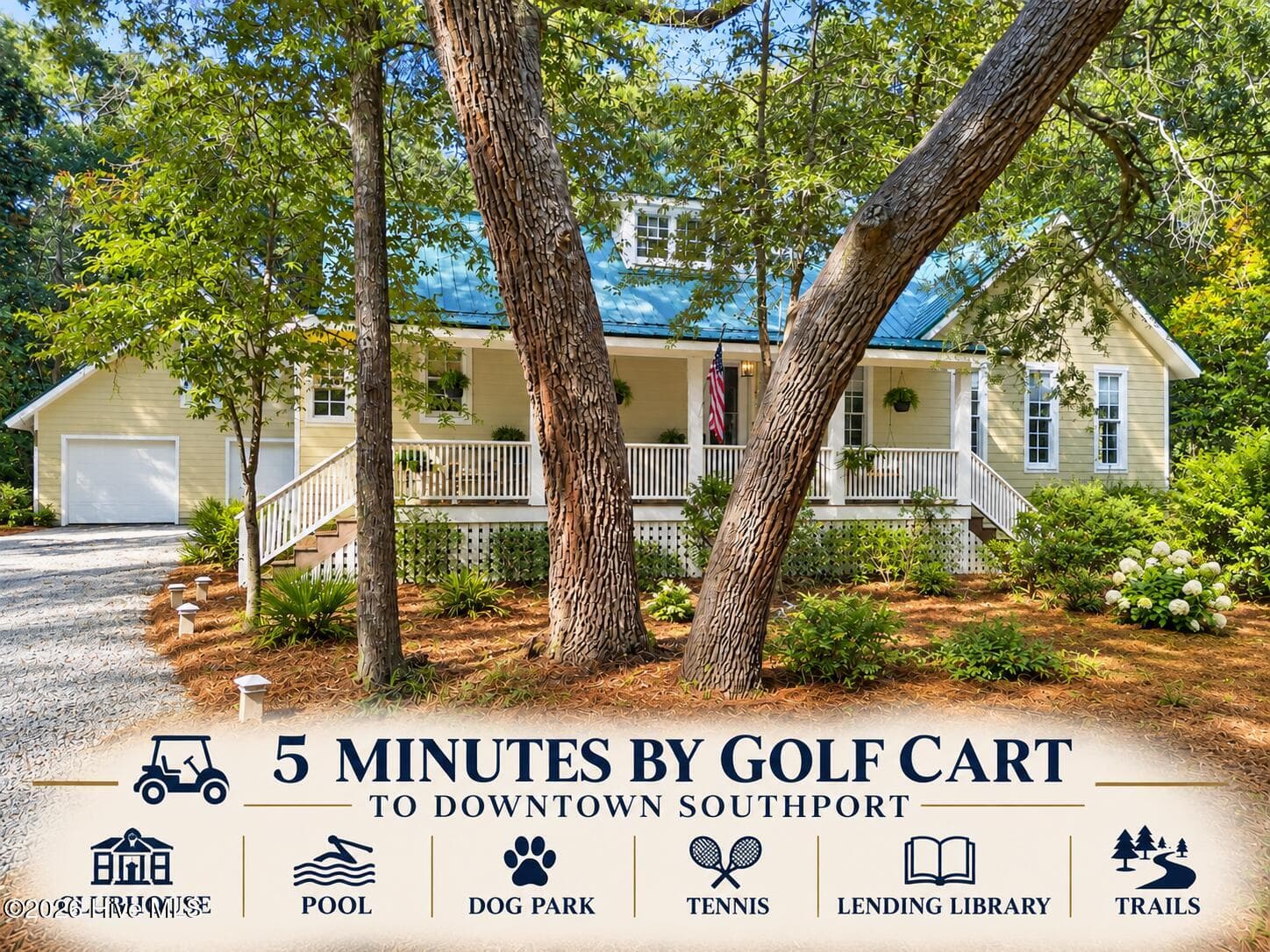
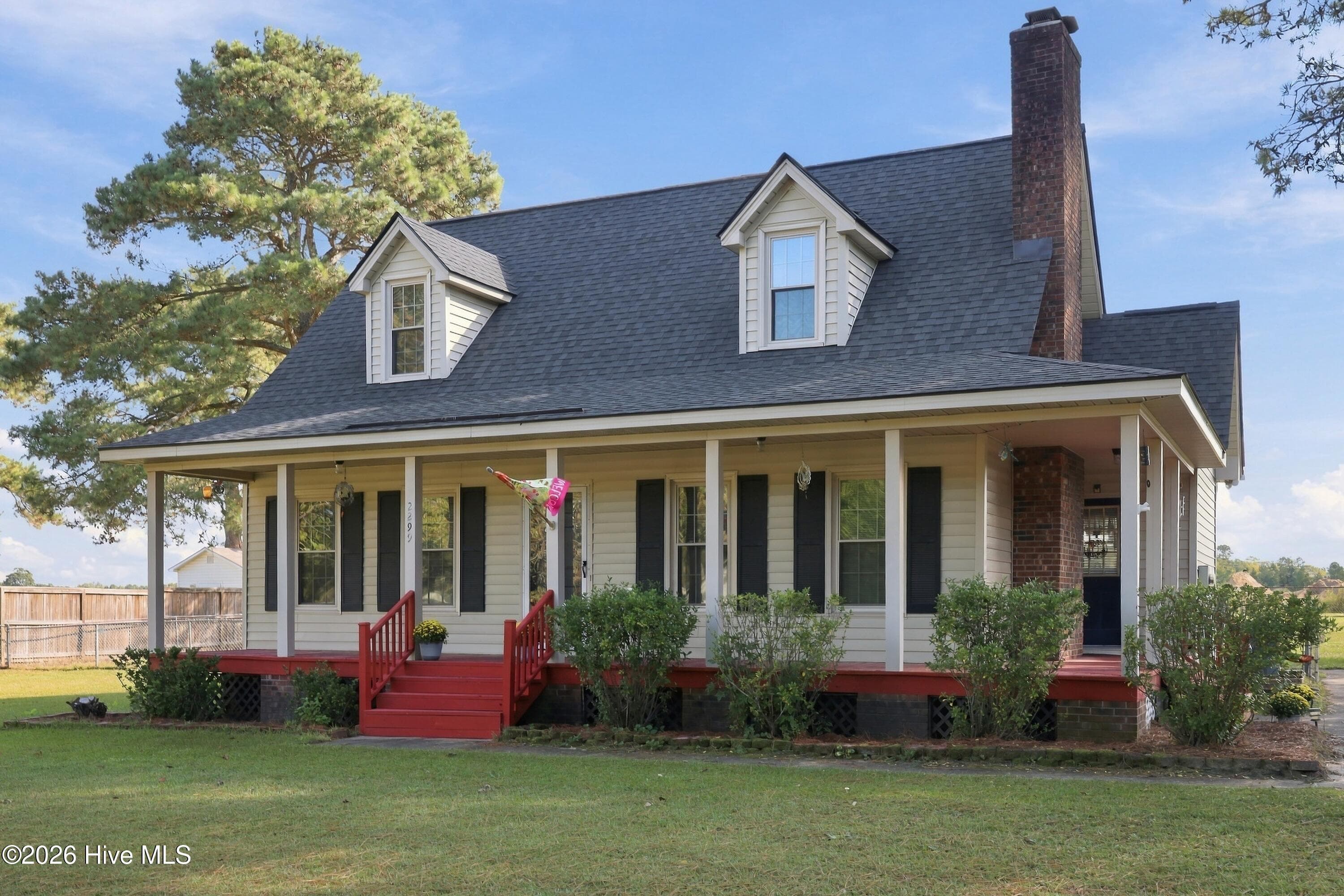
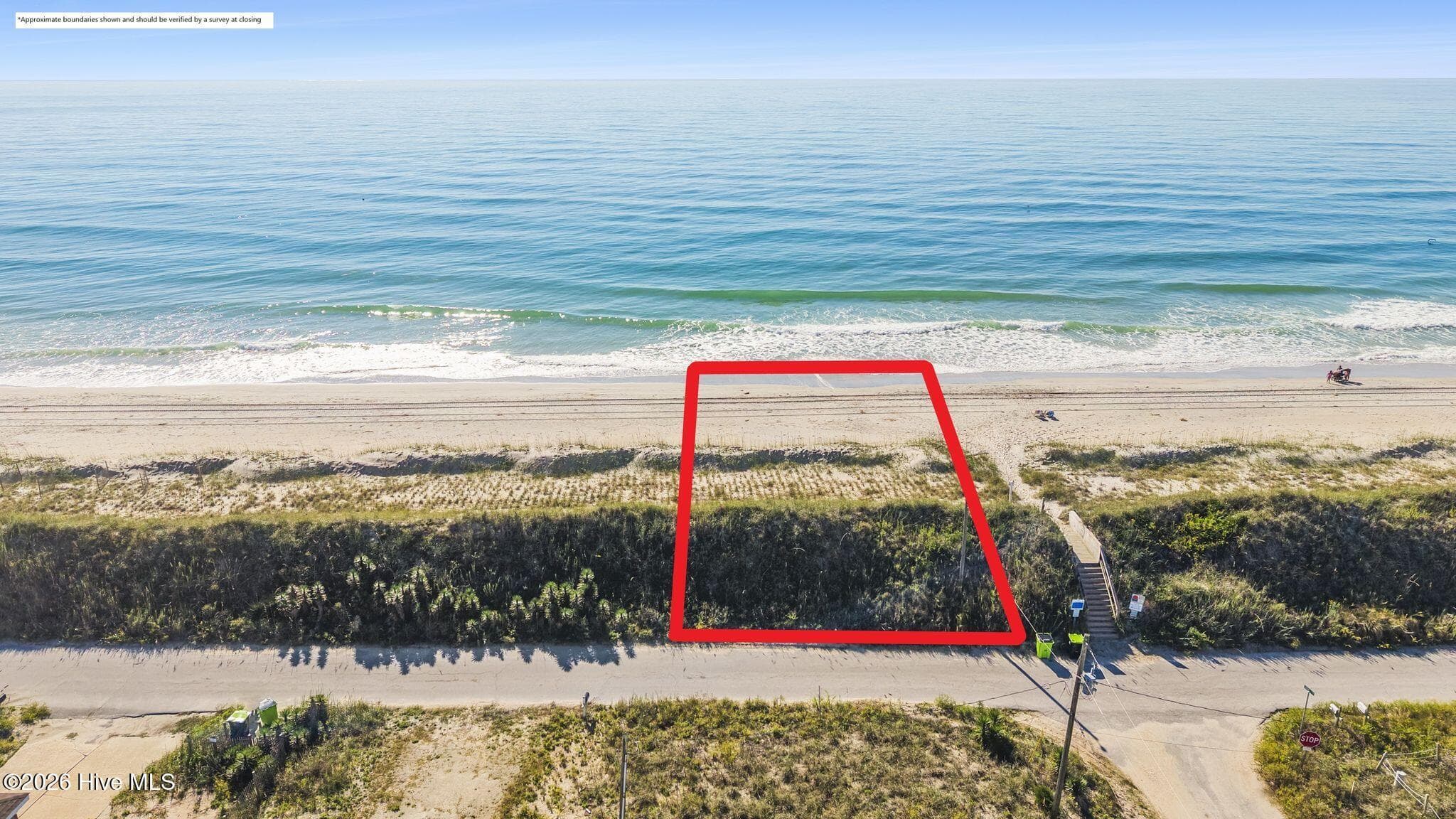
Newest homes for sale
Three of the most recent listings across coastal Carolina.
What to do in Wilmington
Riverwalk & downtown — The Cape Fear Riverfront and Riverwalk anchor dining, breweries, galleries, and events; historic districts and brick streets give downtown a walkable core unlike smaller coastal towns.
Beach days — Wrightsville Beach (upscale, compact), Carolina Beach (boardwalk, lively energy), and Kure Beach (quieter, residential) are short drives for ocean swimming, surf, and sound paddling.
History & attractions — The Battleship North Carolina and riverfront museums draw locals and visitors; seasonal festivals and film-related events keep the calendar busy year-round.
Parks & outdoors — Greenfield Lake, Airlie Gardens, and county parks support running, kayaking, and relaxed afternoons without leaving city limits.
Regional day trips — Hampstead and the Topsail corridor sit north on the ICW; Leland and Brunswick County beaches sit south for golf, new construction, and different price bands when you want variety beyond New Hanover.
Frequently Asked Questions
Should I buy in Wilmington or on Wrightsville or Carolina Beach?
Wilmington offers urban amenities, employer density, and more housing variety at many price points. The municipal beaches trade square footage and yard for ocean proximity and vacation demand—often with higher wind and flood considerations. Buyers who need daily Wilmington access but want salt air on weekends sometimes choose a primary home in the city and beach time on the islands, or compare near-beach Wilmington neighborhoods against island condos.
Riverfront, creek, and near-marsh neighborhoods can carry AE or VE exposure depending on elevation and construction era; inland subdivisions may sit in X zones but maps change. Elevation certificates and flood quotes belong in due diligence for any water-adjacent purchase. See our [flood zone guide](/blog/flood-zones-coastal-home-buying) and [coastal buyer services](/services/coastal-properties/buyers) for a practical checklist.
New Hanover County Schools operates elementary through high schools across the city; magnet and charter options exist. Private schools and UNCW anchor education choices for students and buyers weighing school fit. School assignment is address-specific—verify with the district when you are under contract.
No—the economy mixes port and logistics, healthcare, education, film production, tourism, and remote-work professionals. Inventory spans downtown condos, historic homes, midtown subdivisions, and newer growth corridors. Investors evaluate long-term rental demand and short-term rental rules by municipality and HOA.
Camp Lejeune and Jacksonville are typically under an hour depending on traffic and route—feasible for some commuters but not the same as living in Onslow County. Buyers who need daily base access often compare Jacksonville, Sneads Ferry, or Hampstead against Wilmington; we help you map realistic drive times before you commit.