Where Should You Buy in Jacksonville NC? A Buyer’s Guide to Choosing the Right Area
By Carroll Harrod · Salt & Soil Realty Group
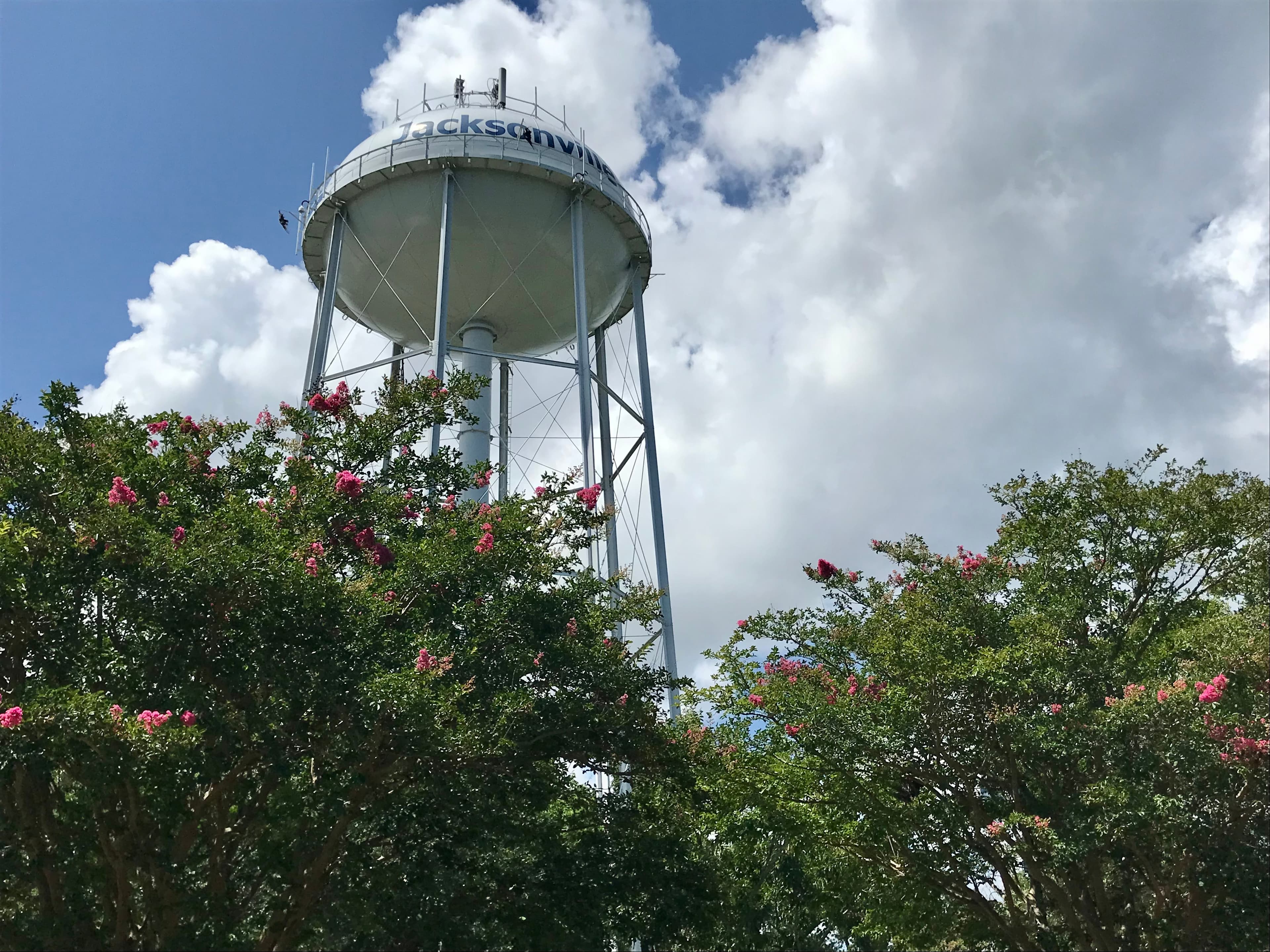
One of the most common questions homebuyers ask is: What are the best neighborhoods in Jacksonville, NC? It is an understandable question. Buyers want to make a smart decision. They want to compare options, understand the market, and avoid buying a home that does not fit their needs. But there is a better way to ask it. Instead of asking, “What is the best neighborhood?” ask: Which area, property, and monthly payment make the most sense for my specific situation? That is a stronger question because there is no single “best” area for every buyer. The right choice depends on budget, commute needs, property type, loan program, flood considerations, HOA rules, insurance costs, lot size, condition, resale factors, and personal preferences. A home that works well for one buyer may not work for another. A property that looks like a strong deal online may not be the best fit once taxes, insurance, repairs, HOA dues, and daily logistics are included. The goal is not to chase someone else’s version of “best.” The goal is to make a clear, well-researched decision. Salt & Soil Realty Group is a real estate brokerage, not a lender, tax advisor, appraiser, or insurance agency. This post is educational; confirm loan, tax, insurance, and contract details with licensed professionals. Also see **coastal NC home buyer guide, **buying a house guide, and how much income to afford a house in Jacksonville NC. Carroll Harrod with Salt & Soil Realty Group helps buyers in **Jacksonville, NC** and Coastal North Carolina compare neighborhoods, financing, and due diligence before closing. ---
Why this question matters in the 2026 Jacksonville NC market
The 2026 Jacksonville, NC market gives buyers more to compare than they had earlier in the year. FRED data sourced from Realtor.com showed active listings in the Jacksonville, NC metro rising from 984 in January 2026 to 1,069 in May 2026. FRED defines this series as the count of active single-family and condo/townhome listings in the market during the month, excluding pending listings. (FRED) At the same time, the median listing price moved from $335,000 in January 2026 to $345,000 in May 2026. (FRED) So while inventory has improved, prices have not simply fallen apart. Mortgage rates also remain a major part of the decision. Freddie Mac reported that the average 30-year fixed-rate mortgage was 6.48% as of June 4, 2026. (Freddie Mac) That means choosing where to buy is not just about liking a location. It is about understanding the full monthly cost of each specific property. Pair this with how much money you need to buy in Jacksonville NC when you are building a cash plan. A buyer comparing homes in Jacksonville should look beyond the list price and ask:
- What is the total payment?
- What are the property taxes?
- What will homeowners insurance cost?
- Is flood insurance required or worth considering?
- Are there HOA dues?
- What repairs may be needed?
- How does the location fit my daily routine?
- How does the home compare with other options in the same price range? Those questions are more useful than any generic list of “best neighborhoods.”
Why “best neighborhood” lists can mislead Jacksonville buyers
Online neighborhood lists can be helpful for early research, but they can also be misleading. Some are built from search trends, broad assumptions, old data, or advertising relationships. Others rely too heavily on vague labels like “up-and-coming,” “desirable,” “safe,” or “family-friendly.” Those phrases may sound harmless, but they can distract buyers from the facts that actually matter. They can also create Fair Housing concerns if they imply who should or should not live in a particular area. HUD explains that the Fair Housing Act protects people from discrimination when buying, renting, getting a mortgage, seeking housing assistance, or engaging in other housing-related activities. (HUD) A better approach is to use objective criteria. Instead of asking whether an area is “good,” ask questions you can verify:
- How far is the home from the places I need to go?
- What are similar homes listed or selling for?
- How long are comparable homes staying on the market?
- What are the property taxes?
- What does insurance cost for this address?
- Is the property in a flood zone?
- What are the HOA rules and fees?
- What repairs or updates may be needed?
- What is the lot like?
- What does the survey show?
- How does this home compare with other homes in the same price range? That kind of research keeps the decision focused on the property, the numbers, and the buyer’s needs.
Start with your budget, not the Jacksonville map
Many buyers start by looking at the map. That is natural. Location matters. But in the 2026 market, it is usually smarter to start with the payment. A $345,000 home with one tax bill, one insurance quote, and one HOA fee may feel very different from another $345,000 home with different ownership costs. Two homes with the same price can have very different monthly payments. That is why the first step is to define a comfortable payment range. Not the maximum approval number. Not the highest number a lender will allow. The number that still lets you live comfortably after closing. Once that number is clear, the map becomes more useful. You can compare areas based on where the right homes are actually available within your payment range.
Compare commute and daily routine for the specific address
Commute is one of the most practical parts of choosing where to buy. But buyers should avoid relying on vague listing language like “close to everything” or “easy commute.” Those phrases mean different things to different people.
What to test before you write an offer
Instead, test the specific drive times that matter to you. Check the route from the home to work, appointments, shopping, recreation, or any other places you visit regularly. Test the drive at the times you are most likely to travel. A route that looks simple at noon may feel different during morning or evening traffic. Also think about how often you make the drive. A route you travel once a week may matter less than a route you travel twice a day.
Why Jacksonville drive times vary so much
For Jacksonville buyers, commute patterns can vary depending on bridges, gates, base traffic, school traffic, construction, weather, and the specific side of town involved. The right answer is not the same for everyone. If you are relocating for Camp Lejeune or another military assignment, gate wait times and the side of town you live on can matter as much as the neighborhood name. That is why the best due diligence is address-specific.
Decide what type of property you actually want
The right area often depends on the type of property you want. Some buyers want a newer home with a smaller yard and an HOA. Some want an older home with more established features. Some want a larger lot. Some want less exterior maintenance. Some need a garage, workshop, porch, fenced yard, extra parking, or room for outdoor projects. Those property preferences can change where you search.
Newer subdivision home vs acreage vs townhome
If you want a newer subdivision home, your search may look different from someone looking for acreage, a home with no HOA, a fixer-upper, a townhome, or a property with room for equipment. New construction vs resale in Jacksonville NC is a useful companion when that choice is still open. This is where buyers should be honest early. A home can be in a convenient location and still not fit your plans if the lot, layout, parking, HOA rules, storage, or maintenance needs do not work. Do not only ask where to buy. Ask what you are actually trying to buy.
Should you buy in an HOA community in Jacksonville NC?
HOA rules can be a major part of the decision. Some buyers prefer communities with HOA standards, common areas, or amenities. Others prefer fewer restrictions. Neither preference is right or wrong. The important thing is understanding the rules before you buy.
What to review in the HOA documents
Review the HOA documents, not just the listing summary. Ask about:
- Dues
- Transfer fees
- Architectural guidelines
- Parking rules
- Rental restrictions
- Fencing rules
- Shed restrictions
- Exterior modification rules
- Any special assessments
What the dues actually cover
Also ask what the HOA maintains. Some dues may cover common areas, stormwater areas, entrances, private roads, amenities, or other items. Others may cover very little. An HOA is not just a monthly fee. It is a set of rules that affects how the property can be used. That means HOA review should happen early in the buying process.
How flood zones and insurance change where you should buy
In Jacksonville and the surrounding Onslow County market, flood zone and insurance questions should be part of the location decision. For a deeper walkthrough, see how flood zones affect coastal home buying.
Where to check flood maps in Onslow County
Onslow County says its new flood maps became effective on January 17, 2025, and that its GoMaps system includes layers for historic flood maps and new effective maps. The county also points property owners to North Carolina’s Flood Risk Information System, known as FRIS, for flood zone and risk information. (Onslow County) FEMA’s Flood Map Service Center is the official public source for flood hazard information produced in support of the National Flood Insurance Program. (FEMA Flood Map Service Center) A home’s flood zone designation, elevation, drainage, roof age, wind and hail coverage, homeowners insurance cost, and flood insurance requirement can all affect the total cost of ownership. That is why buyers should avoid making location decisions based only on appearance. A home may have great photos and a comfortable layout, but if insurance is much higher than expected, the monthly payment may not work. Another home may have a higher purchase price but a better total-cost picture after insurance and maintenance are considered.
What to ask before you trust the listing
The key is to get address-specific information:
- Look up the flood zone
- Ask whether flood insurance is required
- Get real homeowners insurance quotes
- Ask about wind and hail coverage
- Review the roof age
- Look at drainage around the home
- Ask about any known water issues
- Review available elevation information if relevant Do not assume one side of town is automatically better or worse. Verify the specific property.
Why condition can matter more than a neighborhood label
A home’s condition can completely change the decision. A buyer may find a home in an area they like, but the inspection reveals major roof, HVAC, plumbing, electrical, foundation, crawl space, moisture, or drainage concerns. Another home may be in a less obvious search area but have a stronger condition profile, better maintenance history, lower ownership costs, or fewer immediate repair concerns. That is why condition should be compared alongside location. The right home is not always the one with the most familiar ZIP code or the best listing photos. It may be the one with the best combination of price, payment, condition, location, and risk. The North Carolina Real Estate Commission encourages buyers to consider property evaluations that may include a home inspection, wood-destroying insect inspection, survey, moisture review, foundation evaluation, septic review, and utility verification depending on the property. NCREC also notes that a general home inspection is visual and not exhaustive. (NCREC Bulletins)
What to look at before you fall in love with the location
Buyers should look closely at:
- Roof age
- HVAC age
- Water heater age
- Crawl space condition
- Drainage
- Plumbing
- Electrical system
- Windows and doors
- Exterior siding
- Appliances
- Flooring
- Foundation signs
- Pest or moisture concerns
- Past permits or repairs
- Septic or well condition, if applicable A strong location does not erase expensive repair needs. The Jacksonville NC home inspection guide walks through what those evaluations usually cover.
Do not ignore resale value when you choose an area
Even if you plan to stay for a while, resale value should still be part of the conversation. Resale value is not just about the neighborhood name. It can be affected by layout, lot size, condition, updates, nearby comparable sales, competing new construction, HOA rules, flood risk, insurance costs, road access, parking, property type, and buyer demand at the time you sell. A home with an unusual layout may be harder to resell even if it works for you. A home with deferred maintenance may limit future buyer interest. A home with high insurance costs may affect affordability for future buyers too. That does not mean you should only buy the most conventional property. It means you should understand what you are buying and how it may compete later. A good purchase decision balances personal fit with market awareness.
Compare similar homes across Jacksonville, not just areas
One of the best ways to choose where to buy is to compare similar homes across different areas. Instead of asking, “Which area is best?” ask:
- What does $300,000 buy in each area I am considering?
- What does $350,000 buy?
- What does $400,000 buy?
- How old are the homes?
- How large are the lots?
- Are the homes mostly new construction or resale?
- Are there HOA dues?
- How do taxes and insurance compare?
- How quickly are similar homes going under contract?
- Are sellers offering concessions?
- How much work do the homes need? That approach gives buyers a clearer picture. Sometimes the area that looks best on paper does not offer the best home for your budget. Sometimes a less obvious search area gives you a stronger property, better condition, or more comfortable payment. The point is not to chase labels. The point is to compare real homes.
Visit the property at different times of day
Online research is helpful, but it cannot replace seeing a property in person. When possible, visit the area at different times of day. Pay attention to traffic, noise, lighting, road conditions, parking, drainage, and how the property feels during the times you would actually be there. Also look beyond the house itself:
- How does the driveway work?
- Is there room to park?
- Is the road public or private?
- Are there sidewalks if that matters to you?
- How does water move through the yard?
- Is there nearby construction or vacant land that could change later?
- Are there road, access, or maintenance questions to understand? These are practical observations, not assumptions about people. They help buyers evaluate the property and setting as they actually exist.
Use public data carefully when you compare areas
Public data can help buyers make better decisions, but it should be used carefully. GIS maps, flood maps, tax records, permit records, zoning maps, school assignment tools, crime maps, and market data can all provide useful information. But each source has limits. A tax record may not show recent updates. A school assignment tool may change. A flood map may need interpretation. A permit record may not tell the full story. A listing site estimate may not match market value. Public data is a starting point, not the final answer. Use it to ask better questions.
A better way to ask where to buy in Jacksonville NC
If you are trying to compare Jacksonville-area options, these questions are more useful than “What is the best neighborhood?”
- What areas have homes within my payment range?
- Which homes fit my commute needs?
- Which properties have the strongest total ownership-cost picture?
- Which homes have the strongest condition based on inspection?
- Which locations fit my daily routine?
- Which properties have flood or insurance issues I need to understand?
- Which homes have HOA rules that match how I want to use the property?
- Which homes offer the best combination of lot, layout, condition, and payment?
- Which properties have resale factors I should think about now? These questions are fair, objective, and useful. They keep the conversation focused on the buyer’s needs and the property’s facts.
The bottom line
So, where should you buy in Jacksonville, NC? The answer depends on the specific home, not just the neighborhood name. In 2026, Jacksonville buyers have more inventory to compare than they had earlier in the year, but affordability still matters. Median listing prices have remained firm, and mortgage rates are still high enough that monthly payment, taxes, insurance, flood risk, and HOA costs all need to be part of the decision. Do not let a generic “best neighborhood” list make the decision for you. Start with your budget. Compare real homes. Check the commute. Review flood and insurance costs. Understand the HOA. Inspect the property carefully. Think about resale. Then choose the home and location that make the most sense for your life and your numbers. The best area is not the one someone else labels as best. It is the one where the property, payment, and long-term plan all work together. For buyers comparing homes, land, new construction, or rural property in Jacksonville, Onslow County, and the surrounding Eastern North Carolina market, Salt & Soil Realty Group can help you think through the property-specific questions before you commit. Carroll Harrod and Salt & Soil Realty Group can help you compare real options without relying on vague neighborhood labels.
Frequently Asked Questions
What is the best area to buy in Jacksonville NC?
There is no single best area for every buyer. The right choice depends on your budget, commute needs, property type, loan program, insurance costs, flood considerations, HOA rules, condition, and long-term plans. It is better to compare specific homes than rely on broad area labels.
Compare objective factors such as total monthly payment, taxes, insurance quotes, commute times, flood zone information, HOA rules, property condition, lot size, and resale factors. Those details give you a clearer picture than a generic neighborhood ranking.
Both matter. A strong location does not erase major repair needs, and a well-maintained home still needs to fit your daily routine and ownership goals. The best choice is usually the home with the strongest combination of payment, location, condition, and long-term fit.
Flood risk should be part of the decision for any Jacksonville or Onslow County buyer. Check the flood map, ask whether flood insurance is required, get insurance quotes early, and review drainage conditions for the specific property. Do not rely only on the listing description.
Not necessarily. An HOA may work well for some buyers and not for others. The important thing is to review the dues, rules, restrictions, architectural guidelines, rental policies, transfer fees, and maintenance responsibilities before closing.
Research references
- FRED / Realtor.com: Jacksonville, NC active listing count. (FRED)
- FRED / Realtor.com: Jacksonville, NC median listing price. (FRED)
- Freddie Mac Primary Mortgage Market Survey, June 4, 2026. (Freddie Mac)
- HUD Fair Housing Act overview. (HUD)
- Onslow County Floodplain Management. (Onslow County)
- FEMA Flood Map Service Center. (FEMA Flood Map Service Center)
- North Carolina Real Estate Commission inspection guidance for homebuyers. (NCREC Bulletins) --- Questions about buying in Jacksonville, NC or Coastal North Carolina? Contact Salt & Soil Realty Group.