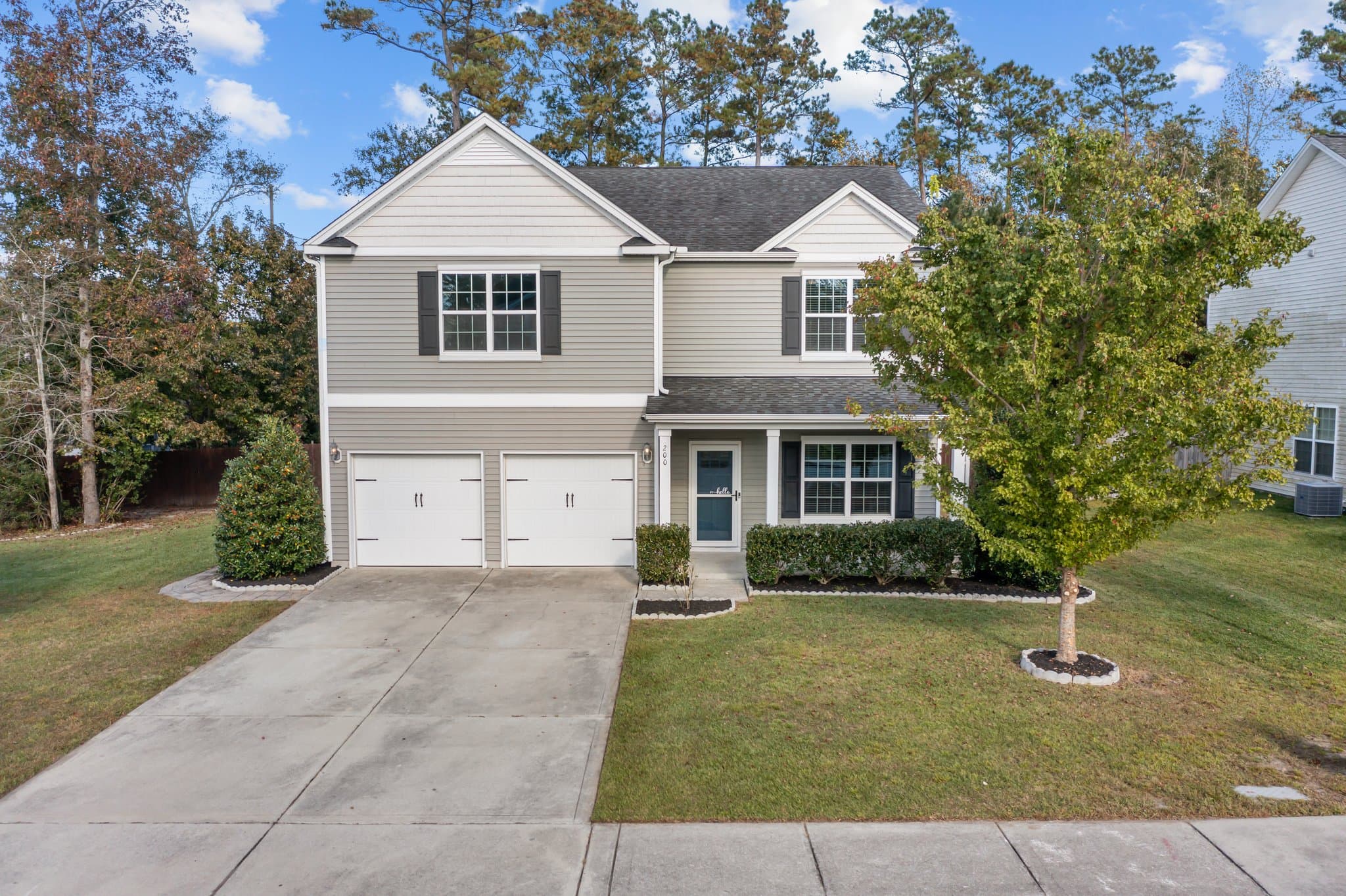
Selling a House and Capital Gains Tax
By Carroll Harrod · Salt & Soil Realty Group
If you are selling a house, a top tax question is whether you will owe federal capital gains tax on the sale. Many sellers owe little or no federal tax on the sale of a main home, but that depends on profit, how long you owned and lived there, whether you used the exclusion recently, and whether part of the property was a rental or business. Start with IRS **Topic 701, Sale of your home for the official framework. **Salt & Soil Realty Group is a real estate brokerage, not a law firm, CPA firm, or tax preparer. This page is education, not tax advice. Apply the rules to your situation with a qualified tax professional and current IRS publications. For the listing and negotiation side, see the **coastal NC home seller guide and **strategies to price a house to sell quickly. Carroll Harrod helps Jacksonville and Eastern North Carolina sellers plan the sale timeline and documentation so you can hand your CPA complete information before closing. ---
Section 121: the $250,000 / $500,000 primary residence exclusion
The core federal rule is the home-sale exclusion under Section 121. IRS Topic 701 explains that you may be able to exclude up to $250,000 of gain (single) or up to $500,000 (married filing jointly in many cases) when you sell your main home, if you meet the tests. You generally must have owned the home at least two years and used it as your main home at least two years during the five-year period ending on the sale date. You also generally cannot have used the exclusion on another home sale during the two-year period ending on the date of sale. Capital gains tax on the sale often matters only when taxable gain exceeds your available exclusion, or when you fail the eligibility rules. ---
How taxable gain and adjusted basis work (it is not just sale price minus purchase price)
Gain depends on what you realize on the sale (after selling expenses) compared with your adjusted basis—not a simple “what Zillow said” number. The IRS **Property (basis, sale of home, etc.) FAQ collection explains how **basis is determined and adjusted. Publication 523 (below) also walks through worksheets for basis, gain, and excludable gain. This is where records matter: closing statements, invoices for capital improvements, and consistent documentation help your preparer support the numbers if questions arise. ---
Capital improvements, repairs, and the records sellers should gather early
A capital improvement that increases basis is not the same thing as routine maintenance. A new roof, addition, major remodel, or qualifying HVAC replacement may increase adjusted basis and reduce gain, subject to IRS rules and proof. IRS **Publication 523, Selling Your Home is the practical hub for **selling scenarios, basis examples, partial exclusions, and planning before you list. Carroll Harrod can help you organize questions and timelines for the sale; your CPA decides what counts as a capital improvement in your file and how to document it. ---
You generally cannot deduct a loss on the sale of your main home
If you sell your primary residence for less than your adjusted basis, that loss is typically not deductible on your federal return for that personal-use sale. The IRS states this in plain language in **Sale of residence—real estate tax tips. Plan for that reality if you are selling after a **down market or a short holding period with limited appreciation. ---
Partial exclusion when you sell before two years: job, health, or unforeseen circumstances
Some sellers qualify for a reduced exclusion even when they do not meet the full two-out-of-five-year ownership and use tests. Publication 523 (linked above) covers when a partial exclusion may apply if the primary reason for the sale was a change in employment location, health, or certain unforeseen circumstances, subject to facts and tests. If you might move sooner than two years—PCS, job transfer, or family health changes—loop in your tax advisor before you accept an offer so you know what documentation to keep. ---
Rental, Airbnb, or home-office use: depreciation recapture and harder math
If part of the home was rented or used for business, the sale can trigger rules beyond the simple exclusion. The IRS **Sales, trades, exchanges FAQ discusses that **gain equal to depreciation allowed or allowable after May 6, 1997 generally cannot be excluded under the main home rules, and notes unrecaptured Section 1250 gain may be taxed at up to 25%. Some taxpayers may also owe the 3.8% Net Investment Income Tax on certain investment income, depending on income and facts. If you ever took depreciation on a home office or rental portion, treat the sale as a CPA project, not a DIY checkbox. ---
Form 1099-S, reporting, and why paperwork at closing still matters
A closing may generate Form 1099-S. The **Instructions for Form 1099-S explain reporting obligations for filers. A sale can be **reportable even when gain is ultimately excluded under Section 121—so keep closing documents, HUD-1/Closing Disclosure history, and improvement receipts organized. When gain is taxable, reporting often flows through Form 8949 and Schedule D as described in IRS materials tied to your return year; your preparer will map the forms to your software or paper filing. ---
Plan the Eastern NC sale with tax awareness, not tax guesses
Jacksonville and coastal markets can mean fast offers and tight due diligence. Knowing whether you meet Section 121, whether partial exclusion might apply, and whether rental or business use changes the picture helps you avoid surprises after the wire hits. Pair this read with **how buying a house affects taxes if you are also **replacing the home you sell.
Frequently Asked Questions
1. Do I always pay capital gains tax when I sell my house?
No. Many sellers can exclude a large amount of gain on a main home if they meet Topic 701 rules. See Section 121 above.
Generally two years of ownership and two years of main-home use in the five years ending on the sale date, with other limits—see Topic 701 in the first substantive section.
You might qualify for a partial exclusion for certain job, health, or unforeseen reasons. See Partial exclusion and Publication 523 linked there.
Generally no for a personal main home sale. See You generally cannot deduct a loss above.
Yes, it can, especially when depreciation was allowed or allowable. See Rental, Airbnb, or home-office use and the IRS FAQ linked there.