New Construction vs Resale Homes in Jacksonville NC: Which Is Better for Buyers?
By Carroll Harrod · Salt & Soil Realty Group
One of the most common questions Jacksonville, NC buyers ask is simple: Should I buy a new construction home or a resale home? It is a good question, especially in a 2026 market where buyers are balancing mortgage rates, insurance costs, inventory, builder incentives, repair concerns, and long-term resale value. The answer is not the same for every buyer. A new construction home may offer fresh finishes, builder warranties, lower immediate maintenance, and possible incentives. A resale home may offer an established lot, existing improvements, location variety, and more history to review before closing. The better choice depends on the specific home, not the category. So instead of asking, “Is new construction better than resale?” ask this: Which specific home gives me the strongest combination of payment, condition, location, contract terms, risk, and long-term value? Salt & Soil Realty Group is a real estate brokerage, not a lender, tax advisor, appraiser, or insurance agency. This post is educational; confirm loan, tax, insurance, and contract details with licensed professionals. Also see **coastal NC home buyer guide, **buying a house guide, and how much income to afford a house in Jacksonville NC. Carroll Harrod with Salt & Soil Realty Group helps buyers in **Jacksonville, NC** and Coastal North Carolina compare neighborhoods, financing, and due diligence before closing. ---
Why This Question Matters in the 2026 Jacksonville Market
The Jacksonville, NC market has more inventory than it had at the beginning of the year, but affordability is still a major factor. FRED data sourced from Realtor.com showed Jacksonville, NC metro active listings rising from 984 in January 2026 to 1,069 in May 2026. The same data showed the median listing price moving from $335,000 in January 2026 to $345,000 in May 2026. (FRED) At the same time, Freddie Mac reported that the average 30-year fixed-rate mortgage was 6.48% as of June 4, 2026. (Freddie Mac) That means buyers may have more homes to compare than they had earlier in the year, but prices and payments still need to be reviewed carefully. A new construction home with builder incentives may have a lower effective monthly payment than a similarly priced resale home. A resale home with a lower list price may be the better fit if it has stronger condition, existing improvements, lower HOA costs, or room to negotiate repairs or closing help. The market is not giving buyers one obvious answer. It is forcing buyers to compare carefully.
The Case for New Construction
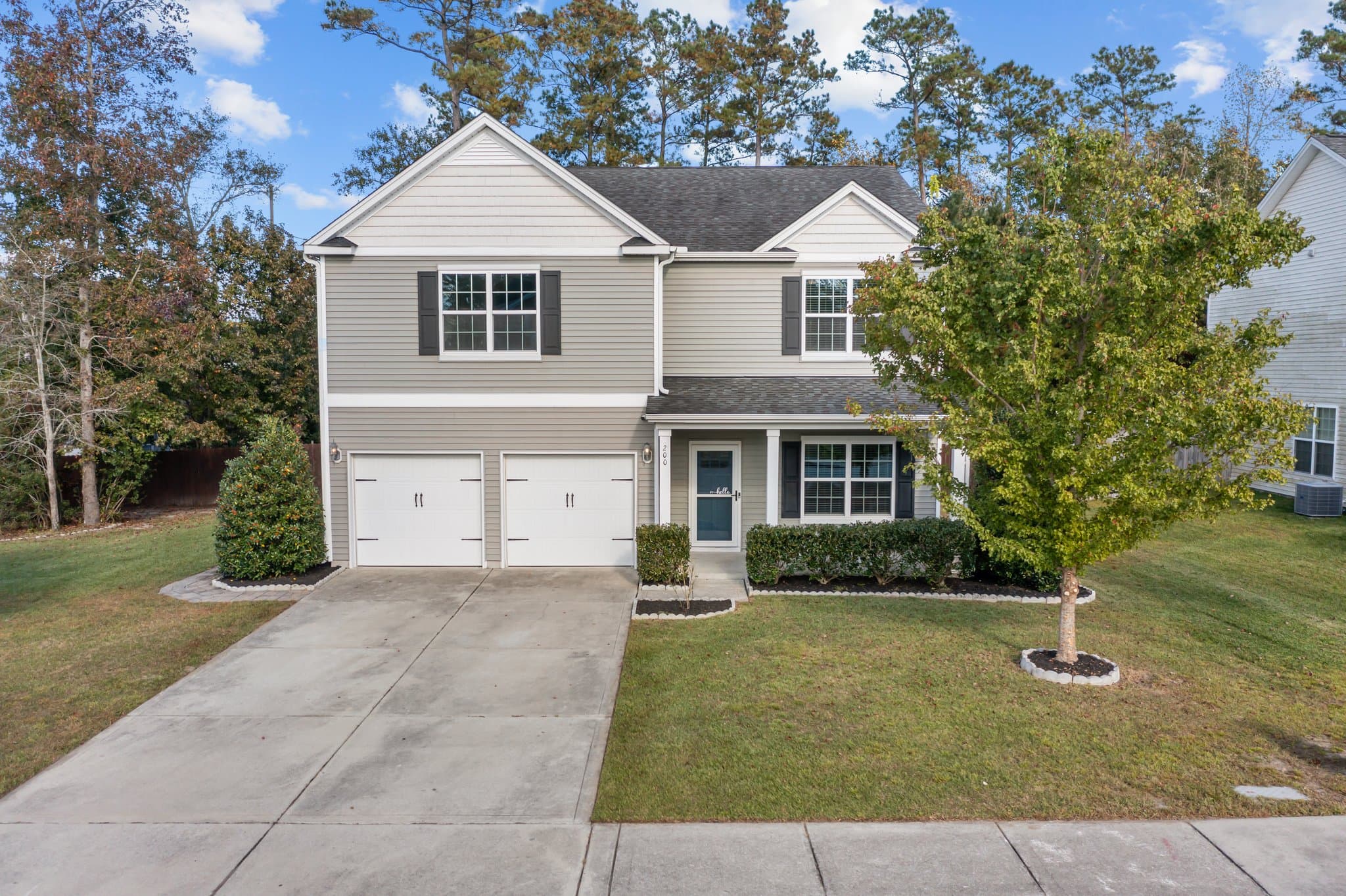
New construction can be appealing because it often feels simpler at first glance. The home is new. The roof is new. The HVAC is new. The appliances are usually new. The finishes are current. The builder may provide a warranty. In some cases, buyers may be able to choose certain colors, flooring, counters, fixtures, or upgrades before completion. That can be attractive for buyers who want fewer immediate repair concerns. New construction may also come with builder incentives. Depending on the builder, community, lender relationship, inventory level, and timing, those incentives may include closing-cost assistance, rate buydowns, design credits, appliance packages, or other concessions. Those incentives can matter in a higher-rate market. A builder-paid rate buydown or closing-cost credit can sometimes make a larger difference to a buyer’s cash flow than a small price reduction. But buyers need to understand the details. An incentive is only valuable if it actually improves the total cost and leaves the buyer with loan terms they understand.
The Case for Resale Homes
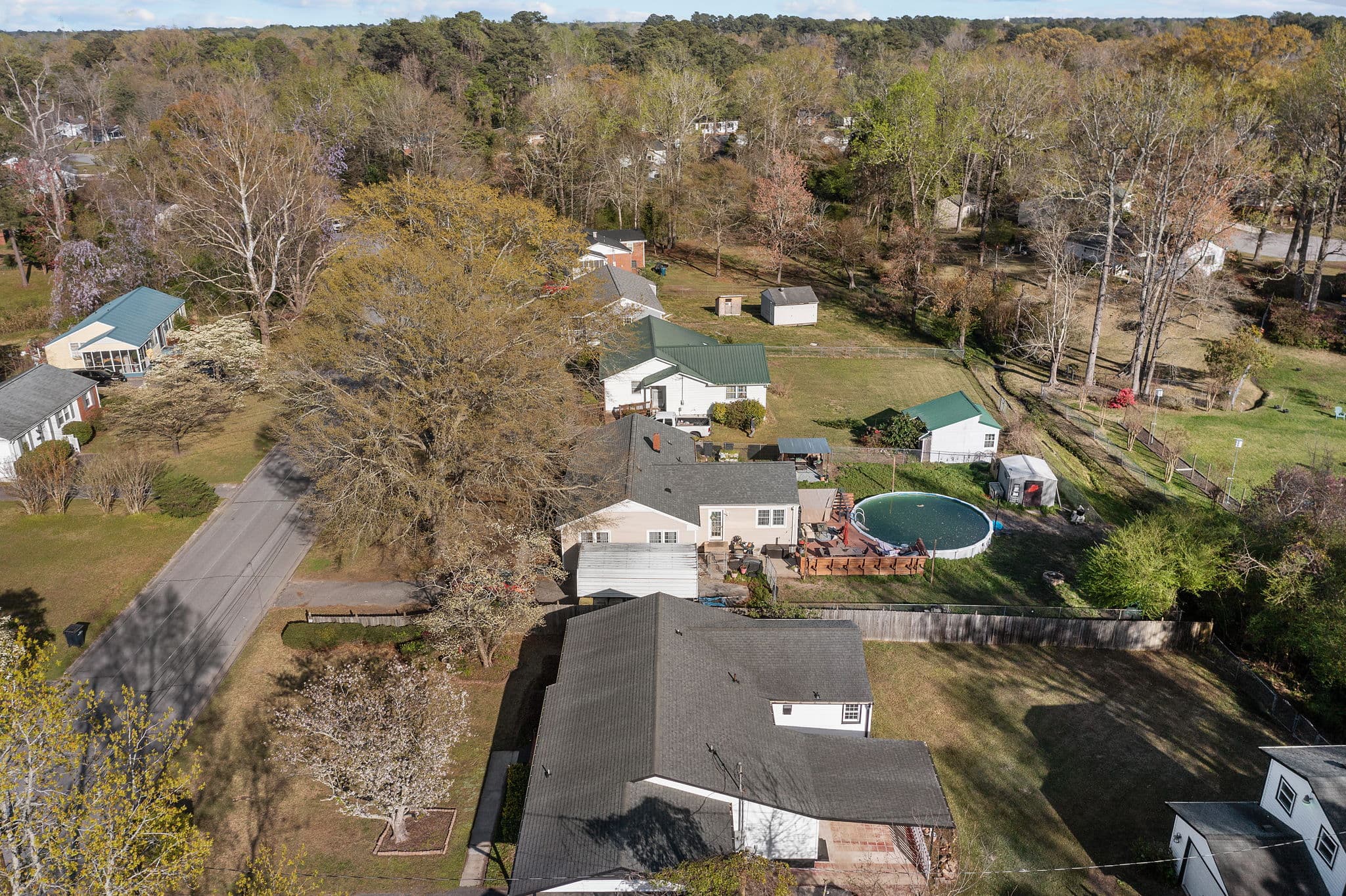
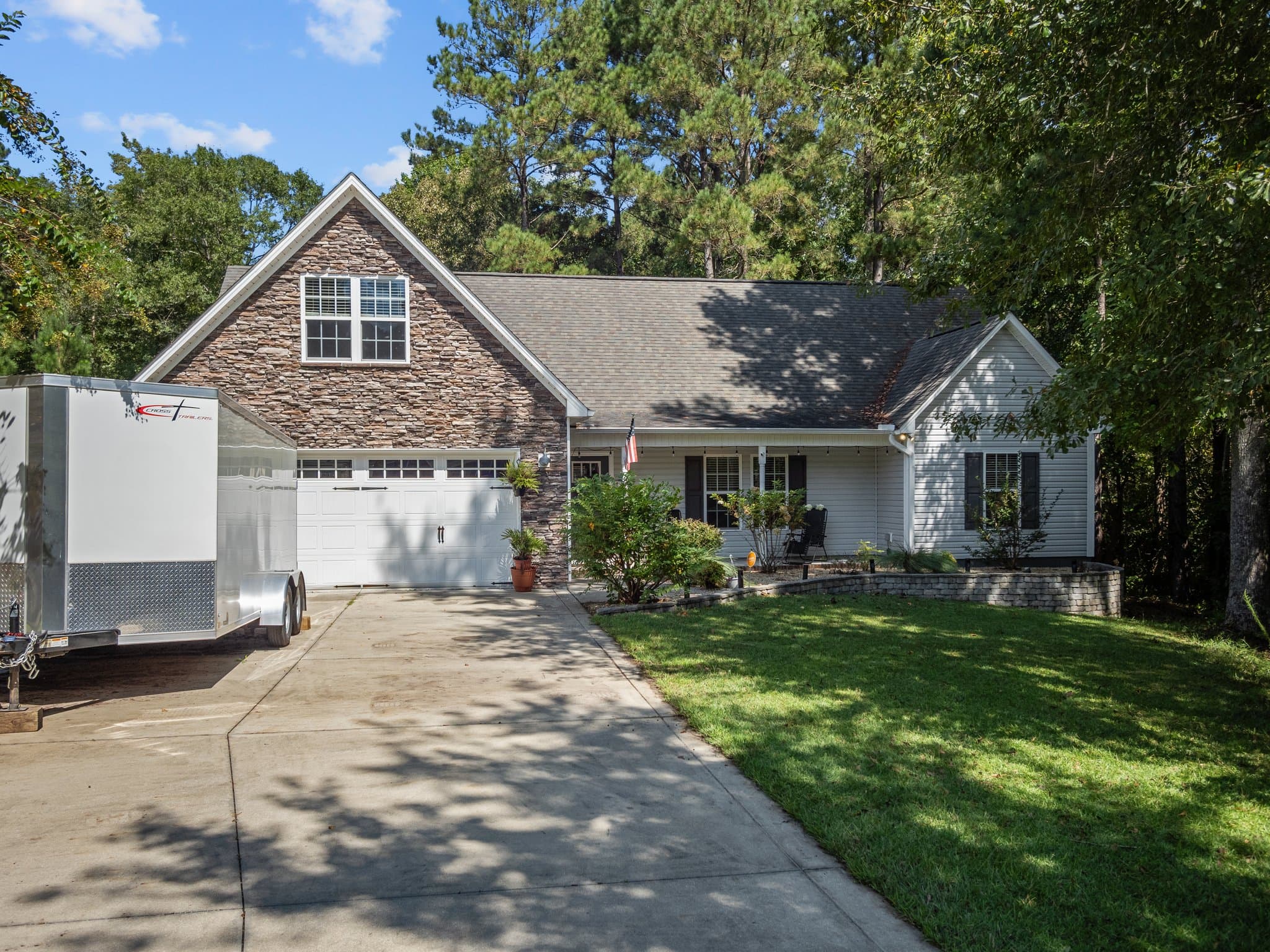
Resale homes can also have major advantages. A resale home already exists. You can walk through it, inspect it, review the actual lot, see the surrounding homes, evaluate the landscaping, and get a clearer sense of how the property functions. You are not relying only on a floor plan, model home, or builder rendering. With a resale home, buyers may also have more location variety. Some homes may be closer to specific roads, work locations, services, outdoor amenities, or property features the buyer wants. Some may have larger lots, fencing, sheds, porches, upgraded interiors, or features that would cost extra in a new build. Resale homes can also give buyers more information about how the property has performed over time. Inspection findings, maintenance history, roof age, HVAC age, prior repairs, drainage patterns, and utility history can all help a buyer make a more informed decision. That does not mean resale is always safer or cheaper. It means resale gives the buyer a different type of information.
Do Not Compare Base Price to List Price
One of the easiest mistakes buyers make is comparing a builder’s base price to a resale home’s list price. That is not always a fair comparison. A new construction base price may not include the lot premium, upgraded flooring, upgraded counters, screened porch, refrigerator, blinds, fence, gutters, landscaping, washer and dryer, or other features the buyer assumes are included. A resale home’s list price may already include some of those items. For example, a resale home may already have a fence, window treatments, refrigerator, washer and dryer, garage storage, mature landscaping, or a screened porch. A new construction home may require the buyer to add some of those items after closing. That does not make either one better. It just means buyers need to compare the true cost of getting each home to the condition and function they want. The right question is not:
- Which one has the lower price?
- The better question is:
- What will I actually spend to own and use the home the way I plan to?
- Builder Incentives Can Be Valuable, But Read the Fine Print
- Builder incentives can be a real advantage in the right situation. A builder may offer money toward closing costs, a lower interest rate through a preferred lender, upgrade credits, or other incentives to help move inventory. But buyers need to understand how those incentives work. Some incentives may require the buyer to use the builder’s preferred lender. Some may apply only to certain homes. Some may be tied to closing by a specific date. Some may affect the buyer’s ability to negotiate other terms. A rate buydown can be useful, but buyers should ask whether it is temporary or permanent. A temporary buydown may lower the payment for the first year or two, then increase later. A permanent buydown may reduce the rate for the life of the loan, but the cost and structure should be reviewed carefully. Ask the lender to show the numbers clearly: What is the rate without the incentive? What is the rate with the incentive? Is the buydown temporary or permanent? What will the payment be in year one, year two, and after the buydown ends? What are the total closing costs? What would the payment look like with a different lender? Is the incentive still valuable after comparing all loan terms? An incentive is not automatically good or bad. It is a math problem. Inspection Still Matters on New Construction Some buyers assume a new home does not need an inspection. That is a mistake. New does not mean perfect. A new construction home can still have issues with grading, drainage, roofing, plumbing, electrical work, HVAC installation, insulation, windows, doors, appliances, framing, trim, concrete, attic ventilation, or incomplete punch-list items. The North Carolina Real Estate Commission says even buyers of newly constructed homes should have home inspections. NCREC also notes that a home inspection is a general visual overview, not an exhaustive guarantee that defects will not arise later. (NCREC Bulletins) A buyer may want to consider a pre-drywall inspection, a final inspection before closing, and an 11-month warranty inspection before the builder warranty period ends. The goal is not to be difficult. The goal is to document issues early and give the builder a chance to address them. Buyers should also understand the difference between the builder’s quality standard, the building code, the home inspector’s comments, and the buyer’s expectations. Those are not always the same thing. Inspection Matters on Resale Homes Too Resale homes need their own careful review. A resale inspection may reveal roof age, HVAC condition, plumbing issues, electrical concerns, crawl space moisture, drainage problems, wood-destroying insect evidence, window issues, appliance concerns, or maintenance items. That does not mean the home is a bad choice. Every home has condition factors. The important thing is knowing what they are before closing. NCREC’s inspection guidance encourages buyers to consider a range of evaluations depending on the property, including surveys, wood-destroying insect inspections, moisture review, foundation review, septic verification, well testing, utility verification, floodplain review, and HOA questions when applicable. (NCREC Bulletins) A resale home may also give the buyer room to negotiate repairs, closing-cost credits, or price adjustments depending on market conditions, seller motivation, contract terms, and inspection findings. In some situations, a resale seller may be more flexible than a builder. In other situations, a builder may offer stronger incentives than a resale seller. There is no universal rule. New Construction Timelines Can Change A completed new construction home may be fairly straightforward from a timing standpoint. A home that is still under construction can be different. Weather, labor availability, materials, inspections, utility connections, permitting, and supply delays can all affect the closing timeline. Buyers should be careful if they need to move by a specific date. A builder’s estimated completion date is not always the same as a guaranteed closing date. That does not mean a buyer should avoid homes under construction. It means the buyer should plan carefully. Ask: Is the home completed, framed, under roof, or still in the early stages? What has to happen before closing? Are utilities connected? Has the certificate of occupancy been issued? What happens if completion is delayed? How does the timeline affect rate locks, moving plans, lease dates, and temporary housing? The timeline is part of the decision. Resale Timelines Can Be More Predictable, But Not Always A resale home is already built, so the closing timeline can sometimes be more predictable. But resale purchases can still have delays. Inspection negotiations, appraisal issues, title concerns, survey findings, repair completion, insurance questions, flood zone review, HOA documents, or financing conditions can all affect the timeline. The advantage is that many of the big unknowns are visible earlier. The home is already there. The buyer can inspect it. The appraiser can evaluate it. The insurance provider can quote the actual property. Still, buyers should not assume resale always means simple. The right approach is to build enough time into the contract for due diligence. HOA and Community Costs Matter Many new construction homes are located in communities with homeowners associations. Many resale homes are too. HOA dues, rules, restrictions, architectural guidelines, parking rules, fencing requirements, rental restrictions, and future community plans can all affect whether a property is the right fit. Buyers should review the HOA documents before closing. Do not rely only on a verbal summary. Ask: What are the dues? What do the dues cover? Are there transfer fees or capital contributions? Are rentals restricted? Are fences, sheds, boats, trailers, or exterior changes regulated? Are there future amenities or phases planned? Who maintains roads, stormwater areas, entrances, or common spaces? An HOA is not automatically good or bad. It is simply part of the ownership structure, and buyers should understand it before closing. Lot, Drainage, and Grading Are Easy to Overlook Whether you are buying new construction or resale, the lot matters. A beautiful house on a poorly draining lot can create long-term frustration. A simpler home on a better-functioning lot may be the stronger fit. With new construction, pay close attention to grading, water flow, neighboring lots, storm drains, ditches, swales, and whether the yard is fully stabilized. Fresh sod and straw can make a lot look finished before it has been tested by heavy rain. With resale homes, look for signs of standing water, erosion, past drainage work, crawl space moisture, musty smells, foundation concerns, or landscaping that directs water toward the home. NCREC specifically notes that even when a property is not located in a designated floodplain, nearby drainage ditches, bodies of water, or surface water draining toward the house can create flooding or moisture concerns that should be examined. (NCREC Bulletins) For Jacksonville and Onslow County buyers, it is also worth checking flood maps and insurance costs for the specific property. FEMA says its Flood Map Service Center is the official public source for flood hazard information produced in support of the National Flood Insurance Program, and Onslow County says new flood maps became effective on January 17, 2025. (FEMA Flood Map Service Center) This is not about ruling out entire areas. It is about evaluating each property on its own facts. Resale Value: Newer Is Not the Only Factor Some buyers assume new construction will automatically have better resale value. Not always. Newness matters, but it is only one part of resale value. Resale value can also be affected by lot size, layout, condition, location, nearby competing inventory, HOA restrictions, upgrades, maintenance, insurance costs, flood risk, and how many similar homes are available when it is time to sell. A new construction home may compete against other new construction homes if the builder is still active nearby. That can matter because builders may be able to offer incentives that an individual homeowner cannot easily match. A resale home may compete differently depending on its condition, upgrades, lot, and how it compares with newer options. The best resale strategy is to buy a home that makes sense from the beginning. Do not assume appreciation will fix every issue. VA, FHA, Conventional, and Builder Contracts Financing can also affect the new construction versus resale decision. VA, FHA, conventional, USDA, and other loan types may each have their own rules, appraisal standards, property requirements, timelines, and underwriting considerations. With new construction, buyers should ask whether the builder accepts their loan type, whether the property is eligible, whether there are required inspections or certifications, and how the builder handles appraisal or closing delays. With resale, buyers should consider property condition, repairs, appraisal risk, and whether the seller understands the loan requirements. A buyer using a VA loan, for example, may still buy new construction or resale, but the details matter. The property must qualify, the buyer must qualify, and the payment still has to work.
How to Choose Between New Construction and Resale
Here is a practical way to compare your options. Start with the payment. Get real payment estimates for both homes, including taxes, homeowners insurance, flood insurance if applicable, HOA dues, and any mortgage insurance or funding fee that applies. Then compare cash needed. Look at down payment, closing costs, inspections, appraisal, moving costs, deposits, builder add-ons, and post-closing expenses like fencing, blinds, refrigerator, washer, dryer, landscaping, or repairs. Then compare condition. For new construction, focus on build quality, inspections, warranty, punch list, drainage, and unfinished items. For resale, focus on roof, HVAC, plumbing, electrical, crawl space, moisture, drainage, appliances, and maintenance history. Then compare contract terms. Builder contracts and standard resale contracts are not the same. Review deadlines, deposits, contingencies, warranties, completion dates, closing-cost credits, dispute provisions, and what happens if something changes. Then compare long-term fit. Think about layout, lot, storage, parking, work-from-home needs, outdoor use, commute logistics, HOA rules, and future resale considerations. The best choice is not always the newest home or the cheapest home. The best choice is the one that works best after all costs and risks are on the table.
The Bottom Line
New construction and resale homes can both make sense in Jacksonville, NC. New construction may offer modern finishes, builder warranties, lower immediate maintenance, and possible incentives. Resale homes may offer established lots, more location variety, existing improvements, and a clearer history of how the home has performed. In 2026, buyers should be especially careful about the full monthly payment. Interest rates are still high enough that incentives, insurance, taxes, HOA dues, and repair costs can meaningfully change the decision. Do not ask only whether new construction or resale is better. Ask which specific property gives you the strongest total package. The right home is the one where the payment, condition, contract terms, location, insurance, and long-term plan all make sense together. For buyers comparing new construction, resale homes, land, or coastal-area property in Jacksonville, Onslow County, and the surrounding Eastern North Carolina market, Salt & Soil Realty Group can help you think through the details before you commit. Carroll Harrod and Salt & Soil Realty Group can help you compare the real cost, due diligence, and long-term tradeoffs between specific properties.
Frequently Asked Questions
Is new construction better than a resale home in Jacksonville NC?
Not automatically. New construction may offer newer systems, builder warranties, and possible incentives. Resale homes may offer established lots, existing improvements, and more property history to review. The better choice depends on the specific home, payment, condition, contract terms, and long-term plan.
Yes, it is usually wise. The North Carolina Real Estate Commission says even buyers of newly constructed homes should have home inspections, and that inspections are not exhaustive guarantees against future defects. (NCREC Bulletins)
Not always. Builder incentives can be useful, especially when they reduce closing costs or improve the monthly payment. Buyers should still compare the full loan terms, interest rate, closing costs, lender requirements, and any deadlines or restrictions tied to the incentive.
Sometimes, but not always. A resale home may have a lower list price but higher repair or maintenance needs. A new construction home may have a higher price but better incentives or fewer immediate repair concerns. Buyers should compare total cost, not just price.
Compare the full monthly payment, cash needed to close, inspection results, insurance costs, HOA dues, flood and drainage considerations, contract terms, timeline, and likely resale value. The strongest option is the one that works best after all costs and risks are considered. Research References FRED / Realtor.com: Jacksonville, NC active listing count. (FRED) FRED / Realtor.com: Jacksonville, NC median listing price. (FRED) Freddie Mac Primary Mortgage Market Survey. (Freddie Mac) North Carolina Real Estate Commission inspection guidance for homebuyers. (NCREC Bulletins) FEMA Flood Map Service Center. (FEMA Flood Map Service Center) Onslow County Floodplain Management. (Onslow County) --- Questions about buying in Jacksonville, NC or Coastal North Carolina? Contact Salt & Soil Realty Group.