Can You Buy a Duplex With a VA Loan?
By Carroll Harrod · Salt & Soil Realty Group
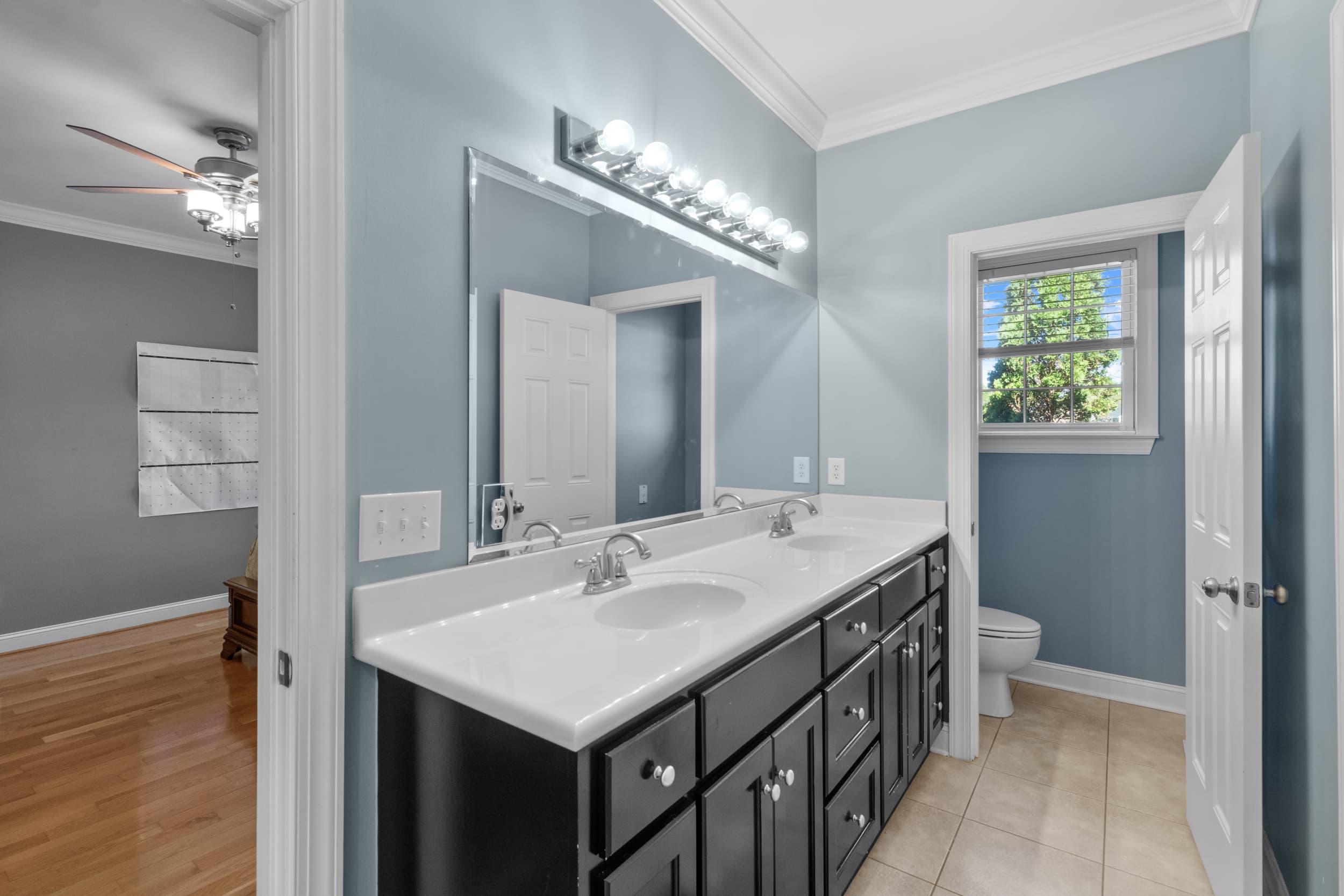
Yes. An eligible Veteran, service member, or qualifying surviving spouse may be able to buy a duplex with a VA loan, as long as the property will be used as their primary residence. This is one of the most overlooked parts of the VA loan benefit. VA purchase loan guidance says qualified borrowers can use a VA-backed purchase loan to buy a single-family home with up to four units, and one of the eligibility requirements is that the borrower will live in the home being purchased. (Veterans Affairs) That means a duplex, triplex, or fourplex may be possible with VA financing if the buyer lives in one of the units and meets VA and lender requirements. For buyers who are interested in real estate investing, this can be a powerful starting point. You are not using the VA loan to buy a pure rental property. You are using it to buy your primary residence, while the extra unit or units may create rental income. That strategy is often called house hacking. What Is VA Loan House Hacking? House hacking with a VA loan usually means buying a small multifamily property, living in one unit, and renting out the other unit or units. For example: Buy a duplex, live in one side, rent out the other. Buy a triplex, live in one unit, rent out two. Buy a fourplex, live in one unit, rent out three. The goal is simple: use rental income from the other units to help offset the cost of owning the property. That rent may not cover the entire mortgage, and it should never be treated as guaranteed income. But when the numbers work, it can reduce the owner’s monthly housing cost, build equity, and create a path into long-term real estate ownership. For military buyers, this can be especially useful during a PCS-heavy career. A buyer may purchase a primary residence at one duty station, live in it, then later evaluate whether it makes sense to sell or keep the property as a rental after moving. That decision depends on the property, loan terms, rent, cash reserves, management plan, and future financing options. Salt & Soil Realty Group is a real estate brokerage, not the VA, a lender, or a legal advisor. This post is educational; confirm entitlement, loan limits, and occupancy rules with official VA and lender guidance. Also see **coastal NC home buyer guide, **buying a house guide, and how much income to afford a house in Jacksonville NC. Carroll Harrod with Salt & Soil Realty Group helps buyers in **Jacksonville, NC** and Coastal North Carolina compare neighborhoods, financing, and due diligence before closing. ---
A VA Loan Is Still a Primary Residence Loan
The most important rule is occupancy. A VA loan is not meant for buying an investment property that the borrower never plans to occupy. VA says a borrower must live in the home being bought with the VA-backed purchase loan. (Veterans Affairs) So the question is not, “Can I use a VA loan to buy a rental property?”
The better question is, “Can I use a VA loan to buy a primary residence that also has rental units?”
That answer is yes, if the property qualifies, the borrower qualifies, and the lender approves the loan. Can You Rent Out the Other Side of a VA financed Duplex? Yes, in the normal owner-occupied duplex scenario, the buyer lives in one unit and may rent out the other unit. The same concept can apply to a triplex or fourplex. The borrower occupies one unit as a primary residence, and the remaining unit or units may be rented. That is what makes the strategy attractive. The property is still your home, but it can also function as a small income-producing asset. The practical side matters, though. Before counting on rent, buyers should look closely at: realistic market rent current leases, if tenants are already in place utility setup insurance costs likely repairs vacancy risk tenant turnover property management needs maintenance reserves A duplex can look good on paper and still be a poor purchase if the rent is inflated, the condition is weak, or the repair costs are heavier than expected.
Why a VA financed Duplex Can Be a Strong First Investment
For an eligible buyer, a VA loan can make a duplex purchase more accessible than many conventional investment-property loans. VA-backed purchase loans may offer no down payment as long as the sales price is not higher than the appraised value, and VA loans do not require private mortgage insurance. (Veterans Affairs) That can matter because traditional investment-property financing often requires a larger down payment. With a VA owner-occupied duplex, the buyer may be able to start with a smaller cash requirement while still buying a property that has rental-income potential. The long-term benefit is not just the first purchase. If the owner later moves, that duplex may become a rental property. Over time, rental income, principal paydown, and appreciation may help support future purchases. That is why some military real estate investors use VA financing more than once over the course of a career. They buy a primary residence, live in it, move when life or orders require it, and then decide whether keeping the property makes financial sense.
The Numbers Still Have to Work
A VA loan can help you get into the property. It does not automatically make the property a good investment. Before buying a duplex with a VA loan, buyers should run the numbers carefully. A strong analysis should include: principal, interest, taxes, and insurance VA funding fee, if applicable estimated rent from the other unit maintenance and repairs vacancy allowance utilities paid by the owner lawn care or exterior upkeep property management, if needed future capital expenses, such as roof, HVAC, or plumbing work
cash reserves
It is also worth asking a simple stress-test question: Could you still afford the property if the other unit sat vacant for a month or two? That question is especially important for buyers using a low or zero down payment. The lower upfront cash requirement can be helpful, but it should not replace a maintenance reserve. Can Rental Income Help You Qualify for the Loan? Possibly, but this is lender-specific and documentation matters. Some lenders may consider rental income from the additional unit or units when evaluating the borrower’s ability to repay the loan. But buyers should not assume that projected rent will count dollar-for-dollar. A lender may want to review existing leases, market rent, property history, reserves, landlord experience, or other documentation. The lender still has to approve the borrower based on income, debts, credit, assets, property value, and VA requirements. VA notes that borrowers must meet both VA and lender standards for credit, income, and other requirements. (Veterans Affairs) The best step is to talk with a VA-experienced lender before shopping for duplexes. A lender who understands owner-occupied multifamily purchases can explain what income may count, what reserves may be needed, and what price range is realistic.
The VA Appraisal Is Not the Same as an Inspection
A duplex, triplex, or fourplex should be inspected carefully. VA’s home-buying guidance says VA strongly recommends getting a home inspection to check for major defects. VA also explains that a VA-approved appraiser will appraise the property to make sure it meets basic property condition requirements, known as minimum property requirements, and provide an opinion of value. VA also makes clear that an appraisal is not the same as an inspection. (Veterans Affairs) That distinction matters even more with a duplex. A buyer is not just checking one kitchen, one HVAC system, one electrical setup, or one tenant space. Depending on the property, there may be multiple systems, multiple entrances, separate meters, shared utilities, older repairs, leases, tenant deposits, or maintenance issues that are not obvious during a showing.
What to Review Before Buying a Duplex With a VA Loan
A VA-financed duplex purchase should include both normal homebuyer due diligence and investment-property due diligence. Important questions include: Does the property meet VA and lender requirements? Will the buyer occupy one unit as a primary residence? Are any units currently rented? Are there written leases? What rent is actually being collected? Are utilities separately metered or shared? Who pays water, sewer, electric, trash, and lawn care? What repairs are needed now? What larger repairs may be coming soon? Is the property properly zoned or legally used as a duplex? Is there adequate parking and access? Are there flood, drainage, or insurance concerns? What would the property likely rent for if one unit became vacant? Would the property still work if the buyer had to PCS sooner than expected? For buyers in Jacksonville, Onslow County, and the surrounding Coastal North Carolina market, property condition, insurance, flood considerations where relevant, and rental logistics can all affect whether a duplex is a smart long-term hold.
Do Not Forget the VA Funding Fee and Closing Costs
Many VA borrowers pay a VA funding fee unless they qualify for an exemption. VA describes the funding fee as a one-time payment that helps lower the cost of the program because VA loans do not require down payments or monthly mortgage insurance. (Veterans Affairs) VA says the funding fee can either be paid at closing or included in the loan and paid over time. On a VA purchase or construction/permanent loan, VA says the funding fee is the only closing cost that can be financed into the loan amount. (Veterans Affairs) That matters for duplex buyers because a low down payment does not mean there are no costs. Buyers should still plan for inspections, appraisal, closing costs, reserves, moving expenses, and any immediate repairs after closing. Can You Buy a Duplex With a VA Loan More Than Once? Possibly. VA says borrowers may use the VA loan benefit again if they sell or refinance a home bought with a VA-backed loan. (Veterans Affairs) VA also explains that full entitlement means the borrower does not have a VA loan limit as long as the borrower can afford the loan and the appraisal supports the purchase price, though lender approval is still required. (Veterans Affairs) For military buyers, this is where the duplex strategy can become part of a larger plan. A buyer might purchase a duplex with a VA loan, live in one unit, later move, and then decide whether to sell or keep the property as a rental. If they keep it, future VA use will depend on remaining entitlement, lender approval, affordability, and the next property. If they sell or refinance, entitlement may be restored depending on the situation. This is not something to guess on. A buyer should review the Certificate of Eligibility, current loan balance, entitlement, and next purchase plan with a lender before assuming they can or cannot use VA financing again.
When Buying a Duplex With a VA Loan Makes Sense
A VA-financed duplex can make sense when the buyer wants a primary residence, is comfortable being close to the rental side of ownership, and has a realistic plan for expenses. It may be a good fit when:
the property is in solid condition
the rent numbers are realistic
the buyer can afford the payment even with vacancy
the location supports future rental demand
the buyer has cash reserves after closing
the buyer is comfortable handling landlord responsibilities
the property still makes sense if orders or life plans change
It may not be a good fit when the buyer is stretching too far financially, relying on optimistic rent projections, ignoring repairs, or treating the property like a passive investment. A duplex is still a home. It is also a small rental business. Both sides of that decision need to make sense. Local Guidance for Eastern North Carolina VA Buyers In Jacksonville, Onslow County, and nearby Coastal North Carolina markets, VA financing is common enough that many sellers, lenders, and agents are familiar with the basics. But a duplex purchase is still more complex than a standard single-family home. The buyer needs to evaluate the property as a residence and as a potential rental. That means looking beyond the monthly payment and thinking through leases, condition, insurance, repairs, rent, long-term ownership, and what happens during the next move. For buyers comparing duplex, triplex, or fourplex options in Eastern North Carolina, Salt & Soil Realty Group can help identify the property-specific questions that matter before writing an offer. Carroll Harrod can help you think through the real estate side of the decision so the purchase fits both your current housing need and your longer-term plan. Bottom Line You can buy a duplex with a VA loan if you are eligible, qualify with a lender, and live in one of the units as your primary residence. VA purchase loan guidance allows qualified borrowers to buy a home with up to four units, which means a duplex, triplex, or fourplex may be possible. (Veterans Affairs) Used carefully, this can be one of the most practical ways to begin real estate investing with a VA loan. The key is to remember that the property still has to work as a home, as a loan file, and as a long-term ownership decision.
Frequently Asked Questions
Can I buy a duplex with a VA loan?
Yes. VA guidance says qualified borrowers can use a VA-backed purchase loan to buy a single-family home with up to four units, as long as they meet VA and lender requirements and live in the home they are buying. (Veterans Affairs)
Yes, if you live in one unit as your primary residence, the other unit may generally be rented. The VA loan is being used for your primary residence, not for a pure investment property.
Yes, a triplex or fourplex may be possible because VA-backed purchase loans can be used for homes with up to four units. The borrower still has to occupy the property and qualify with the lender. (Veterans Affairs)
Not always. VA-backed purchase loans may offer no down payment as long as the sales price is not higher than the appraised value. The borrower still needs lender approval and should budget for closing costs, inspections, reserves, and repairs. (Veterans Affairs)
It can be, but only if the numbers work. Rent, vacancy, repairs, insurance, taxes, financing, and long-term management all matter. A VA loan can make the purchase more accessible, but it does not guarantee that the property is a strong investment. Research References U.S. Department of Veterans Affairs: VA-backed purchase loan guidance. (Veterans Affairs) U.S. Department of Veterans Affairs: Buying a home with a VA-backed loan. (Veterans Affairs) U.S. Department of Veterans Affairs: VA funding fee and loan closing costs. (Veterans Affairs) U.S. Department of Veterans Affairs: VA home loan entitlement and limits. (Veterans Affairs) --- Questions about buying in Jacksonville, NC or Coastal North Carolina? Contact Salt & Soil Realty Group.