
Neighborhood guide
Sandy Ridge Surf City NC Neighborhood Guide
Surf City, Onslow County
Last updated: May 18, 2026
Location
Sandy Ridge is a named Surf City, NC subdivision on the island side of town.
Housing
Barrier-island inventory varies by age, HOA or condo structure, and water orientation—review deeds, insurance, and ownership type on each listing.
Coastal note
Flood, wind, and water-access rules apply on Topsail—verify elevation certificates, master policies, and any deeded beach or dock rights.
Sandy Ridge is a named Surf City, NC subdivision on the island side of town. Pender County GIS includes “SANDY RIDGE” in its subdivision layer, and current property data for 33 Sandy Lane identifies the source neighborhood and subdivision as Sandy Ridge, with the property location listed as “Island.” (Pender County GIS)
For buyers comparing Surf City island neighborhoods, Sandy Ridge is best understood as a small beach-market neighborhood where the property-level details matter. The key questions are not just whether a home is near the beach, but how the exact property handles access, parking, elevation, insurance, condition, rental use, and long-term coastal maintenance.
For more context, see the Surf City area guide and Onslow County. The coastal NC home buyer guide and flood zones and coastal home buying cover barrier-island due diligence on Topsail.
What Sandy Ridge Feels Like
Sandy Ridge has a tucked-away island setting near Sandy Lane and Ridge street names such as West Ridge, East Ridge, and North Ridge. Nearby property examples tied to Sandy Ridge include Sandy Lane, West Ridge, East Ridge, and North Ridge addresses, which gives the neighborhood a compact interior-island feel rather than the scale of a large planned subdivision. (Realtor)
A current 33 Sandy Lane listing gives directions as two miles south of the Surf City Bridge, then right onto Sandy Lane, placing the neighborhood in the south-island access pattern. (Realtor)
Housing and Property Character
Sandy Ridge is primarily a single-family residential neighborhood. A current property example at 33 Sandy Lane is listed as a single-family residence with 2,289 square feet, a 2019 build year, vinyl siding, wood-frame construction, and R-15 zoning. (Realtor) Another current Sandy Lane example at 24 Sandy Lane is listed as a single-family home built in 2005 with a two-car garage. (Realtor)
Because Sandy Ridge includes homes of different ages, sizes, and lot positions, buyers should evaluate each property individually. Important review points include:
-
flood zone and elevation certificate
-
wind/hail and flood insurance quotes
-
roof, siding, windows, decks, stairs, railings, HVAC, and exterior condition
-
parking layout, garage space, and storage
-
beach-access route and parking expectations
-
rental rules, if short-term or seasonal rental use is part of the plan
-
any private-road, access, easement, or maintenance obligations tied to the property
HOA and Ownership Considerations
At least one current Sandy Ridge property example lists no association and calculated monthly association fees of $0. (Realtor) That is useful context, but buyers should still verify the current documents for the exact property. In small beach neighborhoods, ownership obligations can come from recorded easements, maintenance agreements, access language, rental restrictions, or local rules even when a traditional HOA is not obvious.
Island, Beach, and Access Context
Sandy Ridge sits in Surf City’s island-side beach market, where buyers often compare interior island homes, South Shore Drive-area homes, beach-access properties, and mainland alternatives. Surf City maintains multiple public beach accesses along South Shore Drive, including access points at 1034, 1138A, 1316, 1526, 1600, 1700, 1800, 1900, 2000, 2100, 2200, 2318, 2328, 2410A, 2808, and 3016 South Shore Drive. (Surf City)
Beach access should still be verified carefully. A nearby public access does not automatically mean deeded beach access, private beach access, reserved parking, or a transferable right. Surf City also states that visitors staying in town from March 1 through October 31 must pay to park in Surf City parking lots from 9:00 a.m. to 6:00 p.m. (Surf City)
Flood, Insurance, and Coastal Due Diligence
Sandy Ridge should be evaluated with coastal due diligence in mind because it is on the island side of Surf City. Surf City directs buyers and owners to NC Floodplain Mapping resources, explains that FEMA Flood Insurance Rate Maps identify Special Flood Hazard Areas, and notes that structures in those areas have a 26% chance of flooding during the life of a standard 30-year mortgage. (Surf City)
Surf City also states that new building construction in a regulated flood zone requires an elevation certificate and that the town has a two-foot freeboard requirement above base flood elevation. (Surf City) For coastal work, Surf City notes that North Carolina requires a CAMA permit for areas near coastal waters and that a town building or zoning permit is still required even if a CAMA permit is obtained. (Surf City)
Buyer Considerations in Sandy Ridge
Sandy Ridge can be a strong comparison point for buyers who want an island-side Surf City setting without focusing only on oceanfront property. Before writing an offer, review:
-
flood zone, elevation certificate, and insurance quotes
-
roof, siding, windows, decks, stairs, pilings, railings, and HVAC condition
-
beach-access route and whether access is public, deeded, private, or simply nearby
-
parking, garage layout, storage, and guest-use logistics
-
rental rules under town, insurance, lender, and any recorded-property requirements
-
zoning, setbacks, CAMA, and permit requirements for future improvements
-
whether any road, drainage, access, or maintenance agreement applies
Seller Considerations in Sandy Ridge
For sellers, the strongest marketing should come from verified property-level details. In Sandy Ridge, that may include documented updates, elevation information, insurance history, parking layout, garage space, outdoor living areas, beach-access route, views, rental history where allowed, and recent work on coastal-exposed systems.
Because Sandy Ridge is a smaller island neighborhood, pricing should be handled carefully. A strong comparison set may include other Surf City island-side homes with similar age, condition, elevation, parking, access logistics, lot size, and insurance profile.
Bottom Line
Sandy Ridge is a small island-side Surf City neighborhood with beach-market appeal, single-family homes, and important coastal ownership considerations. The right evaluation goes beyond the neighborhood name and focuses on the exact property: access, elevation, insurance, condition, parking, rental rules, and long-term maintenance.
Salt & Soil Realty Group can pull current listings and comps for Sandy Ridge and help you weigh how it fits your move on Topsail Island.
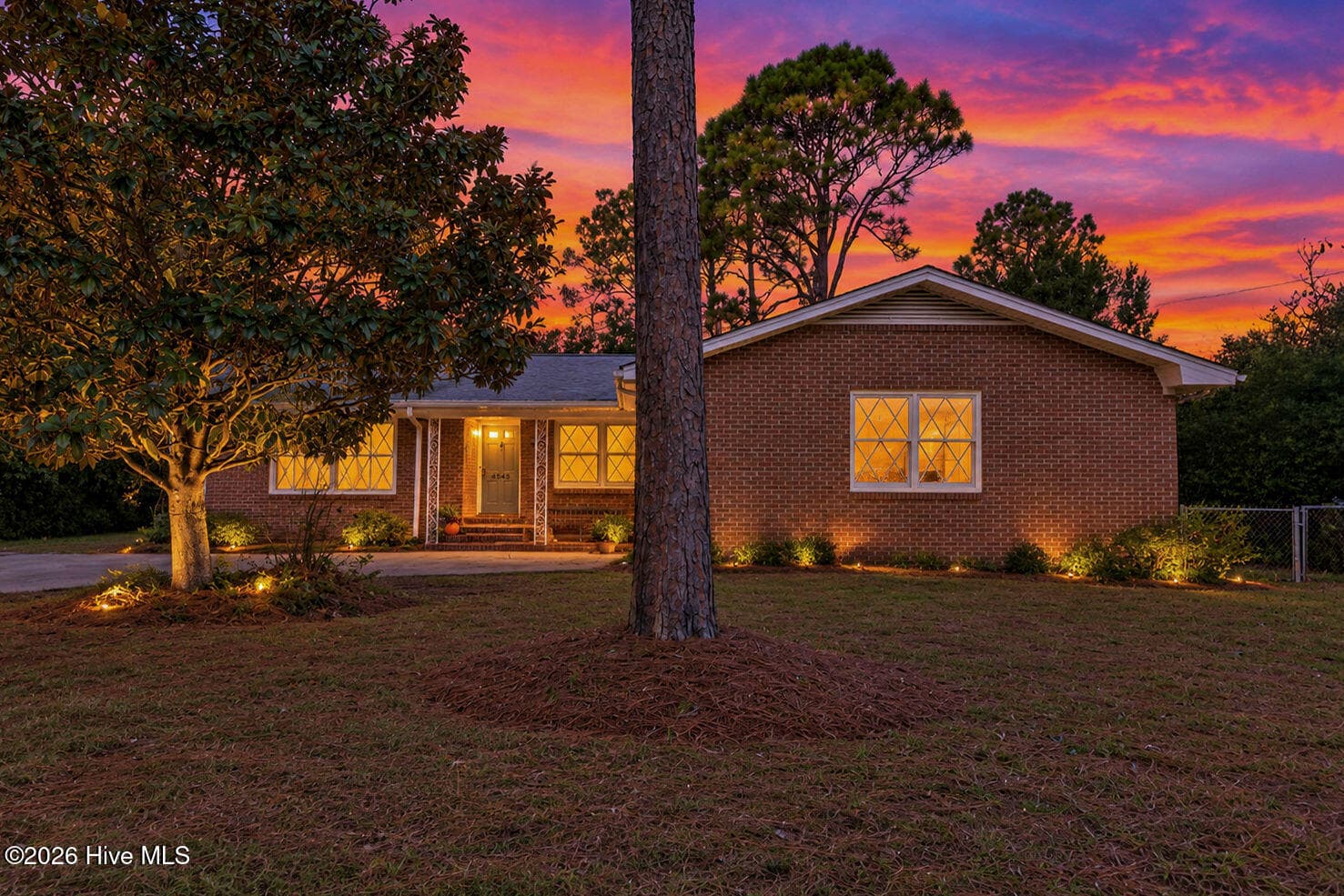
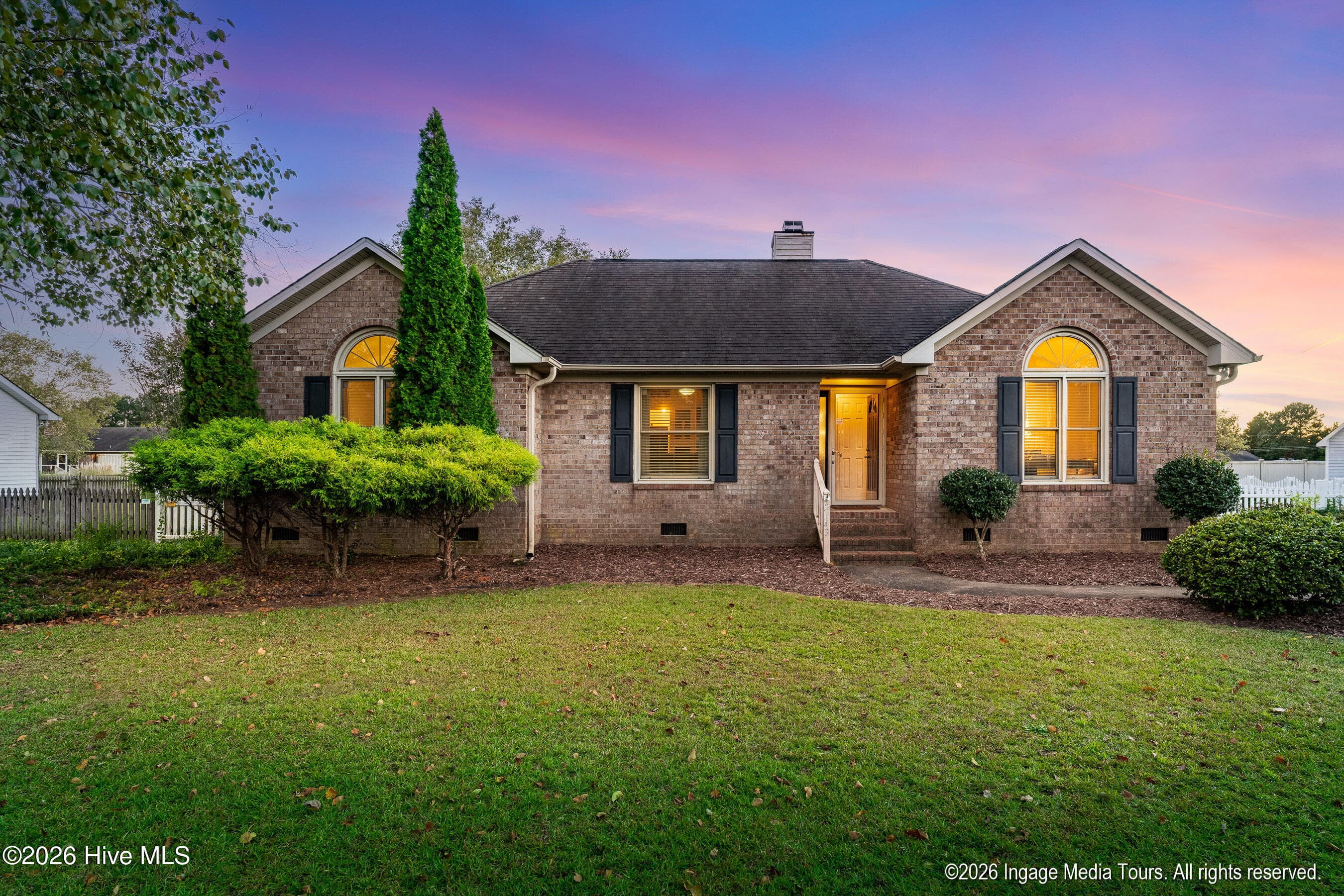
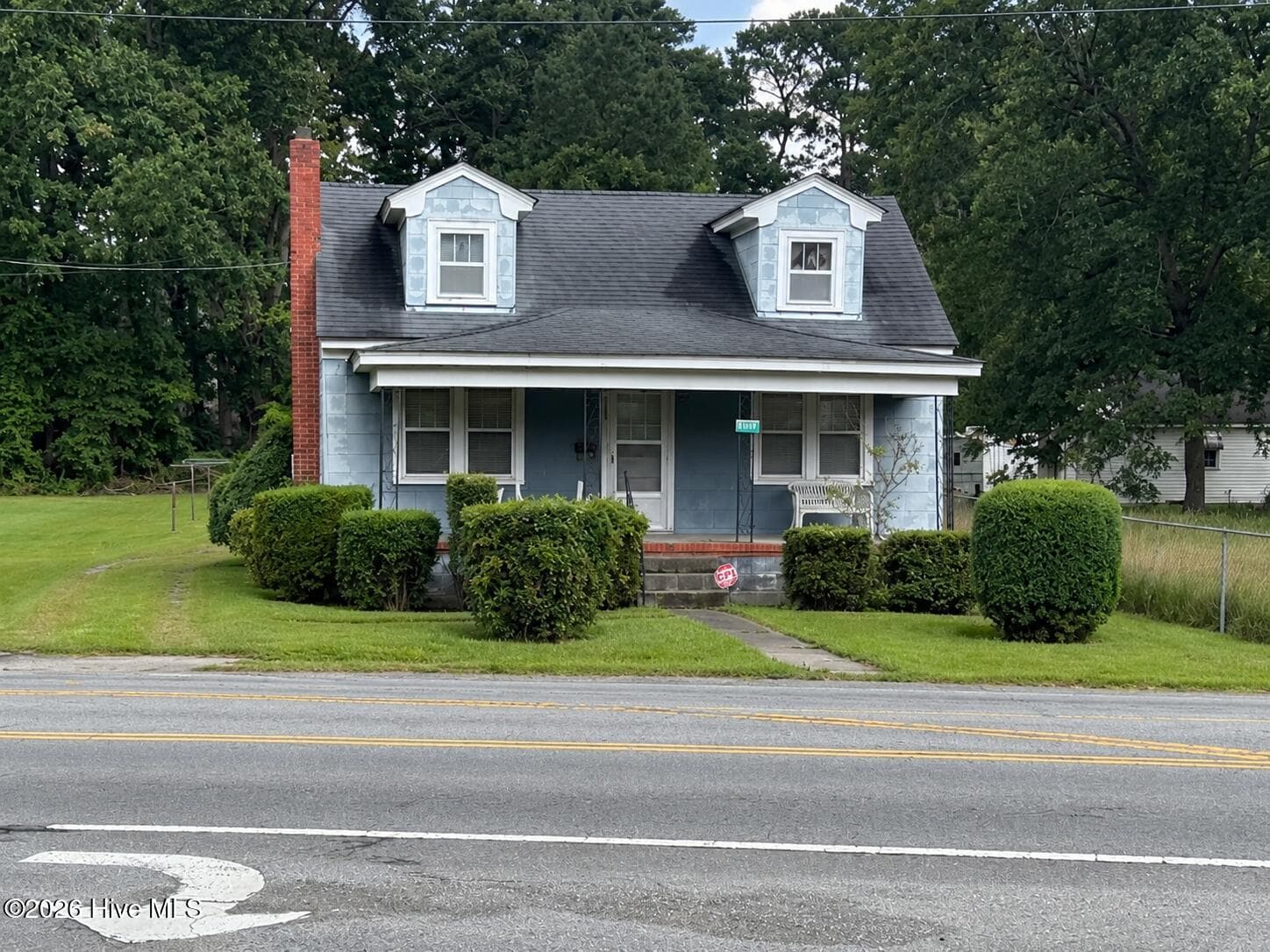
Newest homes for sale
Three of the most recent listings across coastal Carolina.
Frequently Asked Questions
Is Sandy Ridge in Surf City, NC?
Yes. Pender County GIS includes “SANDY RIDGE” in its subdivision layer, and current property data for Sandy Lane identifies Sandy Ridge as both the source neighborhood and subdivision. (Pender County GIS)
Available property data for 33 Sandy Lane lists the property location as “Island,” and the listing directions place the neighborhood south of the Surf City Bridge off Sandy Lane. (Realtor)
Sandy Ridge is primarily a single-family residential neighborhood. Current examples include single-family homes on Sandy Lane with different build years, sizes, garages, and coastal-home features. (Realtor)
At least one current property example lists no association and $0 calculated monthly association fees. Buyers should still verify the current documents for the exact property before assuming there are no private maintenance, access, rental, or recorded-use obligations. (Realtor)
Buyers should verify flood zone, elevation certificate, insurance quotes, parking, beach-access route, rental rules, zoning, CAMA or town permitting requirements, and the condition of coastal-exposed features such as roofs, siding, windows, decks, stairs, railings, HVAC, and foundations.