
Neighborhood guide
New Topsail Beach NC Neighborhood Guide
Surf City, Onslow County
Last updated: May 18, 2026
Location
New Topsail Beach is a historic Topsail Island name most closely associated with the Town of Topsail Beach and the southern portion of the island.
Housing
Barrier-island inventory varies by age, HOA or condo structure, and water orientation—review deeds, insurance, and ownership type on each listing.
Coastal note
Flood, wind, and water-access rules apply on Topsail—verify elevation certificates, master policies, and any deeded beach or dock rights.
New Topsail Beach is a historic Topsail Island name most closely associated with the Town of Topsail Beach and the southern portion of the island. The Town of Topsail Beach’s own history notes that J.G. Anderson developed the southernmost end of the island and named it New Topsail Beach. (Topsail Beach)
For modern real estate searches, New Topsail Beach also appears as a subdivision or source-neighborhood name in property records across Topsail Beach, with examples on streets such as South Anderson Boulevard, North Anderson Boulevard, Ocean Boulevard, Channel Boulevard, Carolina Boulevard, and McLeod Avenue. Several current property records identify the location as “Island” and the subdivision as “New Topsail Beach.” (Realtor)
For more context, see the Surf City area guide and Onslow County. The coastal NC home buyer guide and flood zones and coastal home buying cover barrier-island due diligence on Topsail.
What New Topsail Beach Feels Like
New Topsail Beach is not a gated subdivision or a uniform new-construction community. It is better understood as an established island-area designation tied to the older Topsail Beach side of Topsail Island.
The area includes a mix of beach cottages, renovated homes, newer elevated homes, residential lots, and occasional commercial or mixed-use real estate depending on the exact location. Because the name can appear across different property types and streets, buyers should evaluate each property individually rather than assuming a single HOA structure, amenity package, or beach-access right.
Housing and Property Character
Property examples tied to New Topsail Beach include single-family homes, townhome-style properties, and vacant residential land. Current records show homes from different eras, including a 1959 example on North Anderson Boulevard, a 1966 example on South Anderson Boulevard, a 1973 example on Channel Boulevard, and more recent construction examples such as a 2012 home on South Anderson Boulevard. (Zillow)
That variety matters. In New Topsail Beach, condition, elevation, lot position, parking, views, flood zone, insurance, and permitted improvements can influence value as much as bedroom count or square footage.
Key property-level review points include:
-
flood zone and elevation certificate
-
roof, siding, windows, decks, stairs, railings, pilings, and HVAC condition
-
parking layout and driveway access
-
septic or sewer details, where applicable
-
zoning and setback requirements
-
rental rules and town compliance
-
beach, sound, or canal access rights, if claimed
Beach, Sound, and Access Context
New Topsail Beach sits in the Topsail Beach / Topsail Island market, where properties may be oriented toward the ocean side, sound side, canal side, or interior island streets. Public access should be reviewed carefully. The Town of Topsail Beach maintains a public access and parking resource for beach and sound accesses, including amenities at each location. (Topsail Beach)
Nearby access does not automatically mean deeded access, private beach access, reserved parking, or transferable rights. Buyers should confirm whether any access is public, deeded, HOA-controlled, easement-based, or simply nearby.
Parking also deserves attention. Topsail Beach has paid parking rules for public beach access areas, with town-published information for rates and resident/property-owner permits. (Topsail Beach)
Flood, Insurance, and Coastal Due Diligence
New Topsail Beach is in a barrier-island coastal setting, so flood and insurance review should happen early in the buying process. The Town of Topsail Beach’s flood materials describe wind-driven surge from the Atlantic Ocean as the dominant source of flooding and note that most properties seaward of Topsail Beach are in coastal AE zones. (Topsail Beach)
Buyers should verify the current flood zone, elevation certificate, flood insurance requirements, wind/hail insurance, lender requirements, and any history of storm-related repairs. For federally backed mortgages, flood insurance can be mandatory for buildings located in Special Flood Hazard Areas. (Topsail Beach)
CAMA and local permitting may also matter for ocean-side, sound-side, dune, dock, deck, addition, rebuild, grading, or shoreline-related work. The Town of Topsail Beach directs owners to the CAMA Handbook for ocean- and sound-side projects and provides a local CAMA contact through its Community Development page. (Topsail Beach)
Buyer Considerations in New Topsail Beach
New Topsail Beach can be a strong comparison point for buyers looking at the more established Topsail Beach side of the island. Before writing an offer, review:
-
whether the property is ocean-side, sound-side, canal-side, or interior
-
whether beach or sound access is deeded, public, private, or simply nearby
-
flood zone, elevation certificate, and insurance quotes
-
zoning, setbacks, CAMA, and permitting limitations
-
parking, storage, outdoor showers, decks, and guest-use logistics
-
rental rules, if short-term or seasonal rental use is part of the plan
-
age and condition of coastal-exposed systems and materials
Seller Considerations in New Topsail Beach
For sellers, the strongest marketing usually comes from verified property-level details. In New Topsail Beach, that may include documented beach or sound access, elevation certificate, flood and wind/hail insurance history, recent exterior updates, parking layout, views, rental history where allowed, and permitted improvements.
Because the area includes different streets, property ages, lot positions, and water relationships, pricing should be handled carefully. A strong comparison set should account for condition, elevation, access, views, parking, zoning, rental viability, and whether the property is ocean-side, sound-side, or interior.
Bottom Line
New Topsail Beach is an established Topsail Island area name with deep local history and modern use as a subdivision or source-neighborhood label in Topsail Beach property records. It should not be treated as a single uniform development. The right property analysis depends on the exact address, lot position, access rights, elevation, insurance, condition, parking, zoning, and coastal permitting context.
If you are comparing New Topsail Beach with Surf City, South Topsail Drive areas, Topsail Beach neighborhoods, or mainland options, Carroll Harrod and Salt & Soil Realty Group can help you look beyond the listing photos and understand the coastal ownership details that matter.
Newest homes for sale
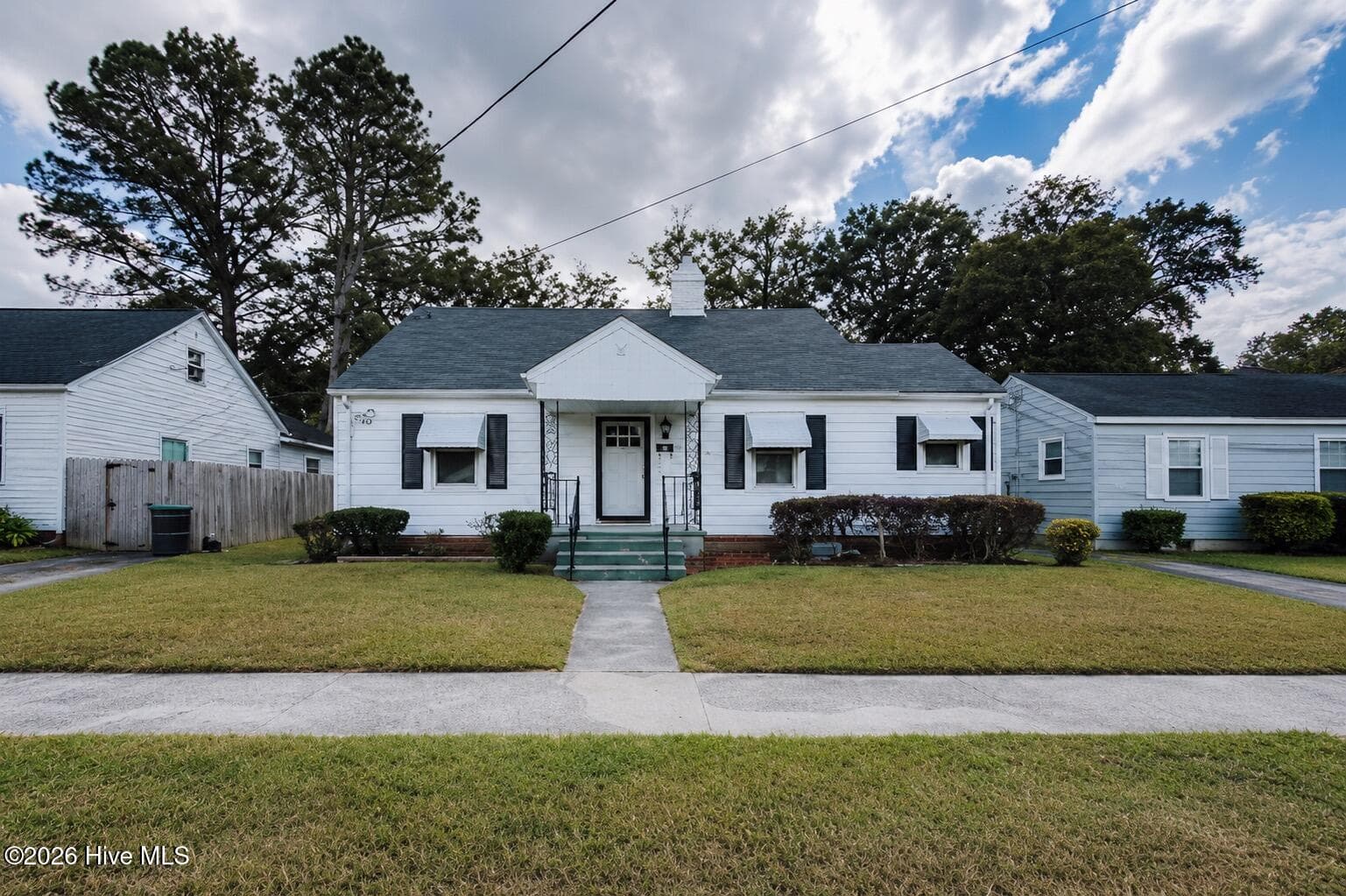
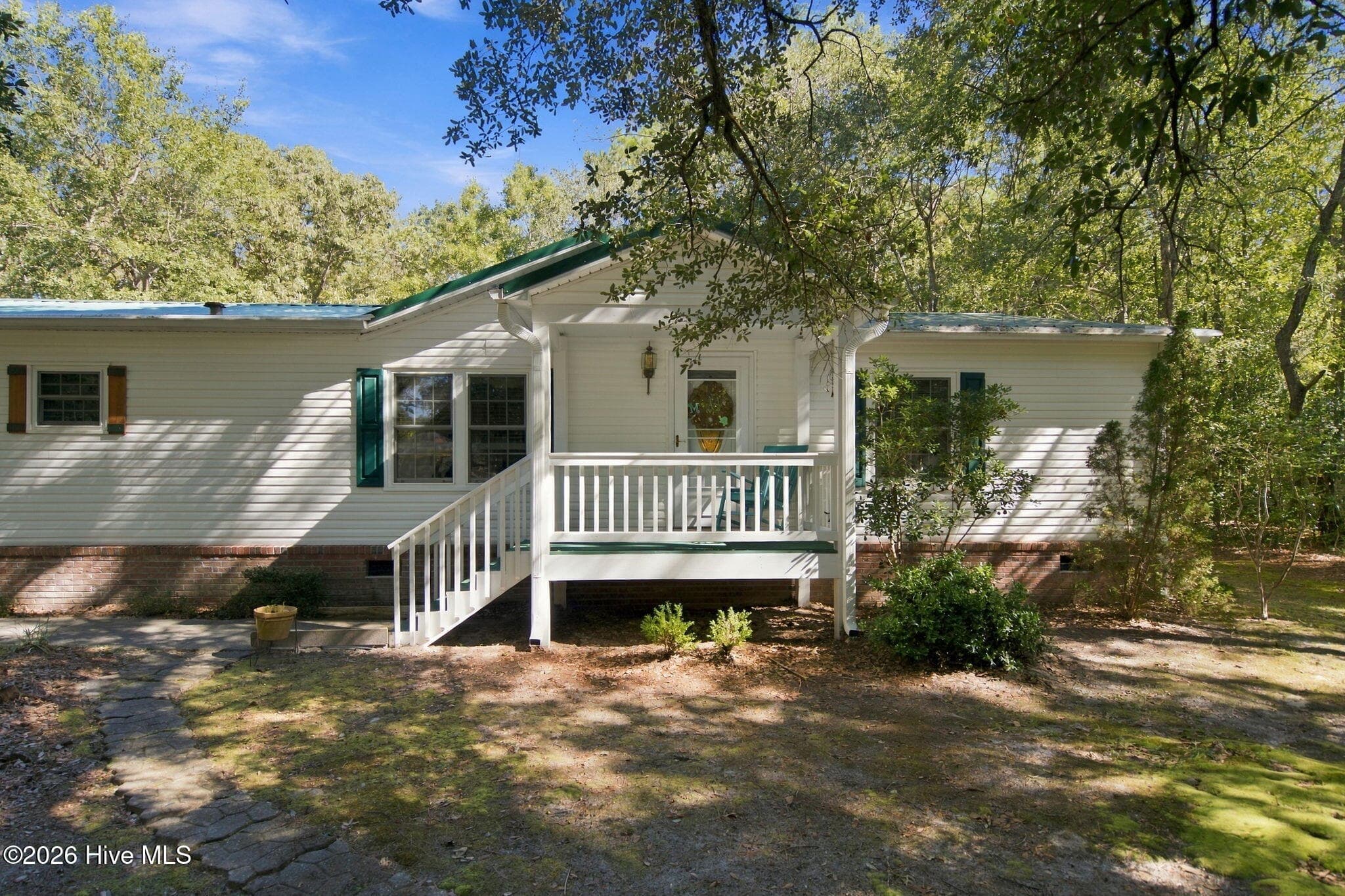
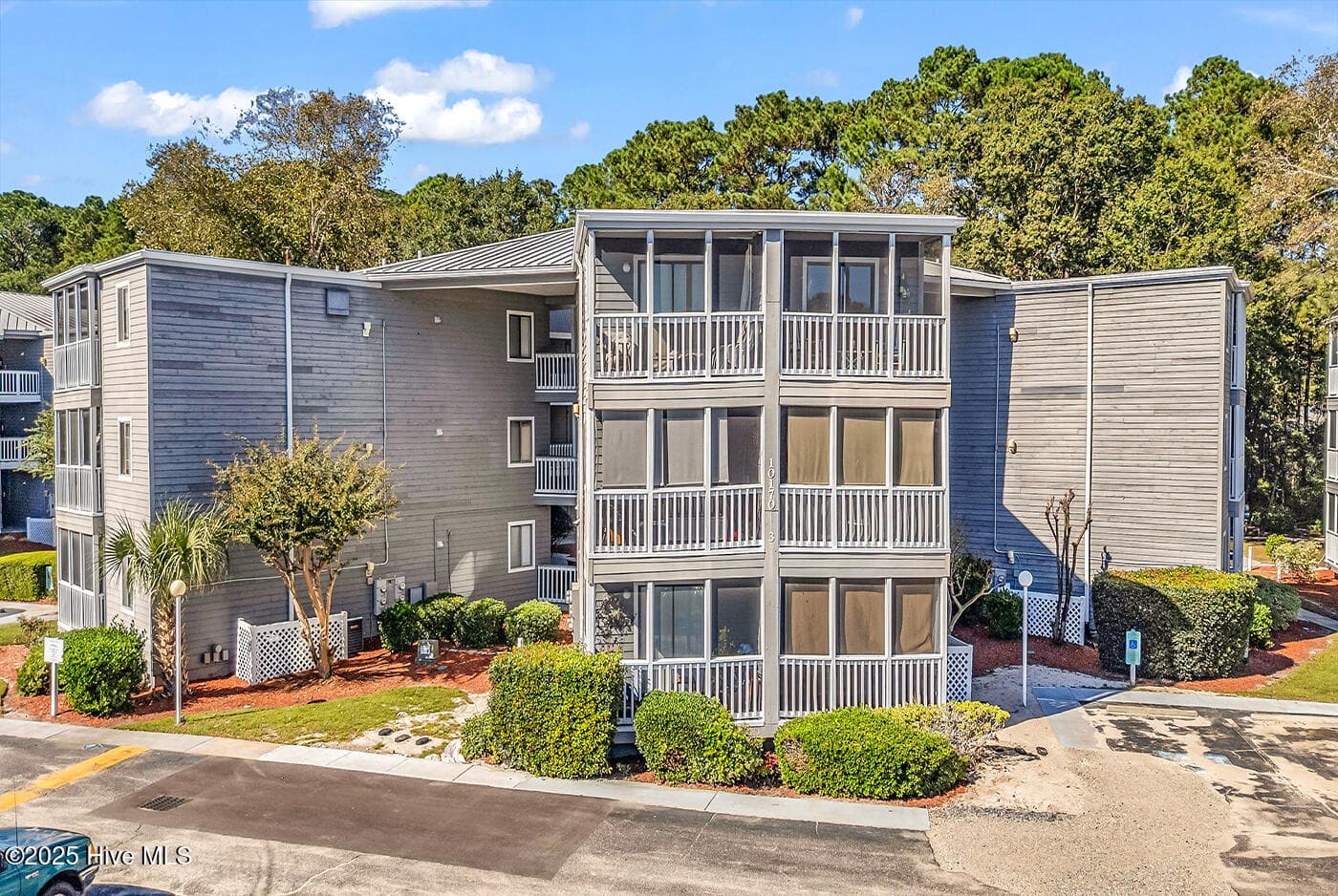
Three of the most recent listings across coastal Carolina.
Frequently Asked Questions
Is New Topsail Beach the same as Topsail Beach?
Not exactly. New Topsail Beach is a historic development name and modern subdivision/source-neighborhood label associated with properties in the Town of Topsail Beach. The town’s history notes that J.G. Anderson developed the southernmost end of the island and named it New Topsail Beach. (Topsail Beach)
Yes. Current property examples tied to New Topsail Beach identify the property location as “Island,” and the area is part of the Topsail Beach / Topsail Island market. (Realtor)
Property examples include single-family homes, townhome-style properties, and residential lots. The housing stock varies by street, age, elevation, condition, and water orientation. (Zillow)
Do not assume one. At least one current property record tied to New Topsail Beach lists no HOA, but buyers should verify the documents for the exact property because rules can vary by parcel, building, street, or recorded agreement. (Zillow)
Buyers should verify flood zone, elevation certificate, insurance requirements, zoning, CAMA or town permitting needs, beach or sound access rights, parking, rental rules, and the condition of coastal-exposed features such as roofs, decks, stairs, siding, windows, HVAC, and pilings.