Neighborhood guide
Grady Moore Beach Surf City NC Neighborhood Guide
Surf City, Onslow County
Last updated: May 18, 2026
Location
Grady Moore Beach is an island-side Surf City, NC subdivision along the South Shore Drive side of Topsail Island.
Housing
Barrier-island inventory varies by age, HOA or condo structure, and water orientation—review deeds, insurance, and ownership type on each listing.
Coastal note
Flood, wind, and water-access rules apply on Topsail—verify elevation certificates, master policies, and any deeded beach or dock rights.
Grady Moore Beach is an island-side Surf City, NC subdivision along the South Shore Drive side of Topsail Island. Current property examples identify Grady Moore Beach as the source neighborhood and subdivision, with “Island” listed as the property location and R-5 shown as zoning for examples on South Shore Drive. (Realtor)
For more context, see the Surf City area guide and Onslow County. The coastal NC home buyer guide and flood zones and coastal home buying cover barrier-island due diligence on Topsail.
What Grady Moore Beach Feels Like
Grady Moore Beach has the feel of an established Surf City beach subdivision rather than a mainland planned community. The location is tied closely to South Shore Drive, the oceanfront side of Topsail Island, and the route south from the Surf City Bridge toward Topsail Beach.
This is the kind of neighborhood where the individual property matters more than a broad neighborhood label. A residential lot, second-row home, oceanfront home, or updated coastal house may each carry a different value profile depending on elevation, access, views, condition, parking, insurance, and documented property rights.
Housing and Property Character
Grady Moore Beach is primarily associated with single-family homes and residential lots. A 2116 South Shore Drive example identifies the property type as residential, the subtype as single-family residence, the subdivision as Grady Moore Beach, and total living area as 2,267 square feet. A nearby 2118 South Shore Drive example identifies the property type as land, the subtype as residential lot, and the subdivision as Grady Moore Beach. (Realtor)
Because the available examples include both existing homes and vacant residential lots, buyers should not assume every Grady Moore Beach property has the same structure, age, footprint, or rebuild potential. Important details may include:
-
oceanfront, second-row, or interior island position
-
elevation and flood zone
-
existing structure condition
-
potential rebuild or new-construction limitations
-
parking and storage
-
utility connections
-
beach-access documentation
-
insurance cost and availability
-
CAMA or coastal permitting considerations
Island location and access
Grady Moore Beach is on Topsail Island, south of the Surf City Bridge corridor. Property directions for South Shore Drive examples reference crossing into Surf City, taking the first exit at the traffic circle toward Topsail Beach, and continuing south on South Shore Drive. (Realtor)
That island-side position is a major part of the appeal, but it also changes the ownership conversation. Buyers should think through bridge movement, seasonal traffic, beach parking, storm preparation, re-entry logistics, and normal travel back toward mainland Surf City, Hampstead, Holly Ridge, Sneads Ferry, Jacksonville, and Wilmington-area destinations.
Beach Access and Public Parking Context
Grady Moore Beach sits near Surf City’s South Shore Drive public beach-access pattern. The Town of Surf City lists public beach accesses at 2000, 2100, 2200, 2318, and 2328 South Shore Drive, among other South Shore Drive locations. (Surf City)
For buyers, the important distinction is between nearby public access and legal property rights. A home or lot may be close to a public beach access, but that does not automatically mean it has deeded beach access, private access, assigned parking, or special rights beyond what transfers with the specific property.
Before relying on beach-access claims, buyers should verify the deed, survey, recorded plat, title work, and any easements or shared-access agreements.
Flood, Insurance, and Coastal Due Diligence
Grady Moore Beach should be evaluated with full island-side coastal due diligence. Surf City states that new building construction in a regulated flood zone requires an elevation certificate completed by a registered land surveyor or engineer, and the town has a two-foot freeboard requirement above base flood elevation. (Surf City)
Buyers should review:
-
current flood zone
-
elevation certificate availability
-
flood insurance quotes
-
wind and hail insurance
-
foundation and piling condition
-
roof, siding, windows, decks, stairs, and railings
-
drainage and dune or shoreline conditions
-
past permits and improvement history
-
future rebuild or renovation feasibility
CAMA review may also matter for coastal improvements. NC DEQ explains that CAMA development permits include major, general, and minor permits, and that single-family homes require minor permits when applicable coastal rules are triggered. (NC Department of Environmental Quality)
Buyer Considerations in Grady Moore Beach
Grady Moore Beach can be a strong option for buyers who want an island-side Surf City setting near South Shore Drive. The key is to compare the exact property, not just the subdivision name.
Before making an offer, buyers should review the survey, recorded plat, flood zone, elevation certificate, insurance quotes, utility status, beach-access documentation, rental rules if relevant, and any CAMA-related questions for new construction or improvements.
For vacant lots, the due diligence should go even deeper. Buildability, setbacks, flood elevation, septic or sewer connection, stormwater requirements, access, parking, and permitting can shape what is realistically possible.
Seller Considerations in Grady Moore Beach
Sellers in Grady Moore Beach should prepare documentation early. Buyers in this part of Surf City often want clarity on elevation, flood insurance, wind and hail coverage, beach access, parking, rental history where allowed, updates, storm protection, and maintenance history.
Strong listing preparation may include:
-
survey and recorded access information
-
elevation certificate, if available
-
current insurance details
-
permit and improvement records
-
roof, HVAC, window, deck, and exterior maintenance history
-
utility documentation
-
rental records, if relevant and permitted
-
clear explanation of parking and storage
The strongest marketing usually comes from verified property details rather than broad beach-market language.
Bottom Line
Grady Moore Beach is an island-side Surf City subdivision on the South Shore Drive side of Topsail Island, with residential lots and single-family homes in a coastal beach setting. Its value is property-specific: exact location, elevation, access, condition, parking, insurance, buildability, and documentation all matter.
Salt & Soil Realty Group tracks current listings and comps in Grady Moore Beach and can help you sort out how it fits your move on Topsail Island.
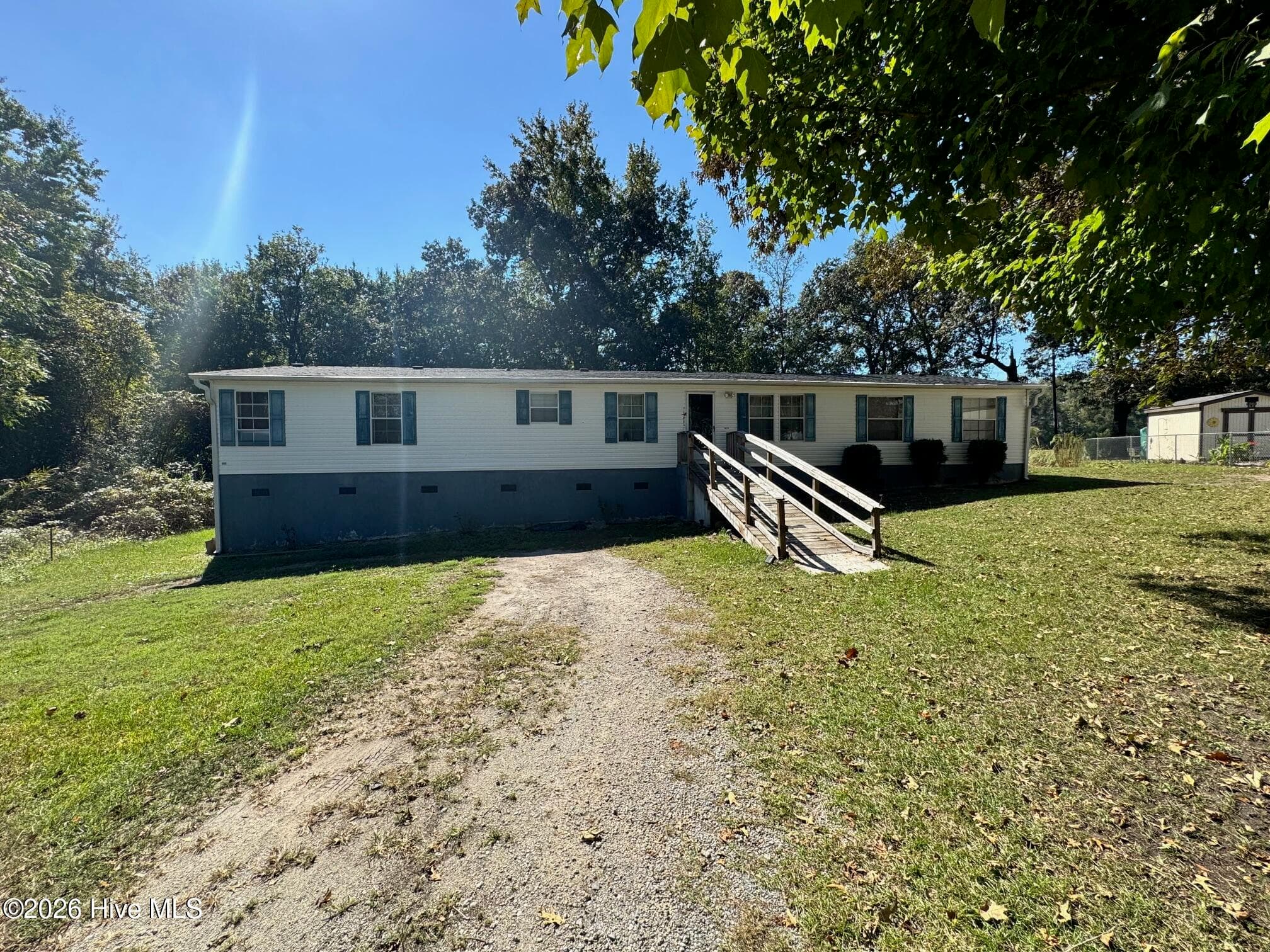
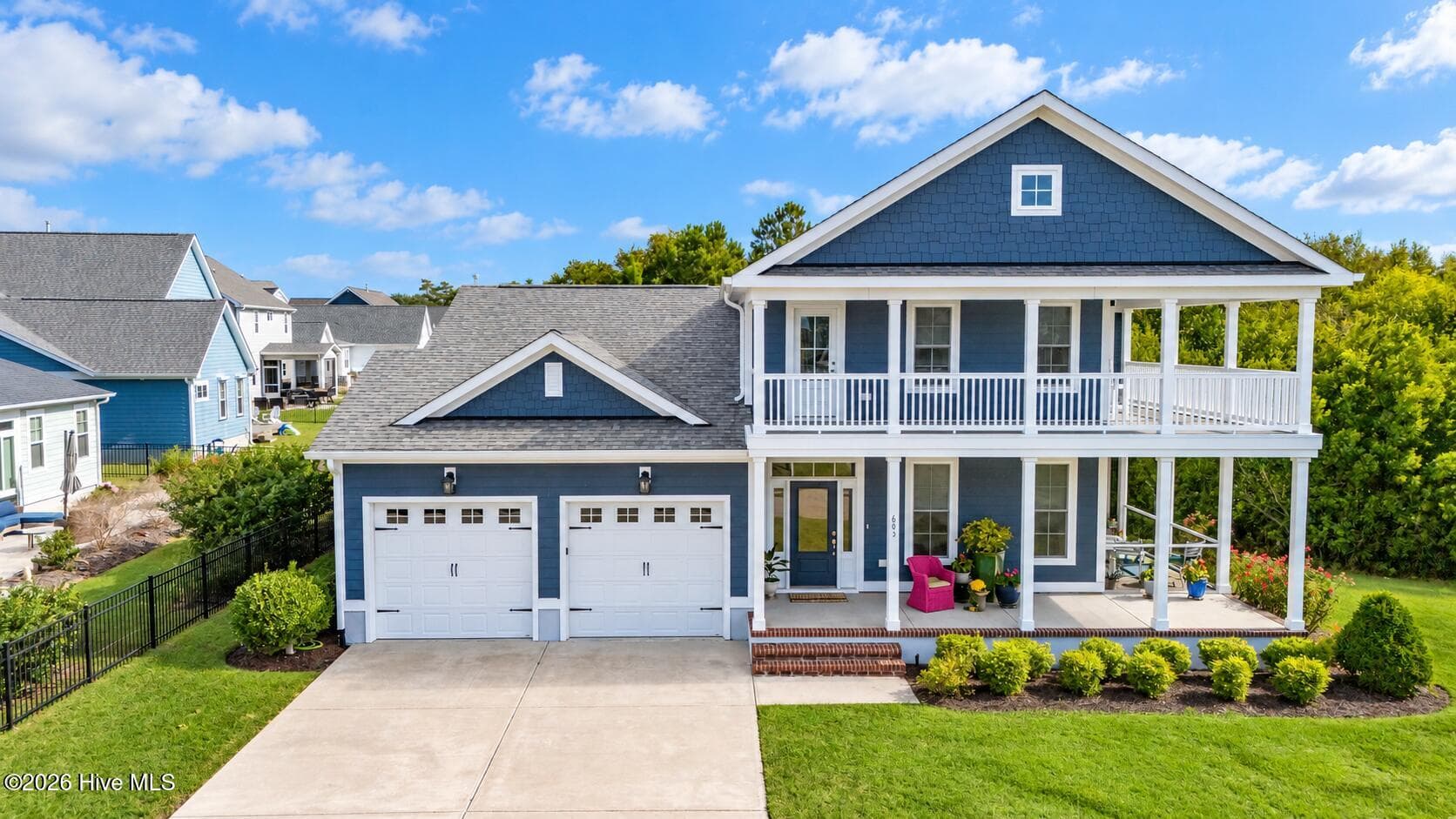
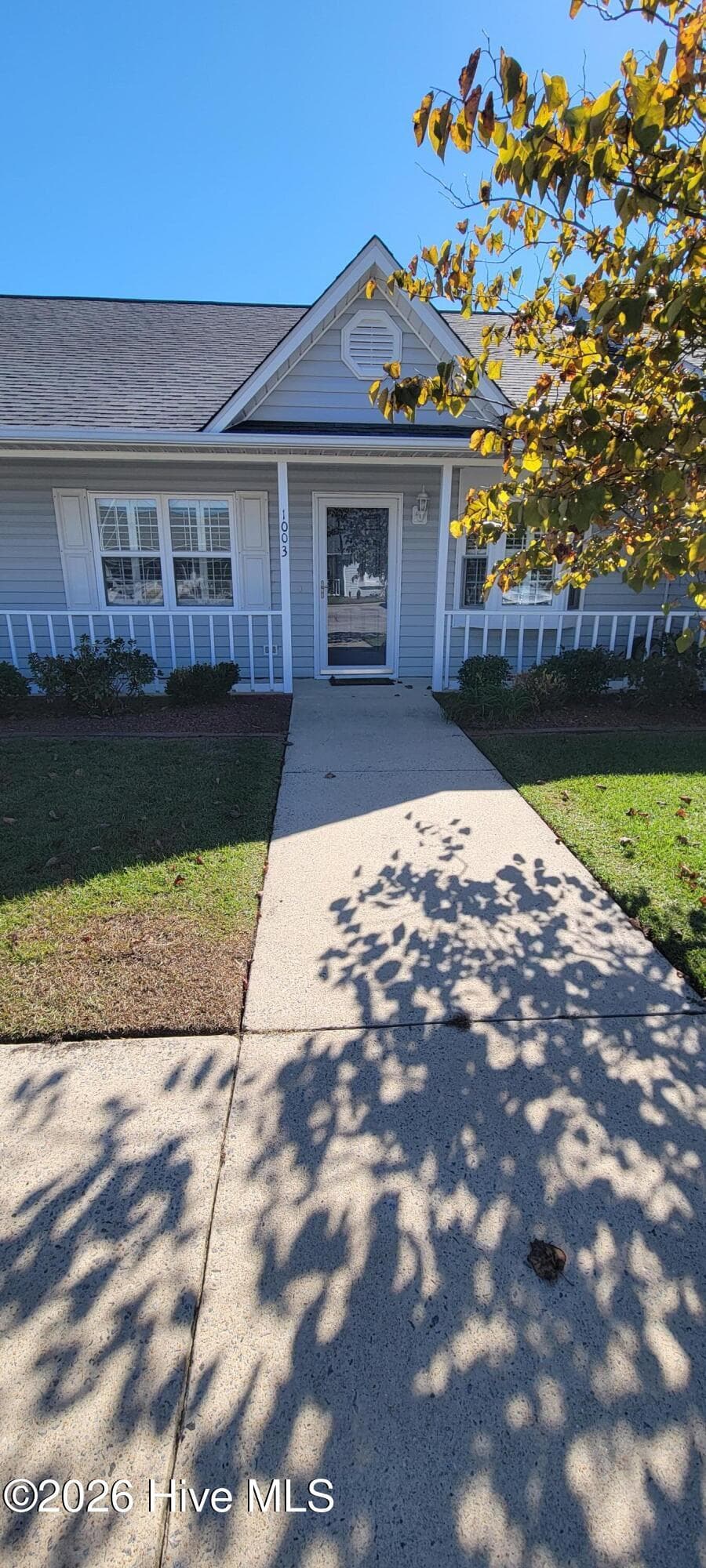
Newest homes for sale
Three of the most recent listings across coastal Carolina.
Frequently Asked Questions
Is Grady Moore Beach in Surf City, NC?
Yes. Current South Shore Drive property examples identify Grady Moore Beach as the source neighborhood and subdivision in Surf City, NC. (Realtor)
Yes. Property examples for Grady Moore Beach identify the property location as “Island,” and directions reference crossing into Surf City and heading south toward Topsail Beach. (Realtor)
Available examples include single-family residences and residential lots. Buyers should evaluate each property individually because structure, size, condition, elevation, access, and buildability can vary. (Realtor)
Grady Moore Beach is near South Shore Drive public beach accesses, including accesses listed by Surf City at 2000, 2100, 2200, 2318, and 2328 South Shore Drive. Buyers should verify whether any property-specific beach access is public, deeded, shared, private, or simply nearby. (Surf City)
Buyers should verify the survey, recorded plat, flood zone, elevation certificate, insurance costs, utility details, beach-access rights, rental rules if relevant, permit history, and CAMA-related requirements for future improvements. Surf City floodplain guidance and NC DEQ CAMA resources are especially relevant for island-side coastal due diligence. (Surf City)